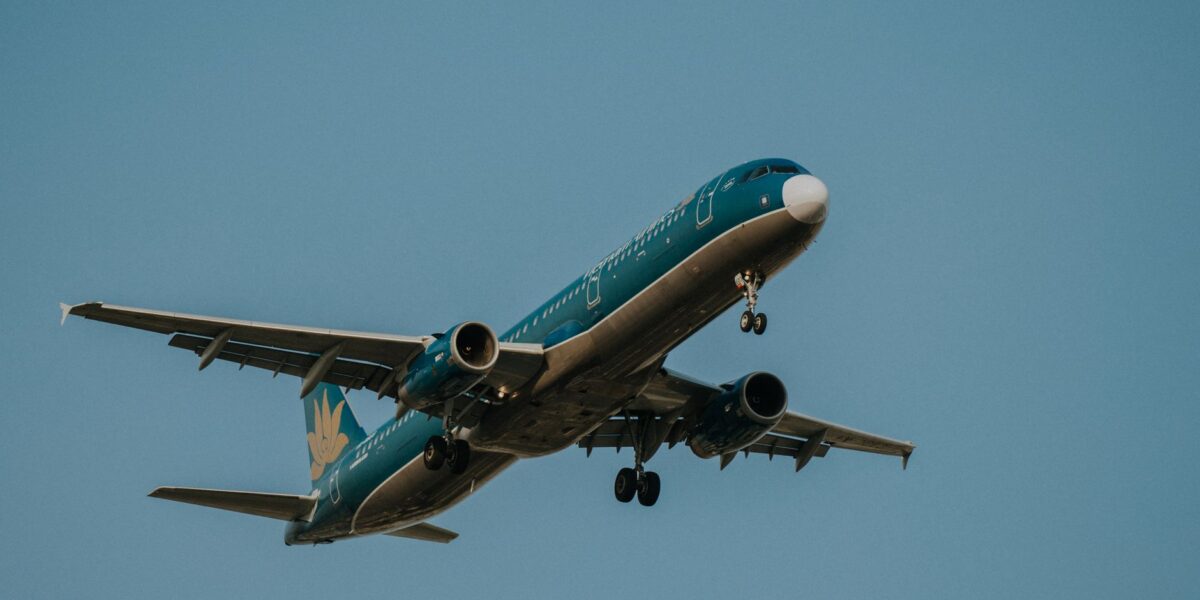
Palm Beach International Airport officially became President Donald J. Trump International Airport on Thursday, marking a symbolic victory for the 45th president and signaling an accelerating trend of naming public infrastructure after sitting or recent political figures. The renaming legislation, signed earlier this year by Florida Governor Ron DeSantis, represents one of the most high-profile airport rebranding efforts in recent American history — a move that extends Trump's growing footprint across U.S. public spaces while raising questions about the precedent being set for future administrations.
Trump Force One, the aircraft owned by The Trump Organisation, landed at the newly renamed facility as the first plane to touch down, underscoring the symbolic nature of the event. Eric Trump, the president's son and executive vice president of The Trump Organisation, expressed pride in the honor, describing it as recognition of his father's business acumen and leadership. The renaming ceremony drew media attention and was framed by Trump as "a very big day" — language that signals both personal significance and political messaging around infrastructure branding in America.
This is not primarily an American story anymore. It is a story about how democracies manage symbols, naming rights, and the thin line between tribute and the normalization of executive self-promotion.
What Happened
The renaming process began with legislation introduced in Florida's state legislature earlier in 2026. Governor Ron DeSantis signed the bill into law, clearing the path for the official transition from "Palm Beach International Airport" to "President Donald J. Trump International Airport." The airport, located in West Palm Beach, Florida, has served as a major transportation hub for the tri-county area for decades, handling roughly 8 million passengers annually pre-pandemic and maintaining that traffic level through 2026.
The renaming was not without administrative complexity. Airport authorities had to update signage, rebrand operational materials, modify official correspondence, and coordinate with federal aviation authorities to reflect the change across regulatory systems. The Federal Aviation Administration (FAA) had to approve the new name to ensure compliance with aviation safety and operational protocols. The process, while routine from a procedural standpoint, carried symbolic weight given the current political environment in the United States.
The choice of Palm Beach International specifically is not coincidental. Palm Beach County is home to Trump's Mar-a-Lago resort, his primary residence since leaving the White House. The airport serves the wealthiest enclave in Florida and functions as a key gateway for high-net-worth individuals and international travelers visiting the region. This proximity between the airport and Trump's personal base of operations creates both practical and perception-based implications that airport officials, business leaders, and political observers have quietly noted.
The broader context matters. This renaming is part of what multiple observers have described as an effort to place Trump's name on public infrastructure across America — a trend that extends beyond airports. Similar naming initiatives have been proposed or initiated in other states, though most have not advanced as far as the Florida airport case. The trend reflects a significant shift in how American political figures leverage public naming rights, moving beyond the historical norm of naming infrastructure after deceased figures or those with historical significance.
Why It Matters For Professionals
For business leaders and investors operating in Florida, the renaming carries implications beyond symbolism. Airport naming influences brand perception, business confidence, and investor sentiment. Companies making decisions about regional headquarters, logistics hubs, or office locations often consider local political stability and prevailing political sentiment. A major airport bearing a sitting president's name signals political alignment, which can either attract or repel certain business investments depending on the investor's political orientation and risk assessment.
Tourism and hospitality sectors in Palm Beach County are watching closely. The airport rebrand could affect international traveler perceptions, business conference attendance, and corporate retreat bookings. Some executives may view the Trump name as an asset reflecting business-friendly policies and pro-growth governance. Others may view it as a political liability that complicates their own brand positioning. Hotels, restaurants, and convention centers in the region are now calculating how this naming change affects their competitive positioning and customer demographics.
The precedent this sets for future political infrastructure naming cannot be overstated. If major airports become vehicles for personal branding by sitting presidents or recent political figures, the landscape of American public infrastructure naming fundamentally shifts. This has implications for how cities, states, and the federal government manage public assets and their symbolic dimensions. Real estate values, corporate location decisions, and business travel patterns can all be influenced by airport naming, making this far more than a ceremonial gesture.
For professionals in government affairs, public relations, and corporate communications, the Trump airport renaming presents a case study in how political change accelerates institutional naming decisions. Communications teams at other major airports are likely reviewing their own naming policies and considering whether similar initiatives might gain traction in their jurisdictions.
What This Means For You
If you are a business owner or investor with operations in South Florida, the airport renaming may influence your customer base, employee recruitment, and corporate brand alignment. The Trump International Airport designation could become a competitive advantage if your target market aligns politically with Trump's administration, or it could create friction if your brand positioning emphasizes political neutrality. Review your marketing materials and customer communication strategies to ensure consistency with your brand positioning.
For frequent business travelers using Palm Beach International, the primary impact is minimal operationally — the airport's actual services, routes, and functionality remain unchanged. However, international business partners unfamiliar with the renaming may experience brief confusion when booking flights or coordinating logistics. If you manage travel procurement for a company, consider updating your travel guidelines and supplier documentation to reflect the airport's new official name.
What Happens Next
Other states and municipalities are likely to evaluate similar naming initiatives over the coming months. Democratic-controlled states may consider counter-initiatives or alternative naming strategies for their own infrastructure, potentially sparking a broader trend of political infrastructure branding across America. Federal oversight of airport naming conventions may also come under review, particularly if the trend accelerates beyond Florida.
The Trump administration is expected to continue exploring naming opportunities for federal and state-managed infrastructure. Congressional Democrats have begun raising concerns about the precedent, though their ability to block state-level naming decisions is limited. Expect this to become a point of political contention and media discussion as other airports or major infrastructure projects consider similar rebranding.
In the near term, watch for how business confidence in South Florida responds to the renaming and whether other major corporations announce expansion plans in the region or, conversely, shift investment to politically neutral jurisdictions. This will provide a practical measure of whether the naming change functions as a business asset or a complication.
3 Frequently Asked Questions
Does renaming the airport change its actual operations, routes, or services?
No. The renaming is purely administrative and symbolic. All flight routes, airlines, security protocols, and ground operations remain unchanged. Passengers will see the new name on signage and official materials, but their travel experience — from booking to arrival — functions identically to before the renaming.
Why was Palm Beach International specifically chosen for this renaming?
The airport's proximity to Mar-a-Lago, Trump's primary residence, made it symbolically significant. Palm Beach County is also a key economic and political base for Trump's support network, and the airport serves as a major hub for business aviation and high-net-worth travelers — demographics that align with Trump's political base. The location made the renaming both politically meaningful and practically coherent.
Could other airports be renamed after Trump or other sitting presidents?
Potentially. The Florida renaming sets a precedent that could encourage similar initiatives in other states with Trump-aligned legislatures. However, airport naming at the federal level (FAA-controlled airports) faces higher procedural barriers, and Democratic-controlled states are unlikely to pursue similar rebranding for Trump or other Republican figures. Expect naming initiatives to remain primarily state-level decisions.
Why is no one talking about what this actually tests — the flexibility of American democratic institutions around symbols and public assets? The Trump airport renaming is not primarily about a building or a runway. It is about how quickly political majorities can reshape public infrastructure branding when they control state levers of power. In a decade, we may find that the names on America’s airports, highways, and federal buildings rotate far more frequently and directly in response to electoral cycles than they historically did. That shifts something fundamental about institutional stability. If you are building a business or career in infrastructure, real estate, or public affairs, recognize that the rules around public naming are now openly political in a way they were not before. Treat naming rights as a negotiated, changing asset — not a stable one.
