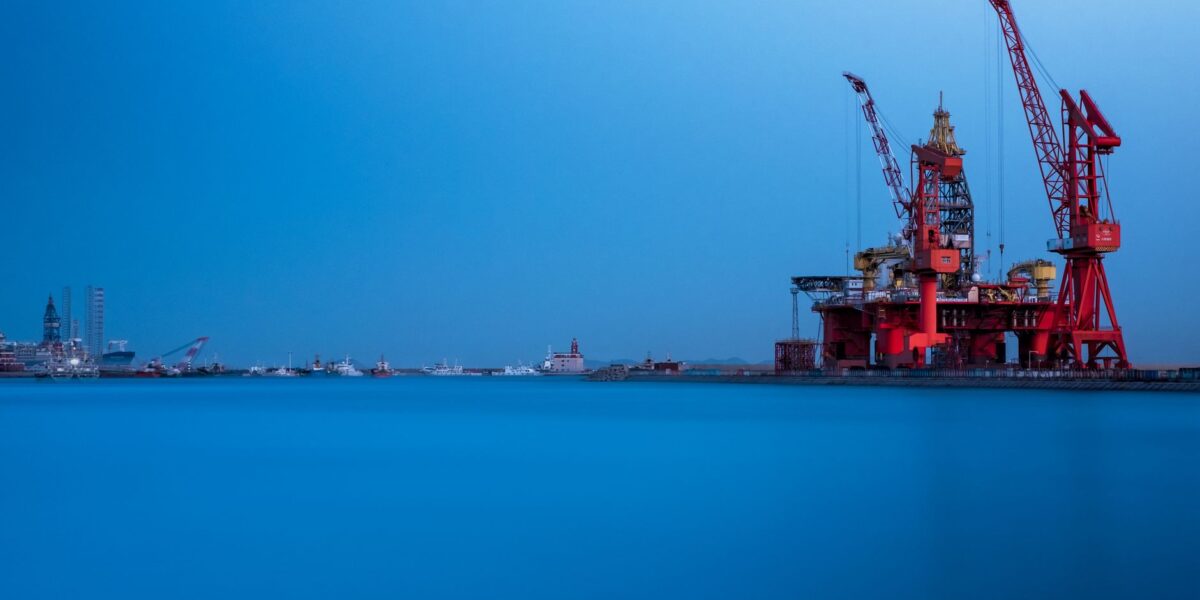
Iran has announced it is in the final stages of reaching an agreement with Oman over the strategic Strait of Hormuz, one of the world's most critical chokepoints for global energy supplies. The claim, made through Iranian officials, comes at a time of heightened regional tensions, though neither the United States nor Oman have publicly commented on the proposed arrangement. The silence from Washington and Muscat is itself a telling signal — one that suggests either ongoing diplomatic backchannels or deliberate ambiguity being maintained by all parties.
The Strait of Hormuz remains the world's most important oil transit route, with approximately 21 million barrels of crude oil passing through its waters daily, representing roughly 20 percent of global petroleum consumption. Any disruption to this passage — whether through direct military action, shipping restrictions, or negotiated agreements that alter transit dynamics — carries immediate implications for global energy prices, supply chains, and by extension, inflation trajectories across developed and emerging economies. Iran's assertion that it is negotiating terms with Oman on this vital waterway signals a shift in how Tehran may seek to assert influence over regional commerce without triggering direct military confrontation.
For India, which imports approximately 80 percent of its crude oil requirements and sources a significant portion from the Middle East, developments in the Strait of Hormuz directly impact domestic fuel prices, inflation, and the Reserve Bank of India's monetary policy options. Any agreement between Iran and Oman that affects transit terms, tolls, or security arrangements could alter the cost calculus for Indian refineries and ultimately influence petrol and diesel prices at Indian pumps.
What Happened
Iran's announcement regarding its negotiations with Oman surfaced through official channels this week, with Tehran claiming the agreement is approaching finalization. The specifics of what Iran claims to be negotiating remain unclear — whether the deal concerns transit fees, security guarantees, port access, or broader geopolitical arrangements is not detailed in Iran's public statements. This vagueness is typical of preliminary diplomatic announcements in the Middle East, where opaqueness often serves tactical purposes for all sides involved.
The Strait of Hormuz, located between Iran and Oman, is approximately 21 miles wide at its narrowest point. The strategic geography means that Iran has long held implicit leverage over global energy markets, a fact Tehran has periodically threatened to weaponize during moments of international tension. Past Iranian threats to close or restrict the strait have sent oil markets into sharp corrections. In April 2024, for instance, Iranian drone strikes on Israel prompted immediate oil price spikes as traders priced in closure risk. This time, the framing differs — Iran is positioning itself as a negotiating partner with Oman rather than an aggressor, a rhetorical shift that may reflect either genuine diplomatic intent or sophisticated messaging strategy.
Oman's role as a potential intermediary or co-signatory in any arrangement carries significance. The sultanate has historically maintained relatively balanced relations with both Iran and Western powers, positioning itself as a neutral broker in regional disputes. Oman brokered the prisoner exchange between the US and Iran in 2022, demonstrating its capacity to facilitate high-level diplomatic engagements. That an agreement might involve Oman suggests either formalization of existing maritime understandings or a newly negotiated framework that both Tehran and Muscat believe serves their interests.
The complete absence of comment from the United States is noteworthy. A deal involving the Strait of Hormuz that proceeds without US knowledge or input would be unusual, yet Washington has maintained silence. This could indicate either that the US is aware of negotiations and tacitly permitting them to proceed, or that American officials are deliberately avoiding public statements to allow diplomatic space. Either interpretation suggests that current geopolitical dynamics differ from the confrontational posture that characterized 2019-2021, when US-Iran tensions peaked under the Trump administration's "maximum pressure" campaign.
Why It Matters For Professionals
For commodity traders and energy investors, this development introduces a new variable into Hormuz risk premium calculations. Oil markets typically embed a "geopolitical risk premium" into crude prices — additional per-barrel cost that reflects the probability of supply disruption through conflict or chokepoint closure. Iran's negotiating posture, if genuine, could theoretically reduce this premium by lowering perceived closure risk. Conversely, if the agreement includes arrangements that strengthen Iran's ability to monitor or control shipping (even nominally), traders may price in increased vulnerability.
For equities investors with exposure to energy companies or refineries, the implications are more nuanced. Indian refiners like Reliance Industries, Hindustan Petroleum, and Indian Oil Corporation all source crude from Middle Eastern producers and transport it through the Strait. An agreement that stabilizes transit arrangements would reduce hedging costs and improve refinery margins. An arrangement that increases fees, monitoring, or regulatory burden could compress margins. The direction of the impact depends entirely on the agreement's terms, which remain undisclosed.
For professionals in sectors downstream of energy — automotive, aviation, logistics, chemical manufacturing — the potential for oil price volatility in coming months demands attention. If negotiations proceed smoothly and an agreement is formalized, oil markets may experience a relief rally as geopolitical risk premium declines, potentially pushing crude prices lower. Conversely, if negotiations break down or if the US objects to terms it deems unfavorable, volatility could spike sharply. Historical precedent suggests that Hormuz-related uncertainty tends to produce 5-15 percent swings in crude prices within days.
Portfolio managers should monitor this story closely because it directly affects real asset valuations, inflation expectations, and central bank policy trajectories. The RBI's ability to maintain its current inflation-targeting framework depends partly on global energy price stability. If the Iran-Oman agreement de-risks the Strait and pushes crude lower, it provides the RBI more flexibility to maintain accommodative rates. If it increases perceived risks, the opposite occurs.
What This Means For You
If you hold energy sector stocks — either crude producers like ONGC or refining-focused companies like IOC and HPCL — this development should prompt you to clarify what your holdings' price assumptions already embed regarding Hormuz risk. If your holdings are priced assuming elevated disruption risk and an agreement materializes, you may see downside as the risk premium unwinds. Conversely, if markets have already priced in normalization, further agreements may offer limited upside.
For professionals with exposure to global equity markets or forex positioning, note that sustained oil price declines typically benefit emerging market currencies by improving current account balances and reducing external vulnerability. The rupee could strengthen if crude prices fall meaningfully following a formalized Iran-Oman agreement. Monitor both the news flow on this negotiation and crude price movements together — they will likely correlate in coming weeks.
What Happens Next
The immediate question is whether Iran and Oman will publicly announce a finalized agreement. If they do so, the announcement will likely come with minimal detail, consistent with how previous Middle Eastern security arrangements have been disclosed. Watch for official statements from Oman's Foreign Ministry or Iran's Foreign Affairs Ministry that characterize the nature of the deal.
The second critical development to monitor is US response. If Washington permits the agreement to proceed without objection, it signals tacit acceptance of Iranian involvement in Hormuz governance arrangements. If the US issues statements expressing concern or demands modifications, it would indicate ongoing friction and potentially stall finalization. The timeline for this remains unclear — Iran's use of "final stages" suggests weeks rather than months, but such timelines often slip in diplomatic processes.
Beyond formal announcements, observe shipping insurance premiums through the Strait and crude oil futures volatility indices. These market-based measures will reveal whether traders believe the agreement reduces or increases Hormuz risks, independent of what officials claim about the deal's intent.
3 Frequently Asked Questions
What exactly is Iran proposing with Oman regarding the Strait of Hormuz?
The specific terms remain undisclosed. Iran has stated negotiations are in "final stages" but has not detailed whether the agreement concerns transit fees, security arrangements, joint governance, or other frameworks. The absence of detail is common in early-stage diplomatic announcements, and fuller clarity will only emerge if and when a formal agreement is announced. Until then, only broad inference is possible based on Iran's historical positions.
How would an Iran-Oman agreement affect global oil prices?
The impact depends entirely on the agreement's terms. If it formalizes existing transit arrangements without changing them, the effect may be neutral or slightly positive (reducing uncertainty premium). If it grants Iran enhanced monitoring or control capabilities, traders might price in increased disruption risk, supporting higher crude prices. If it formalizes Iran's recognition as a legitimate stakeholder in Strait governance with Western implicit acceptance, it could reduce geopolitical risk premium and support lower prices. All three scenarios remain possible.
Why hasn't the US commented on these negotiations?
Silence can reflect either awareness and tacit acceptance of diplomatic processes, or a deliberate choice to avoid inflammatory rhetoric. The Trump administration's "maximum pressure" campaign would have opposed Iranian involvement in Strait governance arrangements, but the current US administration may view engagement differently. Alternatively, the US may not yet view the negotiations as sufficiently advanced to warrant public comment.
Why is no one asking whether Iran’s willingness to negotiate through Oman signals that Tehran’s leverage over the Strait has actually diminished? Three years ago, Iran threatened closure; now it’s seeking formal agreements with neighbors. That is not confidence — that is accommodation with constraints. The real story here is not that Iran is securing influence, but that geopolitical costs of using the Strait as a weapon have become too high even for Tehran. If you have any long-duration energy hedges priced assuming Hormuz closure risk remains elevated, consider taking profits when crude rallies on this news. Second, monitor whether the US objects to this deal publicly — silence beyond 72 hours suggests acceptance, which would be a material shift in US Middle East policy. Third, for Indian refineries and fuel retailers, use any weakness in crude prices over the next 30 days to lock in forward hedges; deals like these rarely hold perfectly, and turbulence often returns.
