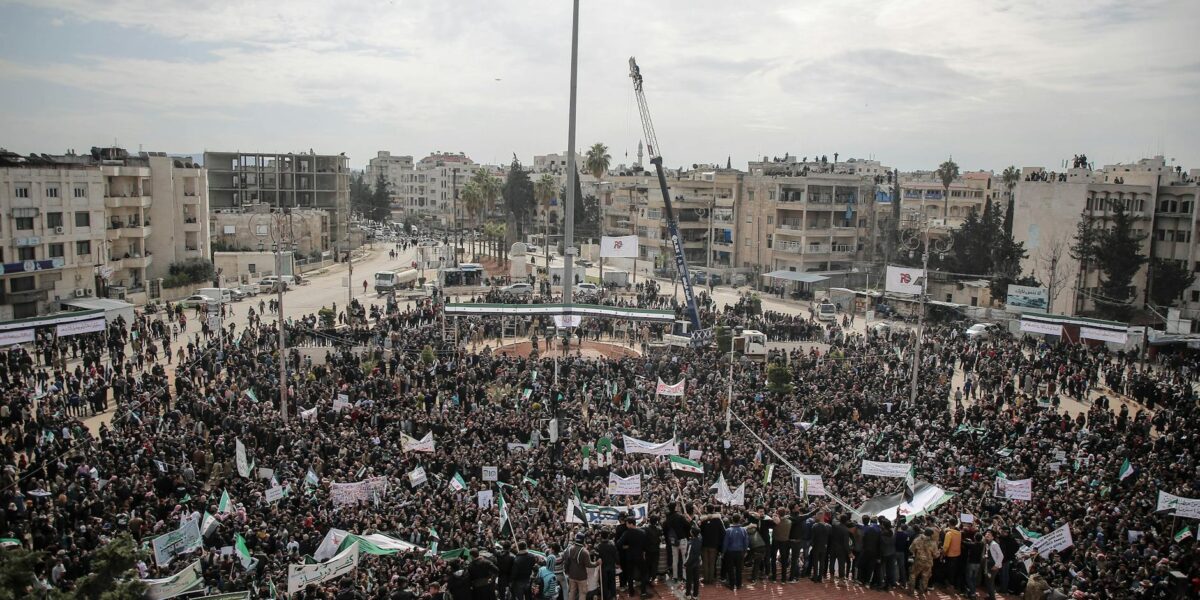
Israeli airstrikes damaged a major hospital in the Lebanese coastal city of Tyre on Saturday, marking a sharp escalation in hostilities despite a fragile truce that was supposed to hold between the two nations. The strikes came as funeral processions were held for paramedics killed in attacks just a day earlier, underscoring the deteriorating security situation along Lebanon's southern corridor and raising fresh questions about the viability of any negotiated ceasefire in the region.
The hospital attack in Tyre, a city of approximately 200,000 residents located roughly 80 kilometres south of Beirut, represents a concerning breach of international humanitarian norms that typically protect medical facilities during armed conflict. Lebanese authorities reported significant structural damage to the facility, though casualty figures from Saturday's strike were not immediately available. The timing of the assault, coinciding with funerals for emergency medical personnel, has intensified diplomatic pressure on Israel from European and Arab nations seeking to preserve what remains of the ceasefire framework established earlier this year.
What Happened
Saturday's assault on the hospital in Tyre follows a pattern of intensifying military action along the Israel-Lebanon border that has persisted despite multiple attempts at establishing lasting ceasefires. The strikes targeted what Israeli military sources have historically claimed are facilities with connections to Hezbollah operations, though no official justification for the hospital attack has been provided as of this report. The destruction of critical medical infrastructure comes at a particularly vulnerable moment, as Lebanon continues to grapple with an economic crisis that has left many public institutions severely under-resourced.
The funerals held on Saturday were for paramedics killed in Friday's attacks, which targeted ambulances and emergency responders in southern Lebanon. These attacks on medical personnel represent a troubling escalation that humanitarian organisations have condemned as potential violations of the Geneva Conventions, which explicitly protect medical workers and facilities during wartime. The Lebanese Health Ministry has documented dozens of attacks on healthcare infrastructure since tensions reignited, creating a climate of fear among medical professionals who are increasingly reluctant to operate in conflict zones.
The so-called "fragile truce" that was negotiated earlier this year appears to be collapsing in real time. The ceasefire agreement, brokered with involvement from French and American mediators, had established buffer zones and protocols meant to prevent exactly this type of escalation. However, enforcement mechanisms were never robustly defined, leaving the agreement vulnerable to unilateral violations. Cross-border incidents have been steadily increasing over the past month, with both sides accusing the other of initiating provocations.
Why It Matters For Professionals
For investors and business leaders tracking geopolitical risk, the deterioration of the Israel-Lebanon ceasefire carries significant implications that extend well beyond the immediate conflict zone. The eastern Mediterranean region remains a critical transit corridor for global commerce, with approximately fifteen percent of containerised goods moving through regional ports. Any sustained military campaign that disrupts Lebanese ports or threatens Israeli shipping facilities in Haifa could create supply chain bottlenecks affecting European and Asian markets.
Energy markets, while not immediately impacted by this specific escalation, remain sensitive to broader regional instability. Lebanon itself is not an energy producer of consequence, but the country sits adjacent to newly discovered natural gas fields in the eastern Mediterranean that have become focal points for territorial disputes. Israel has developed significant offshore gas extraction capabilities in recent years, while Lebanon has struggled to capitalise on its own maritime resources due to political dysfunction and disputed maritime boundaries. Any widening of the current conflict could jeopardise energy infrastructure investments valued in the tens of billions of dollars.
Financial professionals should also note the potential for refugee flows to intensify if the conflict expands. Lebanon already hosts over one million Syrian refugees from the previous decade's civil war, straining public services and infrastructure. A new wave of internal displacement within Lebanon could destabilise the country's already precarious political balance, potentially triggering financial contagion effects across the Levant. Lebanese sovereign debt, already trading at deeply distressed levels, would face further downward pressure, affecting portfolios with exposure to emerging market fixed income.
What This Means For You
If you hold positions in European or Middle Eastern equity markets, consider reviewing your exposure to companies dependent on stable Mediterranean shipping routes. While immediate disruptions are not occurring, prudent risk management suggests monitoring developments closely. Defence contractors and cybersecurity firms with regional operations may see increased demand, though ethical considerations should factor into investment decisions regarding companies profiting from conflict escalation.
For professionals in humanitarian sectors, development finance, or international organisations, this escalation highlights the persistent challenge of operating in conflict zones where ceasefire agreements lack robust enforcement mechanisms. The targeting of medical infrastructure specifically undermines the principle of humanitarian neutrality that enables NGOs and multilateral agencies to function effectively. Those planning projects or deployments in Lebanon should conduct fresh security assessments and ensure appropriate insurance coverage and evacuation protocols are current.
What Happens Next
The immediate trajectory depends heavily on whether diplomatic channels can produce a renewed commitment to ceasefire terms. French President's office has reportedly been in contact with both Israeli and Lebanese officials, attempting to establish conditions for de-escalation. The United Nations Interim Force in Lebanon, or UNIFIL, which maintains a peacekeeping presence along the border, has limited capacity to prevent hostilities but may play a role in monitoring any new agreement. The force's effectiveness has been questioned repeatedly, as it lacks the mandate and resources to enforce compliance from either side.
Within the next two to three weeks, we should expect clearer indications of whether this represents a temporary spike in violence or the beginning of a sustained military campaign. Historical patterns suggest that Israeli military operations in Lebanon tend to follow one of two paths: short, intensive strikes meant to degrade specific capabilities, or broader campaigns aimed at creating buffer zones. The targeting of civilian infrastructure like hospitals could signal a shift toward the latter, more aggressive approach, though definitive conclusions require additional evidence about operational scope and objectives.
Regional powers including Egypt, Jordan, and Gulf states have an interest in preventing escalation that could destabilise an already volatile neighbourhood. However, their influence over Israeli military decision-making is limited, particularly given current Israeli government composition. The United States remains the only external actor with significant leverage, but American diplomatic bandwidth has been constrained by competing priorities in Asia and ongoing domestic political transitions.
3 Frequently Asked Questions
How does the collapse of the Israel-Lebanon ceasefire affect global energy prices?
While Lebanon itself is not an energy producer, regional instability in the eastern Mediterranean affects investor confidence and risk premiums. If conflict expands to threaten offshore gas infrastructure or major shipping lanes, energy markets could experience volatility. Currently, the impact remains limited to regional risk assessments rather than immediate supply disruptions.
What protections exist under international law for hospitals during armed conflict?
The Geneva Conventions and their Additional Protocols explicitly prohibit attacks on medical facilities, personnel, and transport, provided they are being used exclusively for humanitarian purposes. Hospitals lose protection only if used for military purposes beyond humanitarian care. Even then, warnings must be issued and proportionality maintained. Violations can constitute war crimes under the Rome Statute.
Could this escalation trigger broader regional conflict involving other countries?
The risk exists but remains contained for now. Hezbollah's capacity to expand operations depends partly on Iranian support and Syrian transit routes, both complicated by their own challenges. Gulf states have no appetite for involvement, and Egypt maintains peace treaty obligations with Israel. The most likely scenario involves continued localised violence rather than multi-state warfare, though miscalculation risks always exist in heated conflicts.
This is not a ceasefire story. This is a credibility story about what happens when enforcement mechanisms do not exist.
Every “fragile truce” without verification protocols and consequences for violations becomes a tactical pause, not peace. Investors and professionals operating in or exposed to the Middle East need to stop treating these agreements as meaningful risk mitigants. They are not. They are temporary arrangements that collapse the moment one party calculates advantage in breaking them.
If you have portfolio exposure to Lebanese sovereign debt or companies dependent on Beirut port operations, reassess that exposure now. The economic situation was already dire before this weekend’s events. If you are evaluating projects or partnerships requiring stable operations in southern Lebanon, build in conflict disruption scenarios with at least thirty percent probability over the next six months. That is not pessimism—that is pattern recognition based on fifteen years of cyclical escalation.
The targeting of medical infrastructure specifically should concern anyone involved in humanitarian operations or development finance in conflict zones globally. When hospitals become acceptable targets, the entire framework of humanitarian access collapses. That has implications far beyond Lebanon—it sets precedents that undermine protective principles humanitarian workers rely on everywhere from Yemen to Ukraine. Precedents matter, and this one is dangerous.

[…] nuclear containment could destabilise regional security dynamics and trigger countermeasures from Israel or Gulf Arab […]