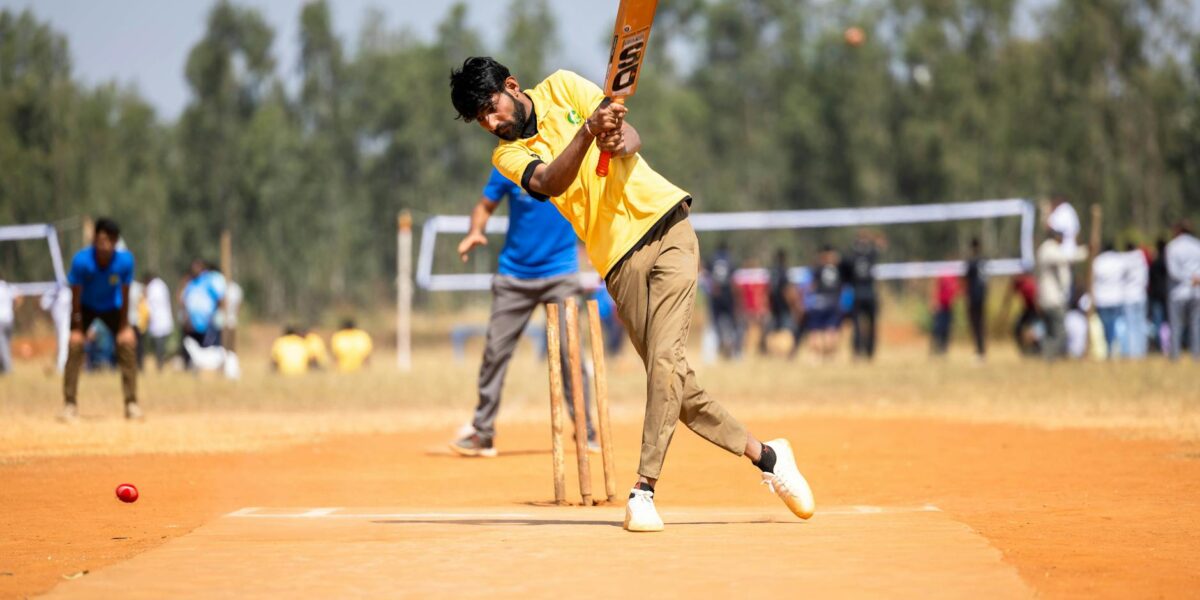
Vaibhav Sooryavanshi, at just 14 years old, has become the youngest player in IPL history to earn a contract, and the teenage batting sensation is already displaying the composure of a seasoned professional. At a recent Rajasthan Royals team event, Sooryavanshi humorously deflected questions about his personal run targets for IPL 2026, stating "2-3 hazaar run" with a grin before emphasising his focus on team processes and winning trophies.
The Bihar-born cricketer's response came days after India's U-19 team clinched the World Cup, where Sooryavanshi played a crucial role in the tournament. His witty handling of media queries at such a young age has impressed cricket analysts and fans alike, suggesting a mental fortitude that extends well beyond his years. Rajasthan Royals acquired him during the IPL mega auction for a substantial sum, making him the youngest player ever to be drafted into the cash-rich league.
Sooryavanshi's emergence represents a broader shift in Indian cricket's talent identification and nurturing ecosystem. His journey from Bihar's domestic circuit to the U-19 World Cup stage and now to the IPL exemplifies how cricket infrastructure has deepened across tier-2 and tier-3 cities in India, moving beyond traditional metro-centric talent pools.
What Happened
At the Rajasthan Royals pre-season gathering in Jaipur, Sooryavanshi faced the inevitable question about his run-scoring ambitions for the upcoming IPL season. Rather than providing a conservative estimate or an overly ambitious target, the teenager quipped about scoring "2-3 hazaar run" (2,000-3,000 runs), drawing laughter from teammates and coaching staff present. He quickly clarified that individual milestones were secondary to the team's collective goals.
The young batsman emphasised that his primary focus would be following the team's established processes and contributing to winning the IPL trophy, which has eluded Rajasthan Royals since their inaugural season victory in 2008. His comments reflected coaching inputs from both the U-19 setup and his new IPL franchise, where modern cricket philosophy prioritises team outcomes over personal statistics.
Sooryavanshi's recent U-19 World Cup triumph has given him invaluable exposure to high-pressure situations. While specific performance statistics from the tournament were not disclosed at the event, his selection and retention in the playing eleven throughout crucial matches speaks to his consistency and temperament. The Rajasthan Royals management has indicated they view him as a long-term investment rather than expecting immediate returns in IPL 2026.
Why India Should Care
The rise of teenage cricketers like Sooryavanshi has significant implications for India's sports economy and youth employment landscape. The IPL's ability to identify and financially reward young talent creates aspirational career pathways beyond traditional professional routes. With cricket academies proliferating across smaller cities, the sport has become a legitimate economic opportunity for families investing in their children's athletic development.
Bihar, historically underrepresented in Indian cricket's top echelons, now has a poster boy who could inspire thousands of young cricketers in the state. This geographic diversification of cricketing talent strengthens India's competitive depth while creating local heroes who can drive grassroots participation. The economic multiplier effect includes increased academy enrollments, sports equipment sales, and infrastructure development in regions previously overlooked.
For India's broader sporting culture, Sooryavanshi's maturity in handling media attention and pressure situations offers a template for youth development programs. His ability to balance ambition with team-first messaging, even at 14, suggests improved mentorship structures within Indian cricket's developmental pathways. This psychological preparation could prove as valuable as technical skills in producing athletes capable of handling the intense scrutiny that accompanies professional sports in India.
What This Means For You
For parents and young cricket aspirants, Sooryavanshi's trajectory demonstrates that age is no barrier to professional opportunities if talent and temperament align. However, his emphasis on process over outcomes provides a crucial lesson: sustainable success requires focusing on controllable factors rather than fixating on statistical achievements. Families investing in sports training should prioritise holistic development over narrow outcome-based metrics.
Cricket enthusiasts and IPL followers should temper expectations for immediate impact from the teenage prodigy. Rajasthan Royals' management approach suggests they will provide him graduated exposure rather than thrust him into high-pressure situations prematurely. Fans should appreciate developmental progress rather than demanding immediate match-winning performances from someone who only recently completed his U-19 commitments.
What Happens Next
IPL 2026 begins in late March, and Rajasthan Royals will likely introduce Sooryavanshi carefully through the tournament. Watch for his potential deployment in less critical league matches initially, allowing him to acclimate to the IPL's intensity before high-stakes encounters. His performances in the tournament's opening weeks will determine how quickly the franchise expands his role.
Beyond the immediate IPL season, Sooryavanshi's progress will be closely monitored by national selectors as India continues building depth across formats. While international selection remains years away, consistent IPL performances could fast-track his entry into India A tours and domestic competitions. His ability to handle the transition from age-group cricket to professional leagues will serve as a case study for Indian cricket's talent development framework moving forward.
