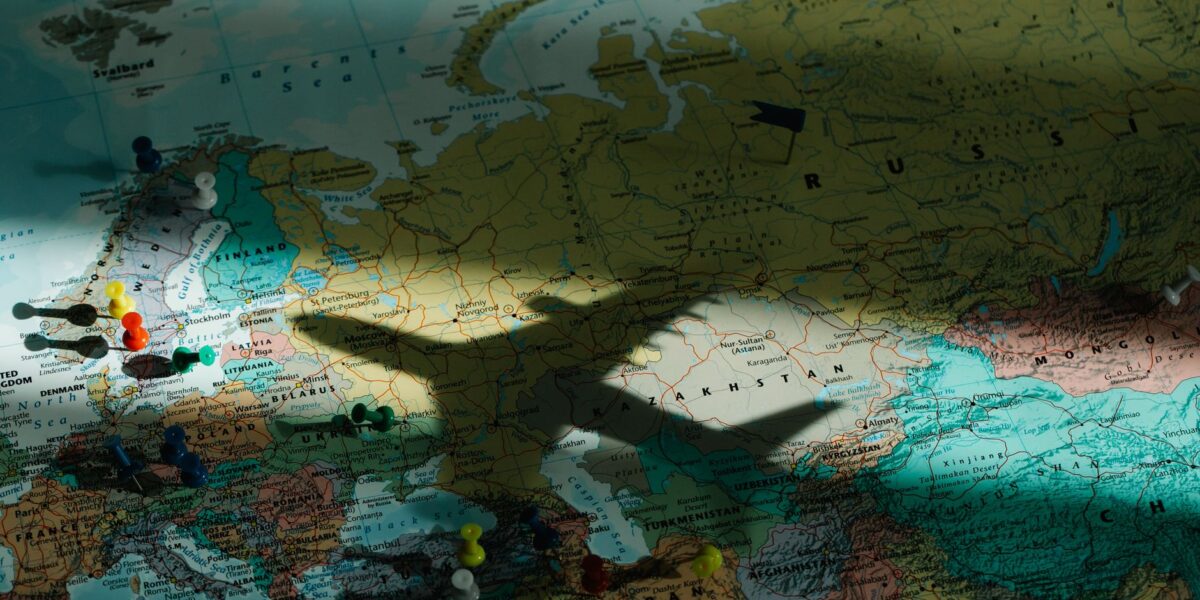
Spain and France are battling what authorities are describing as a catastrophic wildfire season, with more than 160,000 people evacuated across both nations as flames consume vast stretches of territory. Madrid officials have declared the current situation the "worst fire in the history of the region," while French firefighters simultaneously combat a separate blaze advancing toward Bordeaux. The dual crisis has strained emergency services, destroyed critical infrastructure, and raised urgent questions about disaster preparedness in Southern Europe.
The fires have spread across multiple regions, with Spain's Madrid area experiencing the most severe outbreak. French authorities reported parallel containment challenges as winds pushed flames toward the Bordeaux wine region, one of Europe's economically vital agricultural zones. Evacuation orders affected rural communities, towns, and suburbs as visibility dropped to critical levels and air quality indexes spiked across both countries. Emergency services from Portugal have joined the response, marking a rare tri-national coordination effort.
The environmental and economic fallout extends beyond immediate casualties and displacement. Water resources have become scarce for both firefighting and civilian use. Power infrastructure has been damaged in multiple locations, affecting hospitals, emergency services, and critical facilities. Insurance companies are bracing for claims that could exceed historical precedent for regional fire damage in Western Europe.
What Happened
The Madrid wildfires began in early July 2026 and escalated rapidly due to a combination of factors: record-breaking temperatures exceeding 42°C, sustained low humidity, and winds gusting above 40 kilometers per hour. The fire spread across the region's dry pine forests and grasslands, consuming approximately 50,000 hectares within the first three weeks. Regional authorities initially underestimated the fire's speed and intensity, leading to delayed evacuation orders that complicated the process once conditions deteriorated.
By mid-July, the Madrid regional government declared a level-3 emergency—the highest alert status in Spain's emergency response system. Firefighting resources became stretched across multiple fronts as secondary fires emerged in adjacent provinces. The situation worsened when a pyrocumulus cloud formation—a phenomenon where fire-generated heat creates its own weather system—triggered unpredictable wind patterns, sending flames in unexpected directions. This meteorological event is typically associated with industrial-scale fires in Australia or North America, making its occurrence in Spain historically significant.
Parallel to Madrid's crisis, French firefighters faced their own battle in the Gironde department. The Bordeaux-region fire threatened not just forests but also infrastructure networks, including electrical transmission lines and telecommunications hubs. The wine industry faced threats to harvest seasons and storage facilities. French civil protection mobilized 2,000 firefighters, water-bombing aircraft, and ground crews. Unlike Madrid's more chaotic evacuation process, French authorities implemented structured phased evacuations based on fire progression models, though this offered limited comfort to residents losing homes and livelihoods.
Regional coordination between Spanish and French authorities proved inadequate initially. Border protocols for emergency response had not been updated in over a decade, delaying cross-border assistance and creating communication gaps. Portuguese firefighting units, however, mobilized quickly and provided support by the second week, arriving with equipment and expertise in Mediterranean-climate fire management. By late July, international assistance had become coordinated through EU emergency protocols, though critics questioned why pre-established frameworks were not activated sooner.
Why It Matters For Professionals
For investors and business leaders monitoring Southern European stability, these fires signal emerging climate risks that traditional risk models may have underestimated. Insurance companies face immediate capital stress as claims accumulate. Reinsurers—firms that insure insurance companies—are pricing in elevated claims for 2026 and potentially revising climate-risk models for 2027 onwards. This will increase premiums across commercial property, liability, and agricultural insurance products across the EU.
The crisis also reveals infrastructure vulnerabilities in energy and telecommunications networks. Power grid operators across Spain and France are now conducting reviews of their transmission line vulnerability to wildfire damage. Data center operators, particularly those with facilities in southern regions, are reconsidering their physical resilience and backup power systems. Tech companies with supply chain dependencies in affected areas face delays and logistical complications that could ripple through Q3 earnings reports.
For professionals in disaster management, urban planning, and emergency services, the Madrid fire represents a case study in coordination failure. Insurance brokers specializing in catastrophe risk are already seeing demand spike for advice on climate-related risk mitigation. Consultancies focused on business continuity and resilience planning are fielding urgent client requests. This creates a secondary professional opportunity: demand for specialized expertise in climate adaptation and emergency protocol redesign will likely accelerate through 2026 and beyond.
Agricultural businesses face direct losses. Vineyard operators in Bordeaux are assessing damage to infrastructure and calculating impacts on the 2026 harvest. Forest products companies in both nations are experiencing operational disruptions. This has implications for timber prices, cork production (a significant Portuguese export), and food security planning across the EU.
What This Means For You
If you hold European dividend stocks, particularly in utilities, insurance, or reinsurance sectors, monitor earnings guidance closely over the next 60 days. Companies will revise forward guidance as they quantify losses and adjust cost projections. Insurance sector stocks may see short-term weakness as markets price in claims costs, but long-term opportunities may emerge in companies specializing in climate resilience and disaster recovery services.
If you live in or have property in southern Europe, prioritize reviewing your insurance coverage. Wildfire exclusions, deductibles, and coverage limits are often overlooked in policies written during calm years. Speak with your broker about whether your homeowner or property insurance covers fire damage, and whether additional riders are needed. For renters and business operators in affected regions, document all assets with photographs and valuations—insurers will require this for claims processing.
Professionals in technology, logistics, and supply chain roles should assess whether your organization has dependencies on facilities or suppliers in affected regions. If so, request risk assessments from your operations team and propose alternative sourcing or distributed operations models to your leadership. Companies that can demonstrate supply chain resilience will be more attractive to clients in 2026-2027.
What Happens Next
Spanish and French authorities will likely announce comprehensive post-fire reviews within 30 days. These will examine evacuation protocols, firefighting resource allocation, inter-agency communication, and international coordination mechanisms. The EU will probably initiate a formal inquiry into disaster preparedness frameworks across member states, with implications for funding and regulatory requirements.
Insurance markets will stabilize once initial loss estimates become clearer, expected by early August 2026. The real impacts will emerge over the following months as reconstruction begins and businesses file claims. Urban planning discussions in affected areas will shift toward green infrastructure investment, fire-resistant development standards, and evacuation route redesign. This represents a multi-year cycle of regulatory change and infrastructure investment that will create opportunities for construction, engineering, and consulting firms.
3 Frequently Asked Questions
How do wildfire losses affect European insurance costs across the continent?
A: Insurance companies will adjust their climate risk models based on actual losses from these fires. This typically increases premiums for property, liability, and agricultural coverage in Europe by 5-15% over the following 12-18 months. Reinsurers will demand higher rates, which cascade down to retail insurance products. Even regions not directly affected may see premium increases as insurance firms apply broader climate risk factors across their European portfolios.
What is a pyrocumulus cloud and why does it matter?
A: A pyrocumulus cloud forms when a fire generates enough heat to create its own weather system, with hot air rising and creating updrafts that trigger localized wind patterns. These clouds can redirect flames unpredictably, making containment exponentially harder. Their occurrence in Spain is rare and suggests fire intensity exceeded normal Mediterranean patterns, complicating firefighting strategy and accelerating spread.
How will this affect the Bordeaux wine industry?
A: The immediate threat is to current harvest-year operations, storage facilities, and production infrastructure. If vineyards or processing facilities are damaged, 2026 harvest yields could decline. Secondary effects include potential price increases for Bordeaux wines in 2027-2028 as supply tightens. Long-term impacts depend on whether terroir—soil and environmental conditions—is permanently altered by fire damage, which could affect wine quality and value for years.
**Why is no one talking about the infrastructure investment opportunity buried in this disaster?** These fires expose a critical weakness: Southern Europe’s energy and telecommunications networks were designed in an era when wildfire severity was predictable. They are not. Governments will now mandate network hardening, underground transmission lines in high-risk zones, and redundancy systems. This is a multi-billion-euro infrastructure cycle that will unfold over 3-5 years. If you work in construction, engineering, or technology infrastructure, your services are about to become essential. Push your leadership to bid for these projects now, before competition intensifies. Second, if you manage a business in southern Europe with physical assets, stop waiting for government support—it will be minimal. Hire a climate risk consultant this month and model your actual exposure. Third, insurance brokers and climate adaptation consultants should accelerate their hiring in July and August 2026. Demand will spike in September when businesses realize they are underinsured and unprepared.
