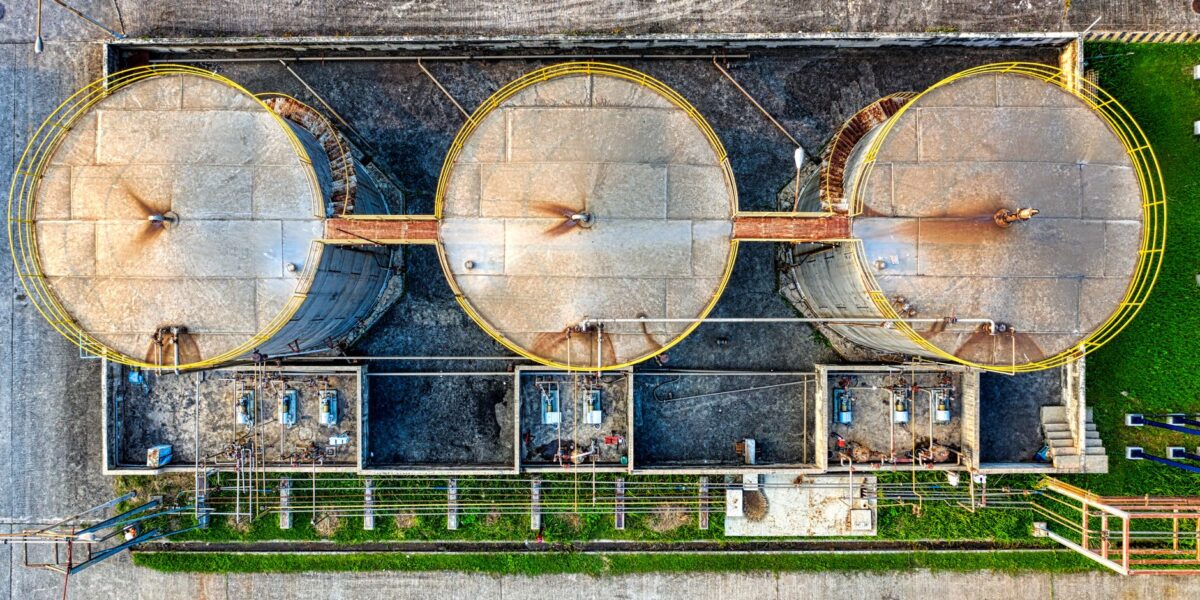
Asian stock markets have reached record highs this week, powered by a confluence of factors that have rekindled investor optimism after months of volatility. The reopening of the Strait of Hormuz—one of the world's most critical energy chokepoints—has reassured markets that global oil supply will normalize, easing the inflation pressures that have haunted central banks and households alike. Meanwhile, positive developments in the semiconductor sector have added fuel to the rally, signaling renewed confidence in technology stocks and the digital economy's trajectory.
The surge comes at a pivotal moment for global markets. Oil prices, which have historically moved inversely to stock valuations during inflationary cycles, are now heading for weekly losses—a stark reversal from the panic-driven rallies that characterized earlier quarters. This shift suggests investors are recalibrating their expectations around energy costs, interest rate trajectories, and the likelihood of sustained economic growth without the stagflation overhang that dominated 2024 and early 2025.
For professionals managing portfolios, trading desks, or corporate treasury operations, this development carries immediate and strategic implications. The normalization of energy markets could reshape sector rotations, alter currency dynamics in emerging markets, and fundamentally change assumptions about corporate margins in energy-intensive industries.
What Happened
The Strait of Hormuz, which accounts for approximately one-third of globally traded seaborne oil, had been operating under heightened tension for months. The reopening of this critical waterway follows successful diplomatic negotiations, removing a geopolitical risk premium that had artificially inflated crude prices. Markets, which had been pricing in a persistent supply shock, are now recalibrating on the assumption that oil flows will return to more normalized levels over the coming quarters.
This development arrived alongside positive catalysts in the semiconductor space—reports of expanded chip production capacity and breakthrough manufacturing processes have lifted the technology sector broadly. The combination has proven potent: Asian indices, particularly in Japan, Singapore, South Korea, and Australia, have pushed past previous record-closing levels. The rally reflects a genuine shift in macro sentiment rather than speculative fervor, as evidenced by participation across multiple sectors and geographies rather than concentration in a few high-flying names.
Oil itself, trading in the mid-$60s per barrel as of mid-June 2026, is down nearly 3 percent on the week despite earlier strength. Brent crude has similarly weakened, signaling that market participants believe the supply normalization will be durable and that the marginal barrel is not scarce. This contrasts sharply with the $75-80 range that prevailed just weeks earlier when geopolitical tensions were at their peak.
Why It Matters For Professionals
For corporate leaders in energy-intensive sectors—manufacturing, logistics, chemicals, cement, steel—the oil price decline translates directly to improved cost structures and margin expansion potential. Companies that had begun hedging energy exposure aggressively in anticipation of sustained $80+ crude may now find themselves in a favorable position, with lower spot prices reducing the need for expensive hedges. This creates an opportunity for disciplined CFOs to reassess capital allocation priorities and potentially redirect cash flow from hedge arrangements to growth investments or shareholder returns.
For equity investors, the implications run deeper. The relationship between oil prices and real interest rate expectations has been central to portfolio construction over the past 18 months. Lower energy costs reduce inflation, which in turn reduces the urgency for central banks to maintain restrictive rate policies indefinitely. The Federal Reserve, Bank of England, and other major institutions have already begun cautiously easing—this development provides them political and economic cover to move further. Markets are pricing in a scenario where global policy rates stabilize at lower levels than previously expected, supporting equity valuations and reducing the discount rate applied to future corporate earnings.
The semiconductor strength adds another layer. Technology stocks, which had suffered disproportionately from elevated discount rates, have become more attractive as rate expectations reset lower. The positive chip news—whether it relates to AI chip production, advanced node capacity, or supply chain improvements—validates the structural demand thesis that has driven the sector's long-term narrative. For professionals tracking AI infrastructure buildout and the capital intensity of the digital economy, this is a confirmation signal.
Emerging markets, particularly those with large energy import bills, stand to benefit substantially. Countries like India, Pakistan, Vietnam, and Indonesia will see meaningful improvements in current account balances if oil remains in the $60-70 range. This reduces currency pressure and improves fiscal dynamics for governments that have been strained by energy subsidies or import bills.
What This Means For You
If you hold equity exposure—whether through mutual funds, direct stocks, or ETFs—the rally reflects a genuine improvement in the macro backdrop rather than speculative excess. This is the moment to evaluate whether your portfolio composition aligns with a lower-rate, lower-inflation regime. Defensive sectors that have outperformed in a high-rate environment (utilities, consumer staples) may underperform in the coming months if growth and cyclical stocks capture the momentum. Consider rebalancing toward sectors that benefit from lower financing costs and improved business investment.
For those holding positions in energy stocks or energy-related bonds, the current environment warrants a strategic decision. Oil majors may see multiple compression even as absolute earnings remain healthy, because the perceived growth runway has shortened. If you are overweight energy relative to your benchmark or risk tolerance, using this period of modest weakness to reposition makes sense. Conversely, if you are underweight growth or technology, the margin expansion in semiconductors and the improved macro backdrop provide a reasonable entry point for long-term allocation.
What Happens Next
The critical variable in the coming weeks is confirmation that the Strait of Hormuz reopening remains stable and that geopolitical risk does not re-emerge. If the diplomatic settlement holds, oil prices will likely drift toward the $55-65 range over the next two quarters, providing sustained relief to cost-sensitive sectors. Central banks, meanwhile, will watch inflation metrics closely to gauge whether commodity price declines persist or reverse. The European Central Bank and Bank of England may accelerate their easing cycles if inflation data continues to soften.
The semiconductor strength also needs to be sustained. If the positive production news translates into actual capacity additions and improved margins for chipmakers, the technology sector has genuine fundamental support for further gains. However, if the news cycle moves on or if production hurdles emerge, the sector could face a correction. The next earnings season (Q2 2026 results in July and August) will be pivotal in determining whether the current optimism is justified.
3 Frequently Asked Questions
Will oil prices stay below $70 per barrel for the rest of 2026?
A: It depends primarily on whether the Strait of Hormuz remains open without disruption and whether OPEC+ maintains production discipline. If both conditions hold, oil could trade in the $55-70 range through year-end, providing a structural headwind for energy stocks but a tailwind for most other sectors. However, any geopolitical flare-up could quickly reverse these assumptions. Current consensus forecasts for 2026 have been revised downward from $75-80 to $65-75, reflecting the changed risk assessment.
How does this affect my investment in emerging market funds focused on India?
A: India, a large net importer of oil, benefits significantly from lower energy prices. The country's current account deficit narrows, reducing rupee depreciation pressure and improving fiscal space for the government to manage subsidies or invest in infrastructure. Indian equity markets have participated in the Asian rally, and the improved macro backdrop should support continued investor interest in India-focused funds. However, valuations matter—ensure you are not buying at frothy multiples simply because sentiment has turned positive.
Should I worry about my bond holdings if interest rates stay lower for longer?
A: Lower-for-longer rates are generally positive for bond prices, particularly for fixed-income instruments with longer durations. If oil prices and inflation remain subdued, the case for aggressive rate hikes disappears, and bond values should hold up well. The risk is if inflation re-accelerates unexpectedly, forcing central banks to pivot. For now, a modest duration extension in your fixed income allocation is reasonable, but avoid taking excessive interest rate risk with very long-dated instruments until the inflation trend is unambiguously confirmed to be downward.
Why is no one talking about what happens to oil company dividends when crude stays below $70? The narrative this week has been entirely about equity index records and semiconductor tailwinds, but the real story is structural: energy investors are facing a multi-year reset. Oil majors that structured their dividend policies around $80+ crude are now in a difficult position. Some will cut, others will reduce share buybacks, and a few will get acquired. If you own energy stocks for income, do three things immediately: (1) audit your cost basis and determine whether you are holding for yield or capital appreciation—the mix matters now; (2) check the latest capital allocation guidance from your holdings to see if dividend sustainability is intact at current prices; (3) consider rotating 25-30 percent of energy holdings into dividend-paying sectors like industrials or telecoms that benefit from lower input costs. The rally is real, but it is being built on the foundation of lower energy costs, not higher oil prices. Position accordingly.
