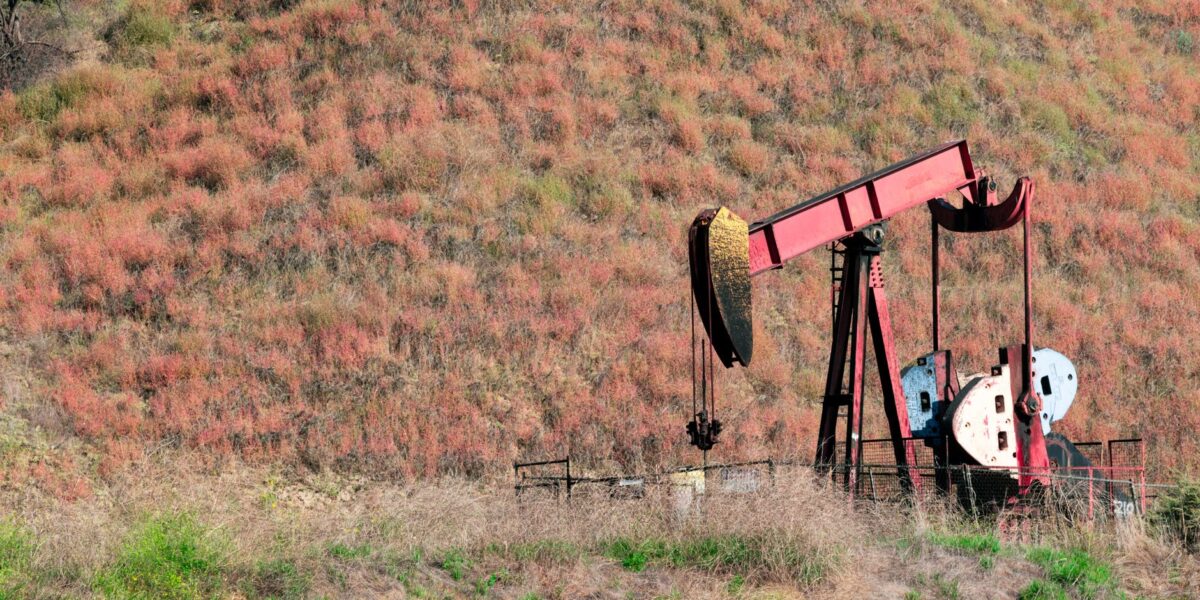
In a stunning reversal of two decades of escalating tensions, US President Donald Trump and Iranian President Masoud Pezeshkian have digitally signed a 14-point memorandum of understanding that officially ends active hostilities between the two nations. The agreement, which took effect immediately upon signing, represents the most significant diplomatic breakthrough in the Middle East since the 2015 nuclear deal — and this time, it is being framed as irreversible by both administrations. The accord reopens the Strait of Hormuz to unrestricted commercial traffic and initiates formal negotiations on sanctions relief and Iran's nuclear program, fundamentally altering the geopolitical calculus for energy markets, defence contractors, and emerging-market investors worldwide.
The virtual signing ceremony occurred on 17 June 2026 at the United Nations headquarters in New York, with both leaders present via secure digital channels. The 14-point framework covers immediate de-escalation measures, maritime traffic restoration, humanitarian corridors, and a phased approach to sanctions removal contingent on verified nuclear compliance. Neither side has disclosed the full text, but both administrations released parallel statements emphasizing the economic benefits to their respective populations and the restoration of regional stability. Iranian officials noted that preliminary discussions on sanctions relief could begin within 30 days, while US officials indicated that energy sector restrictions would be the first to be addressed, contingent on transparent IAEA inspections.
For India — a nation heavily dependent on Middle Eastern oil imports and deeply concerned about shipping route security — the agreement carries immediate strategic value. India imports roughly 80 percent of its crude oil requirement, with Iran accounting for 10-15 percent of that supply before sanctions intensified. The reopening of the Strait of Hormuz, through which roughly 21 percent of global petroleum passes, removes a critical chokepoint that has repeatedly threatened Indian energy security. Officials in New Delhi have already indicated they will resume direct energy negotiations with Tehran, potentially unlocking cheaper Iranian crude at a time when global oil prices remain volatile and India's energy security remains a core policy priority.
What Happened
The announcement came with minimal advance warning, signalling that both administrations had reached a critical mass of back-channel understanding. Over the preceding 18 months, diplomatic channels between Washington and Tehran — facilitated by Swiss intermediaries and quiet involvement from European Union officials — had intensified. The breakthrough followed a series of confidence-building measures, including the release of frozen Iranian assets held in foreign banks, a prisoner exchange that occurred in March 2026, and a months-long technical dialogue on nuclear inspection protocols mediated by the International Atomic Energy Agency.
The 14-point framework addresses seven core areas: immediate cessation of military posturing by both sides; restoration of the Strait of Hormuz to full international maritime traffic; establishment of humanitarian corridors for civilian aid; phased sanctions removal tied to nuclear compliance verification; reopening of bilateral trade channels; creation of a joint commission for dispute resolution; and a 120-day timeline for comprehensive nuclear negotiations. Each point includes specific verification mechanisms and timelines. The agreement explicitly states that all existing US sanctions on Iranian oil, banking, and shipping sectors are suspended pending completion of nuclear inspections, though secondary sanctions on entities linked to designated terrorist organizations remain in effect pending review.
Iranian officials have confirmed that the government will allow expanded IAEA inspections of all nuclear facilities, including military sites that were previously off-limits, in exchange for the lifting of restrictions on oil exports and access to the international banking system. The phasing of sanctions relief is critical: immediate suspension applies to energy and banking, while complete removal is conditional on demonstrated compliance over an 18-month verification period. This structured approach mirrors the original JCPOA framework but includes stronger inspection protocols and a more transparent timeline.
Why It Matters For Professionals
For investors, the implications are vast and multidirectional. Energy sector professionals face an immediate reshuffling of market dynamics. Oil prices, which have hovered around $78-82 per barrel over the past six months due to supply uncertainties tied to Iran conflict energy markets, are expected to decline by $8-15 per barrel within 60 days as Iranian crude re-enters global markets. This is not speculation — it is basic supply economics. Goldman Sachs and Bloomberg analysts have already published preliminary models suggesting that Iranian production could return to 2.8 million barrels per day within 12 months, a significant injection into a market that has been functioning under supply constraints.
For Indian energy companies and investors with exposure to Middle Eastern energy infrastructure, this agreement opens acquisition opportunities that have been frozen for years. Reliance Industries, ONGC Videsh, and other major Indian energy players have been unable to expand Iranian operations due to sanctions. The lifting of these restrictions means potential joint ventures in Iranian oilfields, LNG projects, and refining infrastructure become commercially viable again. Indian refineries, which specialize in processing heavy crude, have also lobbied hard for access to Iranian oil, which is cheaper and well-suited to their technological configuration.
Defence contractors and geopolitical risk specialists face a different calculus. The agreement directly reduces the probability of a major military confrontation in the Persian Gulf, which has been priced into defence stocks and geopolitical risk premiums across multiple asset classes. Companies with significant exposure to Middle Eastern defence contracts or military logistics may see compression in valuations as the tail risk of conflict diminishes. Conversely, this stabilization may unlock infrastructure spending and development projects that have been shelved due to regional instability, creating opportunities in construction, shipping, and telecommunications.
The broader macroeconomic impact on emerging markets is significant. Many emerging-market currencies — particularly the Indian rupee, Turkish lira, and others with high energy import dependency — have been under pressure partly due to elevated oil prices driven by geopolitical uncertainty. A sustained decline in crude prices could ease inflationary pressures across Asia, potentially giving central banks greater flexibility in monetary policy. For India specifically, lower crude prices reduce the current account deficit, ease pressure on the rupee, and improve fiscal headroom for the government at a time when interest rate pressures remain significant.
What This Means For You
If you have exposure to energy stocks, crude oil futures, or emerging-market currencies, immediate action is warranted. Shorting crude oil contracts — particularly Brent contracts expiring in Q3 2026 — now offers asymmetric risk-reward as the market reprices for increased Iranian supply. Conversely, if you hold defensive energy positions expecting higher oil prices, these are likely to compress over the next quarter. For Indian investors specifically, the rupee is likely to strengthen gradually as oil prices decline, making this a poor time to hold excessive dollar exposure. Consider rebalancing domestic equity positions away from oil-sensitive sectors and toward sectors that benefit from lower energy costs, such as chemicals, pharmaceuticals, and IT services.
For professionals in energy-intensive industries — cement, steel, fertilizers — this agreement represents a tailwind that has not been priced in yet. Operating margins in these sectors are deeply sensitive to energy costs. A 10-20 percent decline in crude oil prices could expand EBITDA margins by 200-400 basis points depending on the sector. Companies that have hedged against high oil prices may find themselves advantageously positioned, but those carrying long-term fixed energy contracts at inflated prices are at risk. If you are evaluating capital expenditure decisions or acquisition targets in these sectors, the timing is critical: pre-tax valuations may not yet reflect the margin improvement cycle that is about to unfold.
What Happens Next
The immediate next step is the establishment of a Joint Commission within 30 days, comprising representatives from both nations plus IAEA officials, to begin detailed negotiations on sanctions relief sequencing. The US administration has signalled that energy sanctions will be lifted first, followed by banking restrictions, allowing Iranian banks to reconnect to the SWIFT system. This is expected to occur within 45-90 days pending initial IAEA compliance verification. The Iranian government has already begun preparations to ramp up crude production, though this process takes time — estimates suggest that full pre-sanctions production capacity of 3.7 million barrels per day will take 12-18 months to restore.
In parallel, negotiations on Iran's nuclear program will proceed under a separate 120-day framework. These discussions will focus on finalizing the technical specifications for inspections, clarifying the status of previously disputed military research, and establishing a compliance verification protocol that both sides view as transparent and verifiable. EU officials are preparing to announce that they will reopen trade missions in Tehran and that European companies will be permitted to resume commercial negotiations with Iranian counterparts, subject to US sanctions removal.
For geopolitical risks, the timeline is longer but equally consequential. The agreement includes provisions for establishing a joint dispute resolution mechanism, which suggests that both sides anticipate friction points in implementation. Historical precedent with the JCPOA shows that these mechanisms can be both effective and contentious. Over the next 180 days, watch for developments around secondary sanctions enforcement, the pace at which Iranian banks rejoin international financial systems, and the degree to which Iranian crude successfully penetrates global markets without triggering US political backlash.
3 Frequently Asked Questions
Will this agreement definitely hold, or is there a risk of collapse like the JCPOA?
A: The structural safeguards in this agreement are more robust than the JCPOA. The accord includes graduated sanctions relief tied to demonstrable compliance milestones, rather than a single "snapback" mechanism. Additionally, both the Trump and Pezeshkian administrations have stated this is a binding accord, not merely an executive agreement, which increases domestic political cost for either side to withdraw. However, geopolitical risk remains — a change in US administration, internal Iranian political shifts, or a major terror attack could create justification for withdrawal. Investors should assign a 15-20 percent probability to significant disruption within 24 months, but this is substantially lower than the pre-agreement baseline.
How quickly will Iranian crude actually return to markets?
A: Not as quickly as headlines suggest. While sanctions are being suspended immediately, the logistics of restarting production, servicing oilfields, and securing shipping infrastructure take time. Industry analysts estimate Iranian production could reach 1.5-2 million barrels per day within 6 months and 2.5-2.8 million barrels per day by month 12. Full pre-sanctions capacity of 3.7 million barrels per day likely requires 18-24 months. The pace will be constrained by pipeline capacity, tanker availability, and the willingness of international shipping companies to engage with Iran — which requires legal clarity that is still being established.
What does this mean for Indian consumers?
A: Lower petrol and diesel prices are likely within 2-3 months, though the magnitude depends on how quickly crude prices decline and whether the government adjusts fuel taxes. A $10 per barrel reduction in crude translates roughly to ₹0.75-₹1.25 per litre reduction in petrol prices at the pump, assuming stable exchange rates. More importantly, lower energy costs should gradually reduce inflation across sectors like transport, manufacturing, and power generation, which could ease pressure on the Reserve Bank to maintain high interest rates — ultimately benefiting mortgage holders and savers.
Why is no one talking about the fact that this agreement essentially rewrites the economic calculus for energy security in Asia? We are obsessing over the geopolitical theatre — and yes, avoiding conflict is valuable — but the real story is that Indian energy costs just got dramatically cheaper, and the macroeconomic tailwinds are about to become very real. Here is what you need to do immediately: If you work in energy-intensive sectors, brief your CFO on margin expansion scenarios because your competitors are probably already doing this. If you have exposure to crude oil contracts or carry long-term energy hedges, review them this week — the market is still pricing in scarcity that no longer exists. And if you are sitting in cash waiting for the “right time” to deploy capital in India, this is the reset moment. Lower energy inflation, a stronger rupee, and improving fiscal headroom are the recipe for equity outperformance in the next 18 months. The market will catch up to this within 90 days. Move first.
