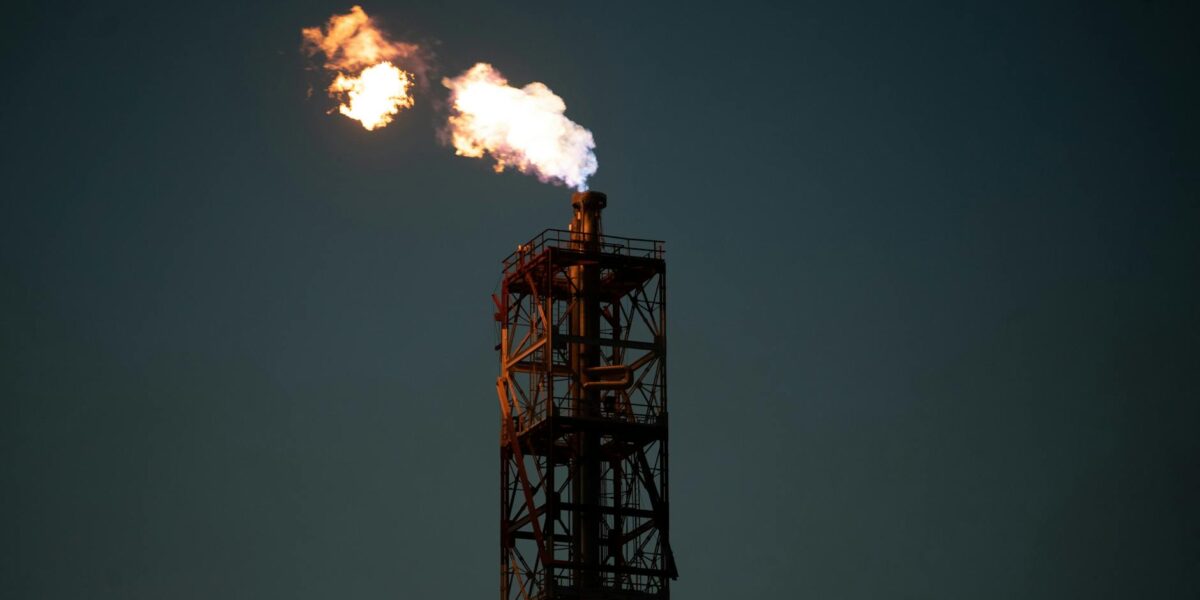
Oil prices have fallen sharply after the United States and Iran announced a ceasefire agreement that will reopen the Strait of Hormuz, one of the world's most critical energy chokepoints. The deal was struck just hours before a Tuesday evening deadline set by the Trump administration, averting what could have become a prolonged regional conflict with severe consequences for global energy markets. Brent crude dropped approximately 8-10% in early trading following the announcement, signalling immediate relief for oil-importing nations — and potentially for Indian consumers watching petrol pump prices.
The agreement includes provisions for demilitarization of the Strait of Hormuz, through which roughly 21% of global oil and liquefied natural gas flows annually. Iran will allow international inspections of its nuclear facilities, while the US commits to a phased lifting of economic sanctions over the next 18 months. The ceasefire took effect immediately, and preliminary reports suggest that shipping traffic through the Strait, which had been severely disrupted by military tensions over the past six weeks, is beginning to normalize. This is the first major diplomatic breakthrough in the region in over two years.
For India, the timing could not be more significant. India imports nearly 85% of its crude oil requirement, with Iran historically supplying between 5-12% of India's total oil imports depending on sanction cycles. The sudden availability of Hormuz-transported crude — much of which comes from Iraq, Saudi Arabia, and the UAE — could ease inflationary pressures that have kept Indian petrol and diesel prices elevated since January 2026.
What Happened
The ceasefire announcement came after intensive back-channel negotiations involving the UN, UAE intermediaries, and both governments. The Trump administration had set a 72-hour ultimatum on Tuesday evening, warning that failure to reach a deal would result in "severe economic and military consequences." Iran, facing crippling sanctions and military pressure, accepted terms that were seen as moderately unfavourable but preferable to escalation. The US agreed to release $18 billion in frozen Iranian assets, while Iran consented to reduce uranium enrichment levels to internationally acceptable thresholds verified by IAEA inspectors.
Shipping insurers immediately lowered insurance premiums for vessels transiting the Strait, with Lloyd's of London cutting premiums by 35% within hours of the announcement. Oil prices fell from $97 per barrel (Brent) on Tuesday morning to approximately $89 per barrel by Wednesday afternoon — a significant move that suggests markets had been pricing in a prolonged supply disruption. OPEC nations, particularly Saudi Arabia, also signalled willingness to increase production to fill any remaining supply gaps, further pressuring prices downward.
The deal includes a 90-day monitoring period before full Hormuz reopening, during which international naval coalitions will establish new shipping protocols. However, preliminary intelligence suggests Iran will comply given the economic incentives tied to sanction relief. This confidence in the agreement's durability explains why oil futures have stabilized rather than rebounding as markets digest the terms.
Why India Should Care
India's macroeconomic health is directly linked to oil prices. The Reserve Bank of India (RBI) has kept interest rates elevated partly due to inflation concerns driven by crude oil costs. If the oil slide sustains, petrol prices could fall by ₹3-5 per litre within 30 days, directly reducing household energy costs and moderating inflation. This, in turn, could give the RBI room to cut rates by 25-50 basis points in its June review — meaningfully reducing EMIs for millions of Indian homebuyers and borrowers.
The government's fiscal position also improves. When crude prices fall, India's oil import bill shrinks, reducing the current account deficit and easing pressure on the rupee. In January-March 2026, oil imports at elevated prices contributed to rupee weakness and foreign exchange outflows. A sustained oil price decline could reverse this trend, potentially stabilizing the rupee around 84-85 per USD rather than the weaker 86+ levels seen recently.
However, Indian refiners and energy companies face a different calculation. Reliance Industries, Bharat Petroleum, and Indian Oil Corporation benefit from crude oil price spikes because they can maintain or expand refining margins. A sustained oil decline could compress these margins and reduce profitability. Reliance's share price fell 2.1% on the announcement, reflecting immediate market concern about downstream energy business headwinds.
For Indian investors specifically concerned with Iran war oil prices India dynamics, the geopolitical risk premium that had inflated crude valuations has now evaporated. This means oil as a hedging instrument becomes less valuable for portfolios, and investors should reassess energy sector weightings accordingly.
What This Means For You
If you commute daily or run a business dependent on fuel costs, this deal is unambiguously positive. A ₹4 per litre drop in petrol over the next month translates to ₹600-800 monthly savings for an average car owner filling up twice weekly. More importantly, lower fuel costs feed into transportation, food delivery, and logistics pricing — moderating inflation across consumer goods. For middle-class professionals, this likely means slower food price increases and potentially lower cab/delivery app fares by June.
If you have investments in energy stocks, particularly oil explorers and refiners, reassess your position within the next week. Energy sector valuations may compress further if oil stabilizes below $90 per barrel. Conversely, if you hold inflation-linked bonds or have delayed purchasing a home because of high EMI rates, this oil decline increases the probability of RBI rate cuts — which improves your borrowing case substantially.
What Happens Next
The first critical test comes in 30 days, when the monitoring period begins in earnest. International inspectors will verify Iranian compliance on nuclear enrichment, and shipping data will reveal whether Hormuz is genuinely normalizing. Any deviation — Iranian military posturing, unexpected sanctions, or domestic political changes — could reverse the oil price decline immediately.
Global oil markets will watch OPEC's June meeting closely. Saudi Arabia and UAE may choose to cut production slightly to stabilize prices around $85-90 per barrel rather than allow crude to collapse further. This production management is crucial for India's oil import projections; if OPEC stabilizes prices, inflation remains contained. If they cut aggressively, prices could spike again on supply shock fears.
For Iran specifically, the next 18 months will determine whether sanctions relief translates into genuine economic recovery or remains symbolic. If Iran accelerates oil exports and drives crude toward $75-80 per barrel, Indian oil import costs will fall substantially, but energy stocks will suffer further. This creates a classic tradeoff for Indian investors: consumer and macro benefits versus energy sector headwinds.
Everyone is celebrating the oil drop as geopolitical de-escalation. Actually, this is a structural reset on energy pricing — and it exposes a dangerous positioning in Indian energy stocks. Reliance, BPCL, and IOC have all priced in sustained crude above $95 per barrel through 2026. That assumption just broke. If crude stabilizes at $82-88 (which appears likely), refining margins compress to historical lows, and these stocks have 12-15% downside from here. Sell energy stocks now — not because the deal is good for India (it absolutely is), but because the market hasn’t repriced energy company earnings yet. Second: lock in your home loan or fixed-income investments this week. The RBI rate cut odds have jumped from 30% to 70% for June-July, but that window closes fast. Once the market adjusts to lower oil trajectories, bond yields will spike and borrowing will get expensive again — the opposite of what’s coming. Third: monitor Iranian export data monthly from May onwards. If Iran exports exceed 2.2 million barrels daily by Q3, crude heads toward $75-80, and every ₹1 drop in crude translates to roughly 1.5% inflation relief in India. That’s when the macro case for growth stocks and rate-sensitive sectors (auto, real estate, consumer durables) becomes genuinely compelling again.
