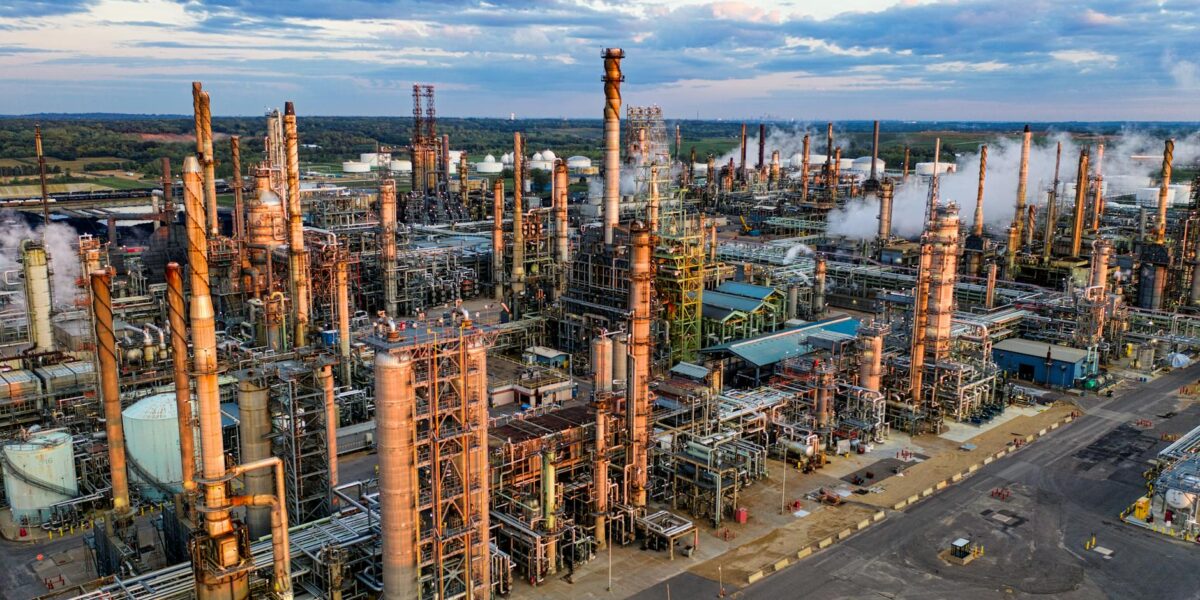
- Gold prices dropped 2% as US dollar strengthened following collapse of US-Iran diplomatic talks
- Oil prices surged on Middle East supply disruption fears, fueling inflation concerns
- Federal Reserve interest rate decision this week now critical for precious metals outlook
- Indian gold premiums rose sharply amid supply constraints and festive season demand
Gold prices fell 2% as the US dollar strengthened after diplomatic talks between Washington and Tehran broke down, raising fears of Middle East oil supply disruptions. Higher oil prices are stoking inflation concerns, making investors nervous about potential Federal Reserve rate hikes. Markets are now focused on this week's Fed decision while gold supplies tighten in India.
Gold prices tumbled in global markets as diplomatic relations between the United States and Iran deteriorated sharply, sending the dollar surging and oil prices climbing on supply disruption fears. The precious metal dropped 2% in early Asian trading as investors fled to the safety of the greenback amid escalating geopolitical tensions.
The breakdown in US-Iran talks, which had been progressing steadily over recent months, caught markets off guard and immediately triggered a flight to dollar-denominated assets. Oil prices jumped 4% on concerns that Iran might restrict energy exports through the strategic Hormuz Strait, through which roughly 20% of global petroleum liquids transit daily.
Indian gold markets reflected the global volatility, with domestic premiums rising sharply as dealers reported tighter supplies coinciding with increased demand ahead of upcoming festivals. Mumbai gold traders noted premiums climbing to $15-20 per ounce above international rates, up from the typical $8-12 range.
What Happened
The diplomatic crisis emerged after Iranian negotiators abruptly withdrew from ongoing discussions in Vienna, citing what Tehran described as "unacceptable preconditions" from the American side. The talks, aimed at reviving elements of previous nuclear agreements, had shown promise in recent weeks with both sides expressing cautious optimism about potential breakthroughs.
Iran's foreign ministry issued a statement Monday evening local time indicating that negotiations would be suspended indefinitely, with officials suggesting that recent US sanctions on Iranian shipping companies had undermined the diplomatic process. The announcement came just hours before Asian markets opened, amplifying the initial shock across trading floors from Tokyo to Singapore.
Energy markets reacted immediately to the diplomatic breakdown, with Brent crude futures climbing above $82 per barrel for the first time in three weeks. Natural gas prices also spiked as traders priced in potential supply disruptions from one of the world's largest energy exporters. The energy surge raised immediate concerns about renewed inflationary pressures just as central banks globally had begun to signal potential policy pivots.
The US Dollar Index strengthened to its highest level in two weeks as investors sought safe-haven assets amid the uncertainty. Currency strategists noted that the combination of geopolitical tensions and rising energy costs typically benefits the dollar in the near term, even as it creates challenges for dollar-denominated commodities like gold.
Why It Matters For Professionals
Investment professionals now face a complex matrix of risks that could reshape portfolio strategies across multiple asset classes. The stalled diplomatic talks raise the probability of sustained higher energy costs, which would complicate central bank policy decisions globally and potentially extend the current cycle of elevated interest rates.
For fund managers and institutional investors, the developments create a challenging environment where traditional safe-haven assets are pulling in different directions. While geopolitical tensions typically boost gold demand, the combination of a stronger dollar and rising real interest rate expectations is creating headwinds for precious metals in the near term.
Corporate treasurers, particularly those in energy-intensive industries, face renewed hedging challenges as oil price volatility returns to elevated levels. Companies with significant Middle Eastern exposure or supply chain dependencies may need to reassess risk management strategies, especially if diplomatic relations continue deteriorating.
The timing proves particularly problematic for emerging market assets, which face pressure from both stronger dollar dynamics and higher energy import costs. Portfolio managers with significant emerging market allocations may need to consider defensive positioning as the dual headwinds of currency pressure and inflation concerns converge.
What This Means For You
Individual investors should expect increased market volatility across multiple asset classes as geopolitical uncertainty intersects with monetary policy decisions. Energy sector investments may see renewed interest, but the sector's volatility requires careful position sizing and risk management.
Currency hedging becomes more critical for investors with international exposure, as dollar strength could persist if diplomatic tensions escalate further. Those holding gold as portfolio insurance may want to maintain positions despite near-term pressure, as longer-term safe-haven demand could resurface if regional conflicts intensify.
What Happens Next
Markets will focus intensely on this week's Federal Reserve policy meeting, where officials must balance inflation concerns from rising energy costs against broader economic considerations. Any hawkish signals from Fed policymakers could extend gold's weakness, particularly if real interest rates continue climbing.
Iranian officials have indicated willingness to resume talks but only under revised conditions, suggesting the diplomatic impasse could persist for weeks or months. Energy markets will remain sensitive to any developments in US-Iran relations, with particular attention on Iranian oil export levels and any potential restrictions on Gulf shipping lanes.
3 Frequently Asked Questions
How do rising oil prices typically affect gold investments?
Higher oil prices usually create inflationary pressure, which can benefit gold as an inflation hedge. However, if energy price increases lead to higher interest rates, this creates downward pressure on gold prices. The net effect depends on which force dominates in the near term.
Should investors avoid gold during periods of dollar strength?
Dollar strength typically pressures gold prices since the metal is priced in dollars globally. However, geopolitical tensions and inflation concerns can offset this relationship. Long-term investors often maintain gold positions during such periods as portfolio diversification.
What sectors benefit most from US-Iran diplomatic tensions?
Energy companies, defense contractors, and alternative energy providers often see increased investor interest during Middle Eastern tensions. However, these sectors also carry higher volatility and geopolitical risks that require careful evaluation.
This is not an energy story. This is a monetary policy story with energy complications. The Federal Reserve now faces its most complex decision matrix in months, trying to balance inflation risks from spiking oil against broader economic stability concerns.
If you hold significant gold positions, do not panic sell on dollar strength alone. The current diplomatic breakdown could easily escalate into broader regional tensions that would ultimately benefit precious metals. However, trim any leveraged positions immediately as volatility will remain elevated.
The real opportunity lies in energy infrastructure plays rather than direct oil exposure. Pipeline companies and LNG facilities will benefit from any sustained supply disruption fears without the direct geopolitical risks of upstream producers. Watch the Fed decision this week closely, as any dovish surprise could quickly reverse current dollar strength and restart the gold rally.
