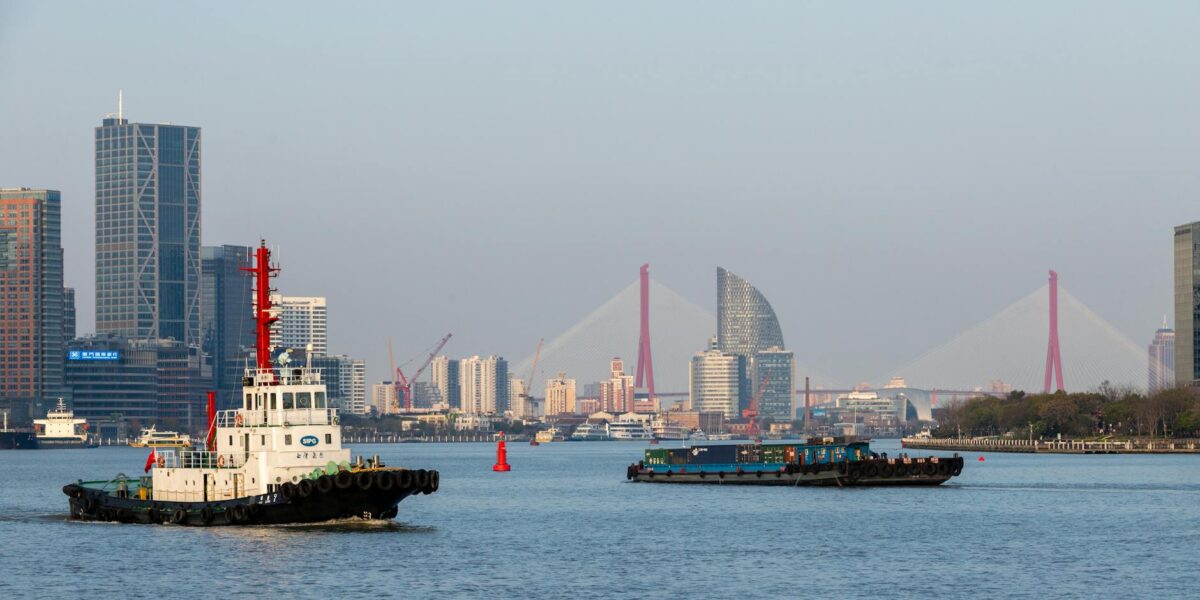
- Paraguay remains Taiwan's only diplomatic ally in South America amid intense Chinese pressure
- China offers infrastructure deals worth billions to flip Paraguay's allegiance from Taiwan
- Diplomatic shift would leave Taiwan with just 12 official allies globally, weakening its international position
- Regional trade dynamics could reshape as China expands Belt and Road influence in Latin America
China is aggressively courting Paraguay, Taiwan's last diplomatic ally in South America, with massive infrastructure promises and trade deals. Paraguay insists it won't abandon Taiwan, but Beijing's economic leverage is creating real pressure. If Paraguay flips, Taiwan loses crucial international legitimacy while China strengthens its Latin American foothold.
Paraguay stands as Taiwan's lone diplomatic holdout in South America, but Beijing is pulling every lever to change that equation. Chinese officials have intensified outreach to Asunción over the past six months, offering infrastructure investments, agricultural partnerships, and trade agreements that dwarf Paraguay's current economic relationship with Taiwan.
The landlocked nation of 7.5 million people has maintained formal diplomatic ties with Taiwan since 1957, making it one of just 13 countries worldwide that officially recognise Taipei over Beijing. But China's economic might is creating uncomfortable pressure for a country that exports 70 percent of its soybeans and beef to global markets where Chinese demand increasingly sets prices.
What Happened
Chinese Deputy Foreign Minister Ma Zhaoxu visited Asunción twice in the past four months, sources familiar with the meetings confirm. During these visits, Beijing presented Paraguay with a comprehensive economic package including port access through Brazil, direct flights to Chinese cities, and technology transfers for the country's agricultural sector.
The charm offensive represents Beijing's most sustained diplomatic push in Paraguay since 2018, when former President Horacio Cartes briefly considered switching recognition. Current President Santiago Peña has publicly reaffirmed Paraguay's commitment to Taiwan, but his administration faces mounting pressure from agricultural exporters who see China as essential for long-term growth.
Taiwan has responded by increasing its own investment commitments. Taiwanese technology companies announced plans to invest 200 million dollars in Paraguay's manufacturing sector over the next three years, while Taiwan's government extended a 100 million dollar development fund specifically for infrastructure projects.
The diplomatic tug-of-war comes as China systematically reduces Taiwan's international space. Since 2016, nine countries have switched recognition from Taiwan to China, leaving Taipei with just 13 official allies, most of them small island nations or Central American countries.
Why It Matters For Professionals
Paraguay's potential diplomatic flip would accelerate China's dominance in Latin American markets. Chinese companies already control critical infrastructure across the region, from Peru's largest port to Brazil's power grid. Adding Paraguay would give Beijing influence over a key agricultural corridor that feeds global food supplies.
For investors tracking geopolitical risk, Paraguay represents a canary in the coal mine. If economic pressure can flip Taiwan's most stable South American ally, it signals that China's checkbook diplomacy has reached a new phase of effectiveness. This matters particularly for professionals in commodities trading, where Chinese demand increasingly determines pricing power.
The stakes extend beyond bilateral relations. Paraguay's switch would validate China's strategy of using economic incentives to isolate Taiwan internationally. Other remaining allies, particularly in Central America, would face similar pressure with clear precedent that resistance is futile.
Financial markets have already begun pricing in regional realignment. Latin American infrastructure stocks have gained 15 percent over the past quarter, partly on expectations that Chinese Belt and Road Initiative will expand further into the continent. Currency traders are also watching for signs that increased Chinese investment could strengthen regional exchange rates against the dollar.
What This Means For You
Professionals in agricultural commodities should monitor this situation closely. Paraguay controls significant soybean and beef exports, and a shift to Chinese alignment could reshape supply chain dynamics overnight. Companies sourcing from Paraguay might find their suppliers suddenly prioritising Chinese buyers, potentially affecting pricing and availability.
For those tracking technology sector investments, Taiwan's response matters significantly. Taiwanese semiconductor and electronics companies are likely to accelerate their diversification away from markets where Chinese pressure creates diplomatic uncertainty. This could create opportunities in alternative markets while potentially disrupting existing supply relationships.
What Happens Next
Paraguay's ruling Colorado Party faces internal elections in 2025, creating a natural inflection point for policy changes. Chinese officials are reportedly targeting key party leaders with investment proposals tied to specific constituencies, particularly cattle ranchers and soybean farmers who form the party's base.
Taiwan's government has indicated it will increase economic assistance to Paraguay, but the scale remains limited compared to what China can offer. Taiwanese officials are focusing on technology transfers and education partnerships, areas where they maintain competitive advantages over Chinese alternatives.
The next 18 months will likely determine Paraguay's diplomatic direction. If Chinese economic incentives begin delivering concrete benefits to key constituencies, political pressure for recognition switch will intensify regardless of government statements.
3 Frequently Asked Questions
Why does Paraguay's diplomatic recognition matter so much to both Taiwan and China?
Every official diplomatic relationship affects Taiwan's ability to participate in international organisations and maintain sovereignty claims. For China, flipping allies demonstrates the inevitability of its "One China" policy and weakens Taiwan's international legitimacy.
What economic benefits could Paraguay gain from switching to China?
China has offered direct market access for agricultural exports, infrastructure financing for transportation networks, and technology partnerships for industrial development. These benefits could significantly boost Paraguay's GDP growth, which has averaged just 3 percent annually over the past decade.
How would a diplomatic switch affect Taiwan's remaining allies?
Paraguay's flip would likely accelerate pressure on other allies, particularly Guatemala, Honduras, and Belize. These countries would face increased Chinese economic incentives while seeing reduced confidence in Taiwan's ability to maintain diplomatic relationships long-term.
This is not a story about Paraguay. This is a story about the price of sovereignty in a multipolar world. When economic incentives become large enough, diplomatic principles face real tests that sound bites cannot answer.
If you have investments exposed to Taiwan’s technology sector, start diversifying now. The island’s diplomatic isolation is accelerating, and markets will eventually price in the reality that economic pressure works. Paraguay might hold out this time, but the precedent is clear.
Watch Paraguay’s agricultural export data over the next six months. If Chinese purchases increase significantly despite no formal diplomatic relations, it signals Beijing is already providing economic benefits to encourage switching. That would make formal recognition almost inevitable, regardless of current government promises.

[…] legal confrontation began when a 15-year-old rape survivor approached the courts seeking permission to terminate her pregnancy. The Supreme Court initially granted this permission, […]