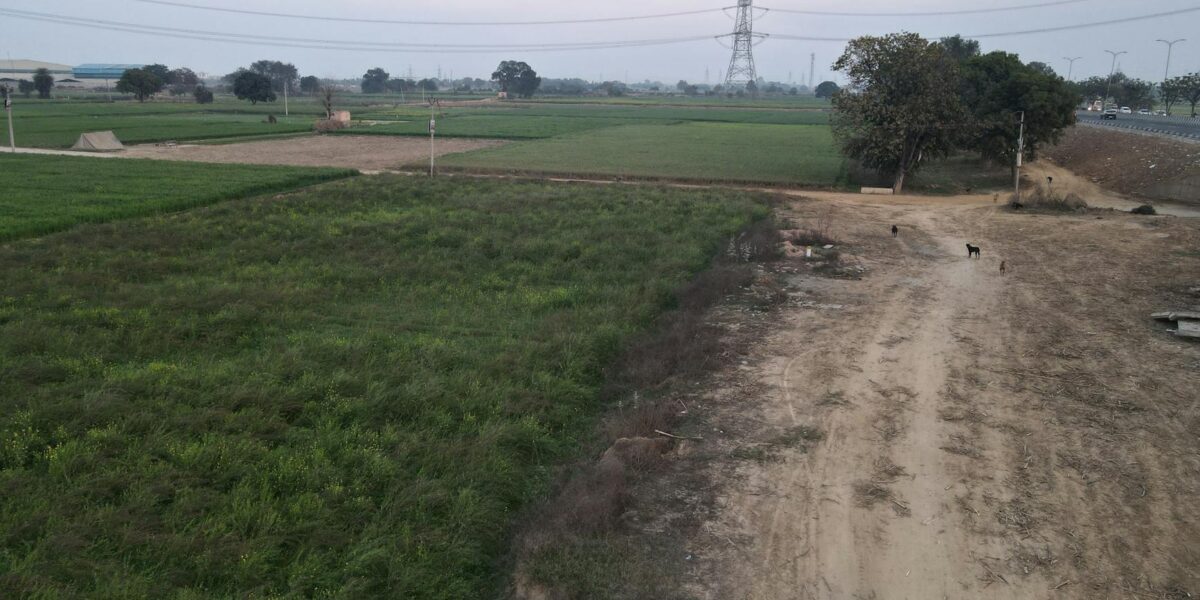
Afghanistan and Pakistan are fighting two wars simultaneously—one with guns and artillery along their disputed border, and another with hashtags and viral videos across social media platforms. The neighbouring countries have escalated their decades-old territorial dispute into a full-blown information warfare campaign, with both governments deploying sophisticated digital propaganda to control global perception of the conflict.
The physical clashes have intensified since early March 2026, with reports of cross-border shelling and skirmishes along the Durand Line, the contentious 2,640-kilometre border that Afghanistan has never officially recognised. Meanwhile, Pakistani and Afghan officials have flooded Twitter, Facebook, and Telegram with competing narratives, each accusing the other of aggression while portraying themselves as victims of unprovoked attacks.
For India, this escalating conflict presents both strategic opportunities and significant security challenges. As Pakistan deploys military resources toward its western border, Indian security analysts are closely monitoring how this might affect the Line of Control in Kashmir and whether Pakistan's attention on Afghanistan could alter the security calculus in South Asia.
What Happened
The current phase of the Afghan-Pakistan conflict began heating up in late February 2026, when Pakistani forces launched airstrikes on what Islamabad claimed were militant hideouts in Afghanistan's Khost and Kunar provinces. The Taliban government in Kabul retaliated by mobilising troops along the border and releasing footage purportedly showing Pakistani military installations under fire.
But the more dramatic battle has unfolded online. Pakistan's military public relations wing has pushed narratives about Afghanistan harbouring anti-Pakistan militants, particularly members of Tehrik-i-Taliban Pakistan. Afghan government accounts have countered with posts highlighting Pakistani "colonial aggression" and historical grievances over the Durand Line, which Britain drew in 1893 to separate British India from Afghanistan. Taliban officials have effectively used Pashto and Urdu language content to appeal directly to Pakistani Pashtun populations, potentially undermining Islamabad's domestic support for the conflict.
Both governments have enlisted influencers, created viral infographics, and deployed coordinated hashtag campaigns. Pakistan's #DefendingPakistan and Afghanistan's #AfghanSovereignty have trended repeatedly, each accumulating millions of impressions. Fact-checkers have flagged numerous videos from both sides as either old footage from previous conflicts or completely fabricated content using gaming software.
Why India Should Care
India's strategic interests in Afghanistan remain substantial despite the Taliban's return to power in 2021. New Delhi has invested over two billion dollars in Afghan infrastructure and development projects since 2001, and maintains diplomatic contact with the Taliban government while stopping short of formal recognition. A protracted Afghan-Pakistan conflict could destabilise the region and threaten these investments while potentially creating space for increased Chinese influence.
The information warfare dimension carries particular relevance for India Pakistan news today, as similar tactics have been deployed in the India-Pakistan context for years. Indian security agencies have documented extensive Pakistani disinformation campaigns targeting Indian audiences, particularly around Kashmir and communal issues. Afghanistan's apparent success in countering Pakistani narratives could offer lessons for Indian strategic communications.
More immediately, Pakistan's military preoccupation with Afghanistan could reduce pressure on India's western border. However, this also creates risks—a Pakistan feeling besieged on two fronts might behave more unpredictably, and any major Taliban military success could embolden militant groups that also operate against Indian interests. The Indian Army's Northern Command has reportedly increased surveillance along the Line of Control to monitor any unusual Pakistani troop movements.
Indian economic interests are also at stake. The Chabahar port project in Iran, which India has developed as an alternative route to Afghanistan and Central Asia bypassing Pakistan, becomes even more critical if the Afghan-Pakistan border remains unstable. Indian businesses exploring post-conflict opportunities in Afghan mining and agriculture need stability that this escalation threatens.
What This Means For You
For Indian professionals and investors, this conflict underscores the importance of diversifying exposure to South Asian markets. Pakistan's economy, already struggling with high inflation and currency depreciation, faces additional pressure from military expenditure on another front. Indian companies with any supply chain dependencies running through or near Pakistan should evaluate alternative routing options.
The information warfare tactics on display also serve as a reminder for Indian citizens to verify sources before sharing content about regional conflicts. The same deepfake technologies and manipulated videos being used in the Afghan-Pakistan context regularly surface in India Pakistan news today, often designed to inflame communal tensions or spread false narratives about border incidents.
What Happens Next
The conflict's trajectory will likely depend on international pressure and Pakistan's economic bandwidth to sustain operations on multiple fronts. China, which has significant interests in Pakistani stability through the China-Pakistan Economic Corridor, may mediate behind the scenes. The United States, despite its withdrawal from Afghanistan, retains enough influence over Pakistan through financial leverage to encourage de-escalation if Washington chooses to engage.
India will continue monitoring developments closely while maintaining its diplomatic outreach to Kabul. The Ministry of External Affairs has refrained from public comment on the clashes, adhering to its policy of not interfering in bilateral disputes between neighbours. However, Indian intelligence agencies are almost certainly analysing the effectiveness of both sides' information operations, extracting lessons applicable to India's own strategic communications challenges. As this situation evolves, the digital battlefield may ultimately prove more decisive than the physical one in determining which narrative prevails.
