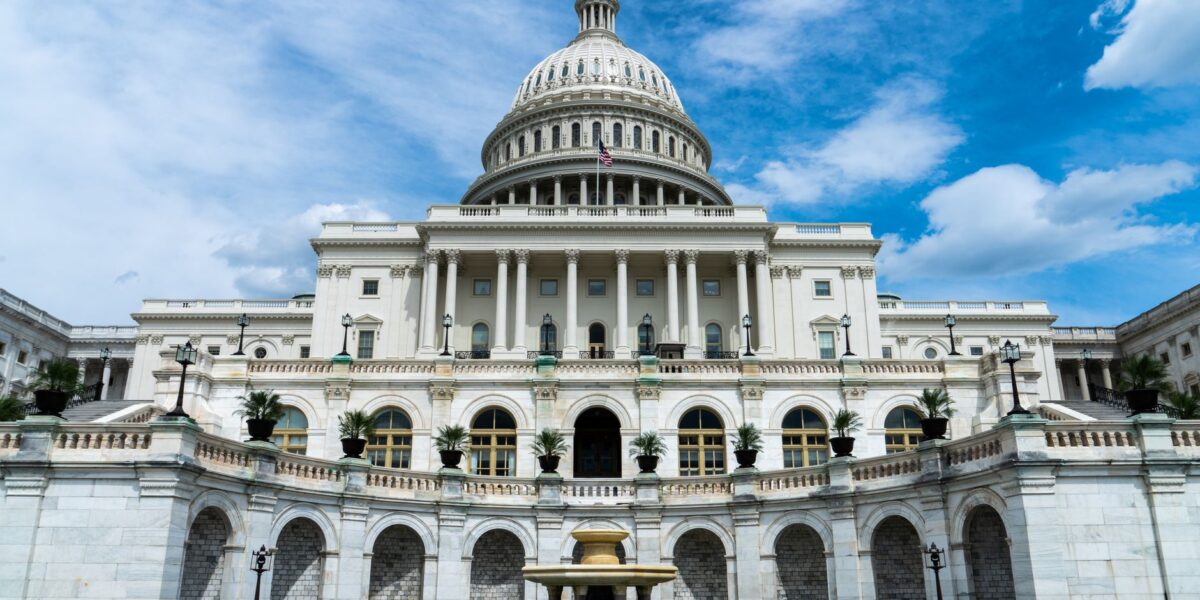
An armed man was arrested near Donald Trump's coastal California golf course shortly before the president was scheduled to host a high-profile fundraising dinner, triggering immediate Secret Service intervention and raising fresh questions about security protocols at private venues hosting political events. The arrest occurred in the afternoon hours, forcing a brief lockdown of the facility before operations resumed with heightened security measures.
The incident unfolded at one of California's most exclusive golf clubs, where Trump had planned to raise substantial campaign funds from a curated group of donors. Law enforcement officers apprehended the individual after reports came through of a man carrying a firearm in proximity to the club's perimeter. While details remain sparse from official channels, the timing of the arrest—mere hours before the scheduled event—underscores the persistent security challenges that plague high-profile political gatherings, particularly those involving sitting presidents.
What Happened
The arrest took place in the late afternoon as Secret Service agents and local law enforcement coordinated a rapid response following initial reports. Officers encountered the armed individual in an area adjacent to the golf course's main access point, though the exact nature of his intentions remains unclear pending official investigation. The man was taken into custody without incident, and no injuries were reported during the apprehension.
Security protocols at the venue were immediately elevated following the arrest. Access points were temporarily restricted, and attendees for the evening fundraising event underwent additional screening procedures. The Secret Service, which maintains constant protective detail for sitting presidents, conducted a comprehensive sweep of the grounds and surrounding areas to ensure no additional threats existed. Golf course management cooperated fully with federal and local authorities throughout the incident.
The fundraising dinner itself proceeded as scheduled following the all-clear from security personnel. Trump addressed the assembled donors, who had paid substantial sums for access to the exclusive evening. The president's political operation has not publicly disclosed the amount raised or the specific nature of discussions that occurred during the event, though such gatherings typically focus on campaign contributions and strategy for upcoming electoral cycles.
Why It Matters For Professionals
For investors and professionals tracking geopolitical stability and market dynamics, such incidents carry implications beyond the immediate security concern. The incident occurred against the backdrop of Trump's aggressive trade and foreign policy agenda, which has directly shaped market volatility, corporate strategy, and investment allocation throughout 2026. The president's trade war stance—particularly regarding tariffs on Chinese imports and negotiations with strategic allies—has created persistent uncertainty for multinational corporations and portfolio managers.
The security incident, while isolated, reflects broader tensions in the current political environment. Trump's confrontational approach to trade negotiations, immigration policy, and international relations has generated passionate support from his base but equally intense opposition from critics. This polarization manifests across multiple domains, from social media to organized protests to isolated incidents like the one at the California golf course. For professionals managing portfolios exposed to policy-sensitive sectors—technology, manufacturing, agriculture, and defense—these political flashpoints serve as reminders of downside risks that transcend traditional market analysis.
The timing is particularly relevant as Trump's administration navigates ongoing trade disputes that directly impact corporate earnings and consumer prices. Companies with supply chains dependent on Asian manufacturing face persistent pressure from tariff regimes. Agricultural exporters confront retaliatory measures from trading partners. Technology firms navigate restrictions on intellectual property transfer and component sourcing. In this context, any incident that underscores political instability carries market implications that extend far beyond the immediate news cycle.
What This Means For You
If your portfolio contains exposure to multinational corporations, particularly those with significant manufacturing operations in tariff-sensitive sectors, the current environment demands active monitoring and potential rebalancing. The Trump trade war of 2026 has created structural bifurcation in market valuations—companies with domestic-focused supply chains have outperformed those dependent on cross-border trade. Security incidents and political turbulence, while individually minor, contribute to the broader risk premium priced into equities exposed to policy uncertainty.
Professionals working in industries dependent on stable regulatory environments—financial services, healthcare, technology—should maintain elevated awareness of political developments. While this particular incident did not directly disrupt the president's schedule, such occurrences reflect underlying tensions that occasionally manifest in policy volatility. The fundraising dinner proceeded without incident, but similar events throughout 2026 have occasionally sparked policy announcements or strategic shifts. Stay informed through credible news channels and maintain diversification as a hedge against political risk concentration.
What Happens Next
Law enforcement agencies will conduct a full investigation into the arrested individual's background, motivations, and any potential connections to organized groups. Federal prosecutors will determine whether charges at the federal level are warranted, particularly given the proximity to a sitting president. The Secret Service will likely incorporate findings from this incident into updated threat assessment protocols for future high-profile events at private venues.
The incident may prompt discussions about security responsibilities shared between private clubs and federal protective services. Golf courses hosting presidential visits face unique challenges because they are spread across large geographic areas with multiple potential access points. Future events may necessitate more restrictive perimeter controls or enhanced coordination between club management and law enforcement. These operational changes will remain largely invisible to the public but will influence how future political fundraising events are conducted.
3 Frequently Asked Questions
What security measures protect a sitting president at private golf venues?
A: The Secret Service maintains comprehensive protective details including perimeter security, advanced threat detection equipment, and coordination with local law enforcement. At private venues like golf clubs, additional measures include access point controls, background screening for attendees, and advance sweeps of facilities. The multi-layered approach aims to balance security with operational accessibility, though trade-offs inevitably exist. The California incident demonstrates that even with robust protocols, determined individuals may occasionally breach preliminary perimeters—though they are typically apprehended before reaching protected areas.
How do political security incidents affect market behavior?
A: Isolated incidents typically have minimal direct market impact unless they result in policy uncertainty or suggest broader systemic instability. However, during periods of elevated political polarization—such as 2026 under the Trump administration—investors remain more sensitive to security-related news. Market participants assess whether incidents signal increased political volatility that might influence policy direction, particularly on trade, regulation, or geopolitical matters. The cumulative effect of multiple incidents or sustained political turbulence can translate into measurable risk premiums across policy-sensitive sectors.
Does this incident change anything about the Trump trade war stance?
A: No. This security incident is a discrete law enforcement matter unrelated to trade policy or presidential strategy. However, the broader political environment in which such incidents occur—characterized by deep polarization around Trump's aggressive trade and foreign policy positions—creates the context in which extremist actions occasionally emerge. The trade war itself continues as a separate policy matter driven by Trump's economic philosophy and strategic objectives regarding China and other trading partners.
Why is no one connecting the dots between political polarization and isolated security incidents? The armed man arrested at Trump’s golf course is not a market story—yet. But the environment that produces such incidents absolutely is. Professionals should recognize that 2026’s Trump trade war is not happening in a vacuum. It unfolds within a context of unprecedented political division, and that division occasionally manifests in ways that create real operational risks for executives, investors, and institutions.
Here is what you need to do: First, audit your portfolio’s exposure to tariff-sensitive sectors and consider whether your risk tolerance aligns with current positioning—this is not about ideology, it is about return attribution and downside management. Second, if you lead any organization with operations at politically sensitive venues or requiring government approvals, establish explicit protocols for monitoring policy development and security environment changes. Third, maintain intellectual honesty about political risk as a genuine portfolio factor separate from market fundamentals. The market will price political risk when it manifests in policy outcomes. Don’t wait for that repricing to act.
