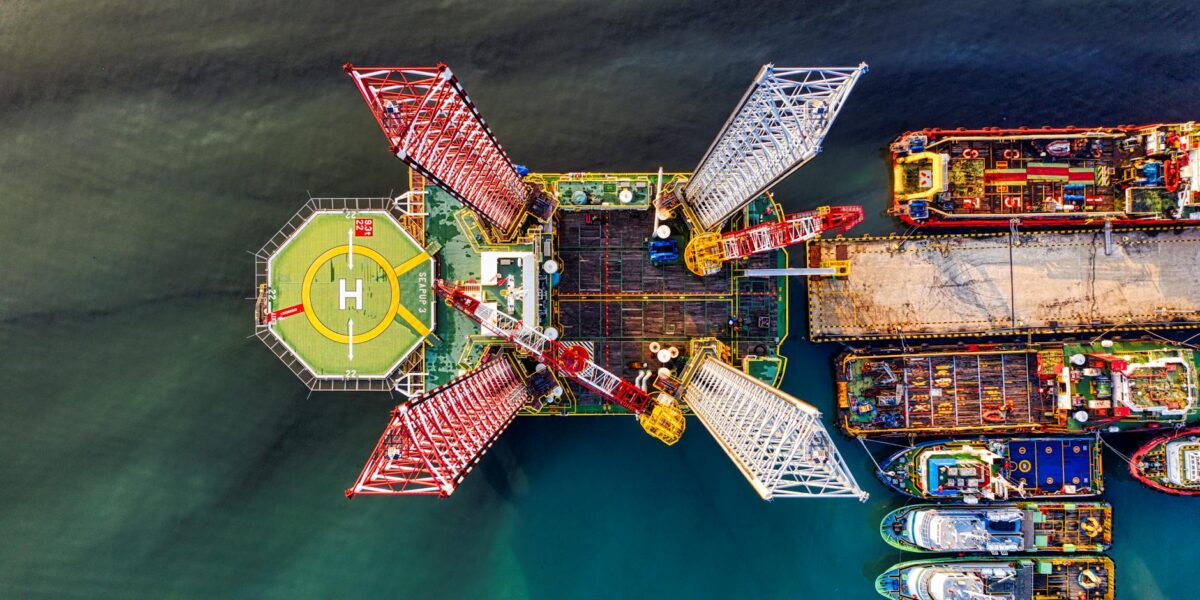
Asian stock markets tumbled on Monday as the United States and Iran issued fresh threats to escalate military confrontation, sending shockwaves through global financial markets and raising fears of severe supply disruptions in crude oil. The International Energy Agency chief warned that the conflict could trigger the world's worst energy crisis in decades, potentially surpassing the upheavals seen during the 1970s oil shocks.
Tensions between Washington and Tehran have reached dangerous new levels following a series of drone strikes and counterstrikes over the past week. Both nations have threatened further military action, with Iran warning it could close the Strait of Hormuz—the critical waterway through which nearly 21 million barrels of oil pass daily, roughly a fifth of global consumption.
For India, which imports over 85 percent of its crude oil requirements, the escalating crisis poses an immediate threat to economic stability. The Sensex fell 647 points in early trading today, with energy and banking stocks leading the decline as investors rushed to safe-haven assets.
What Happened
The latest escalation began when US forces conducted airstrikes on Iranian military facilities in response to what Washington called "imminent threats" to American personnel in the region. Iran's Revolutionary Guard retaliated with drone attacks on shipping vessels near the Strait of Hormuz, temporarily disrupting oil transit through the strategic chokepoint.
International Energy Agency Executive Director Fatih Birol issued a stark warning during an emergency meeting in Paris, stating that a prolonged conflict could create energy shortages not seen since the Arab oil embargo of 1973. Brent crude prices spiked 8.4 percent to $94 per barrel on Monday morning, the highest level since early 2024.
Major Asian indices reflected growing panic over potential supply chain disruptions. Japan's Nikkei dropped 2.3 percent, Hong Kong's Hang Seng fell 2.8 percent, and South Korea's Kospi declined 2.1 percent. European futures also pointed to a weak opening, with investors bracing for volatility ahead of emergency meetings scheduled between Western allies this week.
Why India Should Care
The Iran war India impact extends far beyond fluctuating stock prices. India depends heavily on Middle Eastern crude, with approximately 46 percent of oil imports coming from the Persian Gulf region. Any prolonged closure or disruption of the Strait of Hormuz would force Indian refiners to source crude from more expensive alternative routes or suppliers, directly pushing up pump prices.
Energy analysts estimate that sustained crude prices above $95 per barrel could increase petrol and diesel costs by ₹15-18 per litre within 30 days if global supply disruptions persist. Such a spike would cascade through the entire economy—transportation costs would surge, food prices would climb as logistics expenses mount, and manufacturing input costs would jump significantly. This scenario could push India's retail inflation beyond the Reserve Bank of India's comfort zone of 6 percent, potentially forcing emergency monetary policy interventions.
The Iran war India impact also threatens the country's fiscal stability. The government has managed to keep fuel subsidies relatively contained over the past year, but a sudden energy crisis would force difficult choices between allowing politically sensitive price increases or absorbing costs through subsidies that strain the budget deficit. Finance Ministry officials are reportedly preparing contingency plans, but options remain limited given India's structural dependence on imported energy.
Beyond fuel, India's trade deficit would widen sharply. The country already faces a merchandise trade gap exceeding $25 billion monthly, and higher oil import bills could add another $3-5 billion per month if prices remain elevated. This would put pressure on the rupee, potentially weakening it against the dollar and making all imports more expensive—from electronics to edible oils.
What This Means For You
If you're an Indian professional or household consumer, immediate preparation is advisable. First, expect retail inflation to accelerate over the next quarter, particularly affecting transportation, food delivery services, and everyday groceries that depend on logistics networks. Budget-conscious families should consider stocking up on non-perishable essentials now, before supply chain costs fully translate into retail prices.
For investors, portfolio diversification away from rate-sensitive sectors becomes critical. Banking and real estate stocks typically underperform during oil-shock scenarios as interest rate concerns mount. Conversely, domestic energy companies—particularly those with upstream oil and gas assets—may benefit from higher prices. Gold and government bonds traditionally serve as safe havens during geopolitical crises, and the Iran war India impact suggests allocating 15-20 percent of portfolios toward these defensive assets makes tactical sense.
Salaried professionals should delay major discretionary purchases and EMI commitments for the next 60-90 days until the situation stabilizes. If energy inflation persists, the RBI may be forced to pause its rate-cutting cycle or even reverse course, making borrowing more expensive just when household budgets face pressure from higher living costs.
What Happens Next
The immediate focus shifts to diplomatic efforts and whether the United States and Iran can step back from the brink. A United Nations Security Council emergency session is scheduled for Wednesday, though expectations for breakthrough agreements remain low given the deep-seated animosities. Oil markets will watch closely for any signs of Iranian attempts to mine or blockade the Strait of Hormuz, which would represent a dramatic escalation requiring coordinated international response.
India's Ministry of Petroleum and Natural Gas is likely to hold emergency consultations with the Prime Minister's Office on strategic petroleum reserve utilization. India maintains roughly 12 days of crude reserves in underground caverns, which could provide temporary cushion but would quickly deplete in an extended crisis. Simultaneously, Indian diplomats are expected to intensify engagement with Saudi Arabia, the UAE, and the United States to secure alternative supply arrangements and moderate regional tensions.
For markets, volatility will remain elevated until clear de-escalation signals emerge. Watch for statements from OPEC+ nations—particularly Saudi Arabia—regarding emergency production increases to offset potential Iranian disruptions. Any coordinated announcement of additional supply could calm markets temporarily, though the underlying geopolitical tensions would persist as long-term risk factors affecting the Iran war India impact calculations.
Here’s what I think most people are getting wrong about this crisis. Everyone’s focused on whether war actually breaks out, but the Iran war India impact is already hitting your wallet—today, not someday. Crude at $94 means fuel price revisions are coming within two weeks regardless of whether missiles fly or diplomacy succeeds. The damage is done.
What this really means for your money: stop waiting for clarity and act on probabilities. First, if you’ve been planning that car purchase, accelerate it this week before both vehicle prices and running costs jump simultaneously. Second, move 20 percent of equity holdings into defensive sectors—pharma, IT services, FMCG—that have pricing power during inflation spikes. Third, prepay that home loan chunk you’ve been postponing; rates have peaked only if energy stays calm, and that’s no longer the base case.
My view after watching this develop: India’s energy vulnerability is the silent crisis everyone acknowledges but nobody fixes. We’ve had two decades to diversify supply and accelerate renewables at scale, yet we’re still 85 percent import-dependent and stuck with the same Middle East concentration risk. This week’s market panic should be your personal wake-up call to insulate your finances from policy failures you can’t control. Build that emergency fund to six months of expenses, not three. This won’t be the last energy shock we face.
