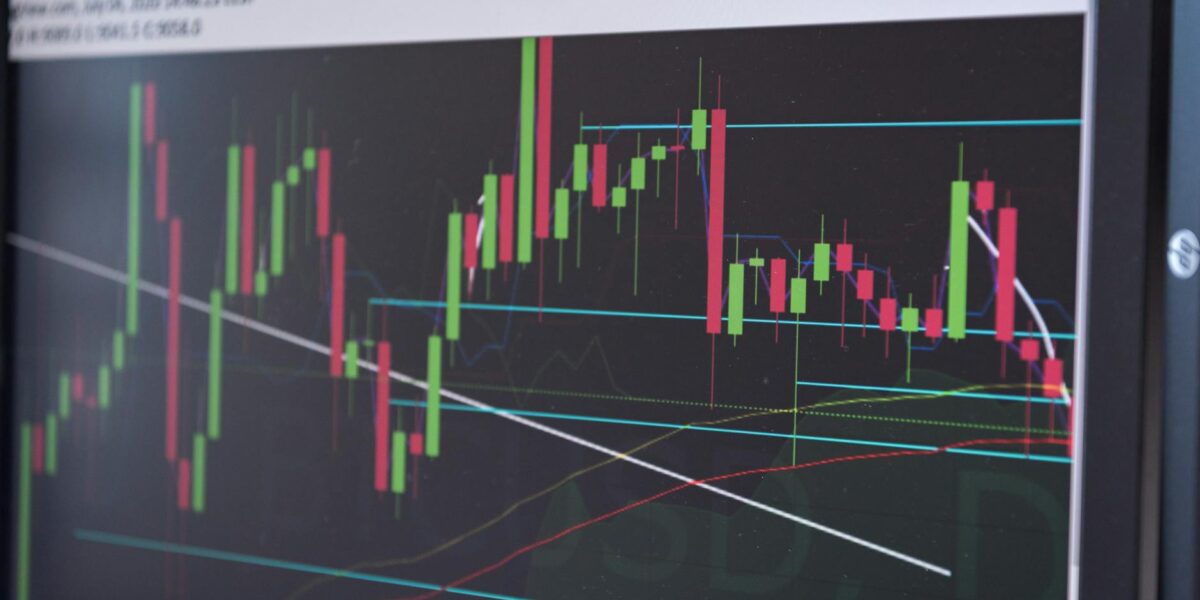
India's benchmark indices are riding a four-day winning streak, with GIFT Nifty futures jumping 700 points in early trade on news of a two-week ceasefire agreement between the US and key global players. The move signals a sharp reversal in risk appetite, cooling geopolitical tensions that have kept crude oil elevated and volatility high. Investors are now watching two critical drivers: the Reserve Bank of India's monetary policy decision and the trajectory of oil prices, both of which carry direct implications for Indian households and corporate earnings.
The GIFT Nifty surge reflects a broader rally in Asian markets as geopolitical uncertainty—a consistent market headwind for the past week—begins to ease. India VIX, the volatility index, fell 3.3% to settle at 24.70 levels, suggesting investors are feeling less nervous. Crude oil prices have ticked down marginally, easing pressure on India's import costs and current account deficit. For a country that imports nearly 80% of its oil, any softening in crude is a direct economic win.
The timing matters. India's market has been watching global risk factors closely while domestic attention shifts to the RBI's next move on interest rates. A ceasefire-driven rally could shift sentiment just as monetary policy decisions come into focus, creating a complex Nifty market analysis backdrop for professional traders and retail investors.
What Happened
Global tensions eased significantly overnight after a two-week ceasefire agreement was announced, catching most markets off guard on the positive side. The news rippled through Asian exchanges first, lifting sentiment before Indian markets opened. GIFT Nifty futures, which trade in Singapore and give an early indication of how India's Nifty 50 index will open, surged 700 points—roughly a 3% move on the benchmark. This is not a massive daily gain, but it is meaningful when you consider it comes after markets have already climbed for three consecutive sessions.
The ceasefire is geopolitically significant because it removes near-term escalation risk from markets. Over the past fortnight, rising tensions had kept crude oil in the $115-120 per barrel range, up from historical averages around $80-90. Every dollar increase in Brent crude translates to roughly ₹80-100 crore in additional import costs for India annually. A two-week breather suggests negotiations are progressing, which could eventually lead to longer-term stability in oil markets. India's market had been pricing in worst-case scenarios; this deal opens the door to repricing based on more optimistic assumptions.
The India angle here is direct and measurable. India runs one of the world's largest current account deficits, driven largely by oil imports. When crude prices spike, the rupee weakens, imported inflation rises, and the RBI faces pressure to tighten monetary policy. A ceasefire that could lead to lower oil prices would ease all three of these pressures simultaneously. Markets are betting on this outcome, which is why the rally extends beyond just headline euphoria.
Why India Should Care
Oil prices directly hit the pocket of every Indian consumer. When crude rises, petrol and diesel follow within weeks. A sustained period of higher crude would push inflation above the RBI's 4% target, forcing interest rate hikes that would hurt borrowers with home loans, car loans, and business credit. The current rally assumes crude will normalize, which would keep inflation under control and give the RBI more flexibility in its policy approach.
For Indian investors, the geopolitical stabilization matters because it reduces tail risk in equity portfolios. Over the past week, many professionals had been reducing exposure to volatile sectors like energy and aviation, worried that further escalation would crash consumption. A ceasefire allows fund managers to re-risk their portfolios, which explains why indices are climbing so sharply. If you have been underweight equities due to geopolitical concerns, today's Nifty market analysis suggests you may need to rethink that positioning.
Corporate India also benefits from lower crude oil prices because input costs come down. Logistics, transportation, and petroleum-dependent industries see margins expand when crude falls. Airline stocks, for instance, can add 2-3% to earnings if crude drops $5 per barrel. This second-order effect is why markets are pricing in sustained gains if the ceasefire holds.
What This Means For You
If you are a salaried professional with loans, lower oil prices and stable interest rates are your friends. The RBI is more likely to pause rate hikes if inflation stabilizes, which means your EMI could stay flat instead of climbing. A 50 basis point rate cut in the next two quarters—possible if crude stays below $100—would save you roughly ₹4,500-6,000 annually on a ₹50 lakh home loan.
If you are an active investor or trader, the Nifty market analysis for today suggests elevated volatility could persist even with this rally. A 700-point jump is not unusual when risk sentiment flips sharply, but it also means whipsaw moves are possible if new headlines emerge. The RBI policy decision—expected within the next 48 hours—could either accelerate this rally or reverse it sharply. Do not chase this move blindly. Instead, use any rallies to rebalance portfolios that got underexposed during the selloff. If you have been sitting on cash waiting for clarity on geopolitics and monetary policy, today's move suggests both anchors are becoming clearer.
What Happens Next
The ceasefire is only two weeks long, which means we are not out of the woods yet. Markets are assuming negotiations progress and the ceasefire extends beyond two weeks, but that is not guaranteed. Any headline suggesting the talks have stalled or broken down could reverse today's gains quickly. India VIX is still elevated at 24.70, suggesting traders are still pricing in meaningful downside risk.
The RBI monetary policy decision is now the next critical event. If the central bank signals that inflation is under control thanks to lower oil prices, and hints at potential rate cuts, we could see a sustained rally that carries Nifty 50 to fresh highs. Conversely, if the RBI remains hawkish or suggests it is too early to declare victory on inflation, we could see profit-taking drag markets lower. Watch for the RBI's language on crude oil price assumptions and inflation forecasts. That will set the tone for the next 4-6 weeks of market direction.
—
Two weeks is not a ceasefire. Two weeks is a negotiation window. And markets are behaving as if global tensions have been solved for the next decade. That disconnect—between a 700-point rally and a two-week breathing room—is exactly where professional investors should be hunting for edge.
Here is what I am watching specifically. First, crude oil below $105 per barrel is the real story, not the geopolitical headlines. If crude stays above $110, the RBI will not cut rates, and this Nifty market analysis rally will fizzle in May. Check crude prices every morning before you make allocation decisions. Second, the RBI’s tone on inflation will matter far more than the ceasefire itself. If the central bank signals it is done hiking and sees a path to cuts, allocate fresh money to high-quality large-cap and mid-cap stocks immediately. Do not wait for confirmation. Third, do not add to positions today just because GIFT Nifty is up 700 points. Wait for the opening bell volatility to settle and the RBI policy statement. That is when real direction emerges. The next 10 trading days are not about euphoria—they are about watching whether crude, inflation, and RBI policy all align. If they do, we are looking at a ₹50-75 lakh crore rally in equity markets. If they don’t, this 700-point jump is a head fake.
