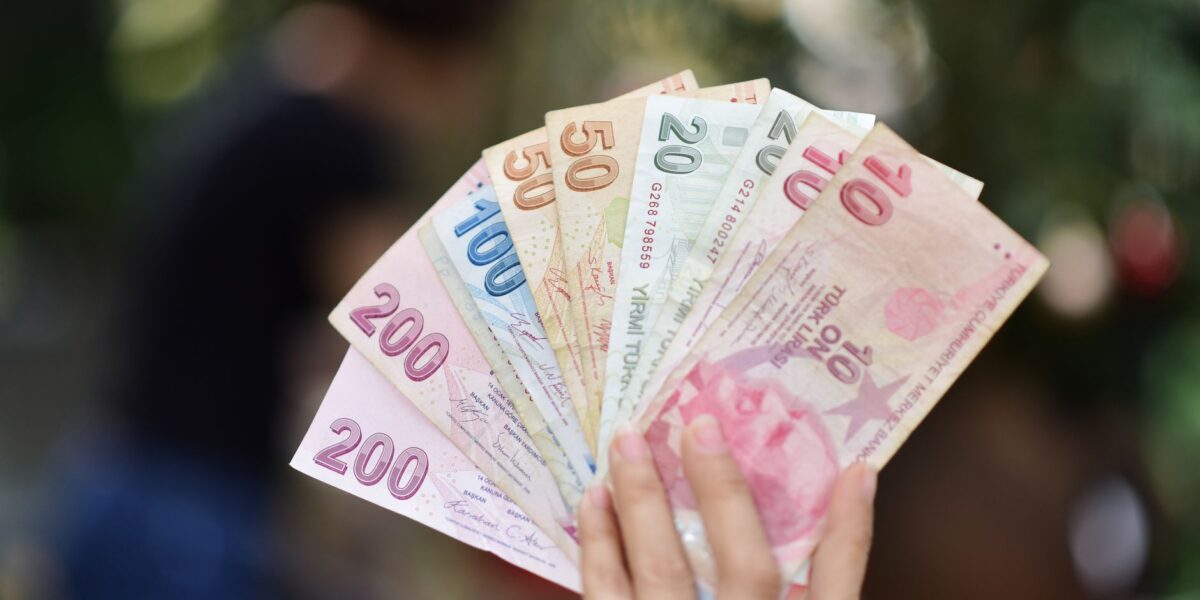
The Indian rupee rallied 21 paise on Tuesday, closing at 96.24 against the US dollar—a meaningful move in a currency that typically shifts in fractional increments. The strengthening came on the back of lower crude oil prices and sustained foreign exchange inflows into India's dedicated investment programs, signaling a rare alignment of favorable conditions for the domestic currency. State-run banks provided additional support by selling dollars around the 96.42 level, anchoring volatility during a trading session marked by narrow ranges and cautious positioning.
The move matters because it reflects a shift in India's external account dynamics—lower oil import bills reduce dollar demand, while foreign capital inflows provide fresh dollar supply that strengthens the rupee. Dedicated programs designed to attract overseas investment have accumulated nearly $21 billion, according to official data. This combination has created technical support for the currency at levels that seemed unlikely just months ago, when the rupee was trading weaker and inflation concerns dominated market conversations.
For professionals managing cross-border portfolios, currency movements carry real cost implications. A stronger rupee reduces the dollar value of Indian investments when converted back, but also means cheaper import costs for companies—a dynamic that affects equity valuations, export competitiveness, and the overall attractiveness of India as an investment destination. This Tuesday's rally is not a one-day spike but rather a reflection of sustained structural flows that warrant attention from anyone with exposure to Indian markets or planning international financial moves.
What Happened
The rupee's 21 paise appreciation to 96.24 represents the currency's response to a confluence of factors. Crude oil prices, which had remained elevated through the first half of 2026, began retreating, reducing India's import bill and lowering demand for dollars needed to pay for oil purchases. In an economy where energy imports account for a significant portion of total merchandise imports, oil price movements translate directly into foreign exchange demand, making them a primary driver of rupee direction.
Simultaneously, foreign direct investment and portfolio flows into India's dedicated investment programs—likely referring to recent government initiatives aimed at attracting overseas capital—have accumulated approximately $21 billion. This represents genuine fresh dollar supply entering the Indian financial system, which naturally pushes the rupee stronger as foreign investors convert their home currencies into rupees to invest. The two forces—reduced dollar demand from lower oil bills and increased dollar supply from foreign investment—created the backdrop for Tuesday's move.
State-run banks actively participated in the rupee's support by selling dollars around 96.42 levels. This is a classic central bank or authorized dealer intervention strategy—selling the foreign currency when the rupee weakens to a predetermined support level, thereby preventing disorderly depreciation and anchoring expectations. The fact that these sales were noted in the 96.42 range suggests that level had been identified as a key technical support zone. The trading session itself remained orderly, with the rupee confined to a narrow band throughout the day, indicating no panic selling or extreme moves in either direction.
The broader context matters here. Through much of 2025 and early 2026, the rupee faced depreciation pressure from elevated US interest rates, strong dollar flows into the US market, and concerns about India's current account deficit. A rally of 21 paise, while meaningful in percentage terms for currency traders, also signals that some of these headwinds may be moderating. Lower oil prices, in particular, address one of the structural challenges that had weighed on India's external accounts—the country's energy import dependence.
Why It Matters For Professionals
For investment professionals managing assets in India or with cross-border exposure, currency movement directly impacts returns. A stronger rupee reduces the rupee value of dollar-denominated earnings when repatriated, but it also improves the competitiveness of Indian exporters and reduces the cost of imported inputs for domestic manufacturers. Equity analysts covering Indian companies have long debated the optimal rupee level—stronger is better for consumer demand and imported input costs, but weaker is better for export margins.
Tuesday's rally to 96.24 sits in a zone that benefits most Indian businesses, particularly those in pharmaceuticals, IT services, and engineering. A stronger rupee means their dollar earnings convert to more rupees, but only marginally (since rupee strength typically happens gradually), while their competitive position in global markets remains intact. For multinational corporations with operations in India, a stronger rupee makes it more expensive to fund operations from overseas, but also means better returns when profits are repatriated.
Professionals with liquid savings face an immediate question: should the expectation of further rupee strength change their investment decisions? A rupee trading at 96.24 has already largely priced in the current level of oil prices and known foreign inflows. The real opportunity comes if the rupee continues to strengthen beyond 96 levels—though this would require either further oil price declines or even larger foreign investment flows. The narrow trading range suggests the market is not yet convinced of a major directional move, meaning traders and investors should be cautious about betting heavily on continued appreciation.
For professionals based in India planning overseas investments or education, a stronger rupee is beneficial—their rupee savings go further in dollar terms. However, professionals based abroad planning to invest in India or send money home face higher conversion costs at the moment. The timing of such conversions becomes more tactical when the currency is range-bound rather than in a clear trend.
What This Means For You
If you hold rupee-denominated savings and are considering diversifying into dollar assets—perhaps to fund overseas education, emigration, or international investments—the current rupee strength suggests this may be a reasonable time to lock in conversions. A rupee at 96.24 is stronger than it was months ago, and further strength is not guaranteed, particularly if oil prices stabilize or foreign flows slow. Dollar-cost averaging over the next few months may be a prudent approach rather than attempting to time a single conversion.
Conversely, if you hold dollar assets and are planning to repatriate them to India, the stronger rupee means your dollars convert to fewer rupees than they would have at weaker levels. This creates an incentive to wait if your timeline permits, betting on potential rupee weakness ahead. However, currency forecasting is notoriously unreliable for short-term traders, so this strategy works only if you have genuine flexibility in your timeline and are not dependent on the funds immediately.
For investors with equity portfolios concentrated in India, the stronger rupee is generally positive news in the medium term—it suggests external account pressures are easing and foreign investor confidence is returning. If you've been underweight on India relative to your strategic allocation, a stronger rupee alongside improving macro conditions may warrant a rebalance back toward your target weight. The key is distinguishing between short-term currency moves and genuine medium-term shifts in India's investment appeal.
What Happens Next
The rupee's trajectory over the coming weeks will depend on whether the supporting factors from Tuesday—lower oil prices and sustained foreign inflows—continue. Crude oil, which has become increasingly volatile due to geopolitical uncertainties, could reverse direction, weakening the rupee if prices spike. Similarly, foreign investment flows, while currently robust at $21 billion into dedicated programs, could slow if global risk appetite deteriorates or if higher interest rates elsewhere attract capital away from emerging markets.
Central banks and forex management teams across India will likely continue calibrating their interventions, using support and resistance levels to prevent disorderly moves in either direction. The 96.24 level, if it holds, becomes a new technical reference point. If the rupee breaks above 96 on a sustained basis, the next target would likely be the 95.50 level, which would represent meaningful strengthening. Conversely, if oil prices spike or foreign flows slow, the rupee could revert toward 96.50 or weaker.
Over the next 90 days, the Reserve Bank of India's monetary policy stance, inflation data, and global interest rate expectations will become increasingly important. If the RBI signals further rate cuts (consistent with moderating inflation), the rupee could strengthen further on the basis of improving economic conditions in India relative to other emerging markets. The outlook hinges less on Tuesday's move and more on whether the underlying drivers—oil prices and capital inflows—represent sustainable shifts or temporary fluctuations.
3 Frequently Asked Questions
Does a stronger rupee mean inflation will increase?
A: Not necessarily. A stronger rupee makes imported goods cheaper, which actually exerts downward pressure on inflation—particularly for energy and manufactured imports. However, it makes Indian exports more expensive globally, which could reduce export competitiveness and dampen economic growth. The net inflation impact depends on whether the economy is more sensitive to import costs or export demand, and this varies by sector. For the overall economy, a stronger rupee is generally disinflationary in the short term.
Should I wait for the rupee to strengthen further before converting my dollars to rupees?
A: This depends on your timeline and certainty. If you need the funds within the next 30-60 days, attempting to time the rupee is likely to backfire—currency moves are unpredictable over short periods, and the 21 paise move on Tuesday represents a small fraction of potential volatility. If you have a flexible timeline (6-12 months) and genuine conviction that the rupee will continue strengthening, rupee-cost averaging—converting in tranches over time—is more prudent than a single lump-sum conversion. Always separate your investment timeline from your currency conversion timing; they are two different decisions.
How does a stronger rupee affect Indian IT and pharmaceutical companies' earnings?
A: Both sectors earn significant revenues in foreign currencies (mainly US dollars), so a stronger rupee reduces the rupee value of those foreign earnings when consolidated. For example, if an IT services company earns $100 million, at a rupee rate of 96 it converts to ₹9,600 crore, but at 97 it converts to only ₹9,700 crore—less than proportional. However, a stronger rupee typically reflects improving economic conditions and foreign investor confidence in India, which benefits these sectors' growth prospects. The earnings headwind from currency strength is usually offset by better business visibility, higher demand, and pricing power over longer periods.
Why is no one talking about what $21 billion in foreign inflows actually means for India’s investment narrative in 2026? This number—accumulated in dedicated programs attracting overseas capital—signals that international money is not just returning to India, it’s institutionalizing its presence. A stronger rupee on lower oil prices is tactically interesting for traders. But a sustained $21 billion inflow program is strategically significant for the economy. It means foreign investors are no longer dipping toes; they’re committing capital to long-term India plays.
If you manage a portfolio with India exposure, stop waiting for “confirmation” that the rupee floor has been set. It has—by foreign capital flows, not by central bank speeches. Move 20-30% of any planned India allocation now, while the rupee remains sub-96.50. Dollar-cost averaging the remainder over the next quarter makes sense, but being completely underweight India right now is a positioning error. The real move is not in the rupee hitting 96.24. The real move is in what that 96.24 tells you about foreign investor conviction. Act on that conviction.
