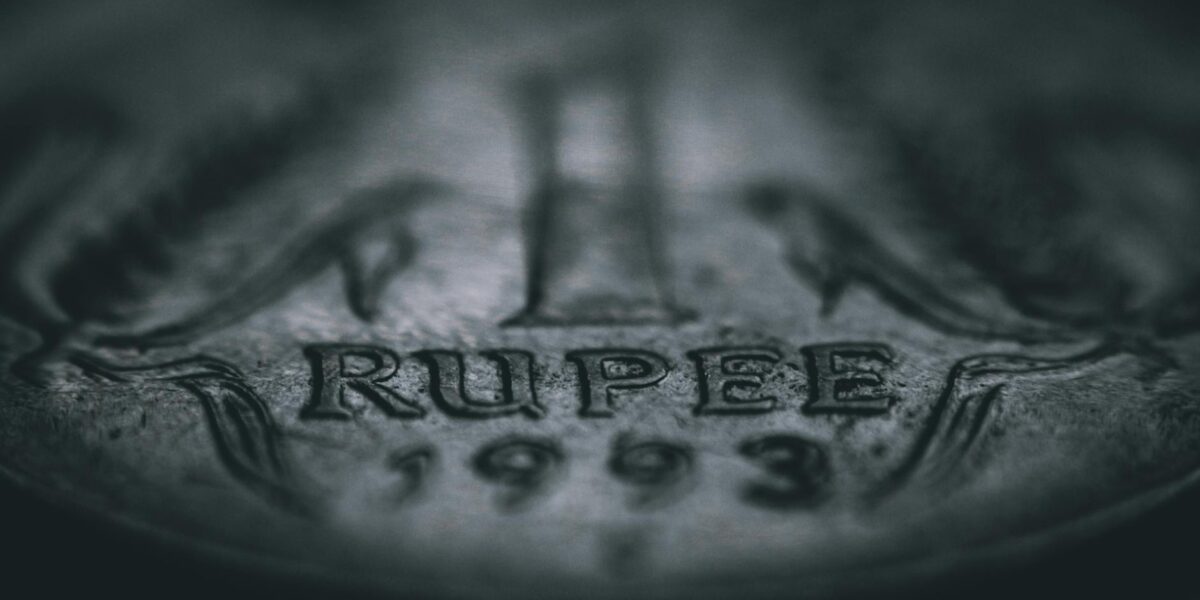
India's rupee is inches away from a historic threshold. If geopolitical tensions in the Middle East escalate further, the rupee could breach the 100 per dollar mark for the first time, according to market analysts tracking currency volatility. The immediate trigger is simple: oil prices are climbing, and every dollar spike in crude translates directly into rupee weakness, imported inflation, and pressure on India's current account.
This is not a distant threat. Market pricing already reflects trader expectations of further rupee depreciation. Currency futures show positioning for continued losses, while the RBI's foreign exchange reserves—while substantial—can only offer temporary relief. The rupee fall reason India faces today is structural: an oil shock abroad, a wider trade deficit at home, and a currency market that is repricing Indian assets downward.
The stakes are personal for India's 35 million investors, 500 million working professionals, and every household paying for fuel and imported goods. A weaker rupee means costlier imports, higher inflation, and pressure on asset prices. This article breaks down what's happening, why it matters to you, and what to watch.
What Happened
Oil prices have surged on the back of escalating Iran-related geopolitical risks in the Middle East. Brent crude has climbed sharply, and analysts warn that any further escalation—military action, port closures, or supply disruptions—could push prices even higher. India imports nearly 85% of its oil, making every $10 move in crude prices a direct hit to the nation's import bill.
When oil gets expensive, India needs to spend more dollars to pay for it. That increases demand for dollars in the foreign exchange market, pushing the rupee weaker. Simultaneously, elevated oil prices feed into inflation—petrol and diesel costs rise, transportation costs spike, and manufacturing becomes more expensive. This inflation makes Indian assets less attractive globally, causing foreign investors to sell rupees and take their money elsewhere.
Currency analysts are now pricing in a move toward 100 rupees per dollar. Some projections suggest the rupee could test even weaker levels if tensions escalate further. The RBI has tools—it can intervene using reserves, raise interest rates, or tighten liquidity—but these are temporary measures. They cannot fix the underlying problem: India needs oil, oil is getting expensive, and that structural weakness is now reflected in the currency.
Why India Should Care
A weaker rupee is not abstract economics. It hits three areas immediately: your costs, your investments, and your job prospects.
**On your wallet:** A 50 paise depreciation might sound small, but it compounds fast. Petrol prices will rise. Imported medicines will cost more. Your smartphone, which uses imported components, will get pricier. Airline tickets, international shipping, food imports—all climb. For a household spending ₹50,000 monthly, a weaker rupee can add ₹2,000-3,000 to annual costs within months.
**On inflation:** The RBI targets 4% inflation, but oil shocks can push it to 6-7% quickly. Higher inflation erodes savings. If you have ₹10 lakhs in a fixed deposit earning 6.5%, inflation at 6% means your real returns are near zero. Savings lose purchasing power. The rupee fall reason India faces today will show up in your grocery bills by summer.
**On investment returns:** A weaker rupee makes Indian stocks less attractive to foreign portfolio investors. FPIs have already been cautious; a rupee crisis could trigger selling. Your mutual funds and stock portfolio may face headwinds. Conversely, exporters benefit—IT companies, pharma, textiles get a competitive boost. But most Indians are not exporters; most are consumers and savers.
**On corporate earnings:** Companies that import raw materials face margin pressure. Refineries, automotive, electronics—all suffer. Stock prices of import-heavy sectors typically fall when the rupee weakens. If your portfolio is heavy in banking and consumer discretionary (which it likely is), a rupee crisis is a portfolio headwind.
What This Means For You
**If you're an investor:** The next 60-90 days matter. A rupee crisis typically brings stock market correction of 8-12%. This is not a reason to panic—it's a reason to prepare. Review your portfolio allocation. If you're overweight in rupee-sensitive sectors (discretionary consumer, imported components), consider rebalancing. Conversely, exporters and IT services are relative winners in a weak rupee scenario. Dollar-denominated investments (NRI accounts, foreign funds) actually benefit from rupee weakness, so some hedging via external assets makes sense if you have the capacity.
**If you're planning major purchases:** A weak rupee makes EMIs costlier if rates rise. Car loans, home loans—all become expensive. If you've been considering a big purchase (home, vehicle, education abroad), timing matters. The next 3-4 months could see rate hikes as the RBI tries to defend the rupee. Lock in rates now if possible.
**If you hold cash:** A prolonged weak rupee environment erodes cash value. Sitting in savings accounts earning 3-4% while inflation runs at 6% is a losing bet. Move into assets that retain value: real assets, inflation-protected securities, or diversified funds. Gold typically benefits from currency weakness and inflation, making it a reasonable hedge for a 3-6 month period.
What Happens Next
The immediate trigger to watch is oil prices and Iran tensions. Any military action or port closures in the Strait of Hormuz would send oil to $100+, likely pushing the rupee toward 100 or beyond. The RBI will likely defend the rupee aggressively in the 99.50-100 zone using reserves and liquidity tools, but these measures are temporary.
Over the next 90 days, expect volatility. The rupee may oscillate between 98.50 and 99.50, with occasional spikes toward 100. The RBI may eventually raise rates by 25-50 basis points to defend the currency, but this will slow growth slightly. By mid-year, if oil prices stabilize, the rupee may recover some ground. If tensions persist, the weaker rupee is here to stay.
Currency crises are rare in India because reserves are large, but prolonged weakness—rupee at 99-100 for months—is entirely possible. Watch the RBI's monthly forex statement, oil price trends, and FPI flows. These three numbers tell you where the rupee is heading.
The rupee fall reason India faces today is oil, but it’s really about something deeper: India’s dependence on imported energy and a current account that leaks dollars whenever global commodities spike. The RBI can defend the currency, but they cannot defy physics. If oil stays expensive, the rupee stays weak. That’s the trade-off.
Here’s what I’d do if I had money deployed today. First, if you have a 6-12 month investment horizon and you’re sitting in cash or short-term bonds, move 30-40% into quality exporters and IT services—they win in a weak rupee environment. The Nifty IT index will outperform. Second, lock in borrowing costs now. If you have a floating-rate loan or you’re planning to borrow, fix your rates before the RBI tightens further. Third, check your FX exposure. If you have dollar income (NRI, freelancer, consultant), this is actually a windfall—the rupee weakness boosts your rupee earnings by 2-3% immediately. Stop hedging and keep the exposure for the next quarter.
The bigger insight: the rupee at 100 per dollar is not a catastrophe. It’s a re-rating of India’s macroeconomic reality. What matters is whether this is a temporary shock (oil normalizes, 2-3 months) or a structural trend (oil stays high, rupee stays weak for a year). That’s the question I’m tracking, and you should too.
