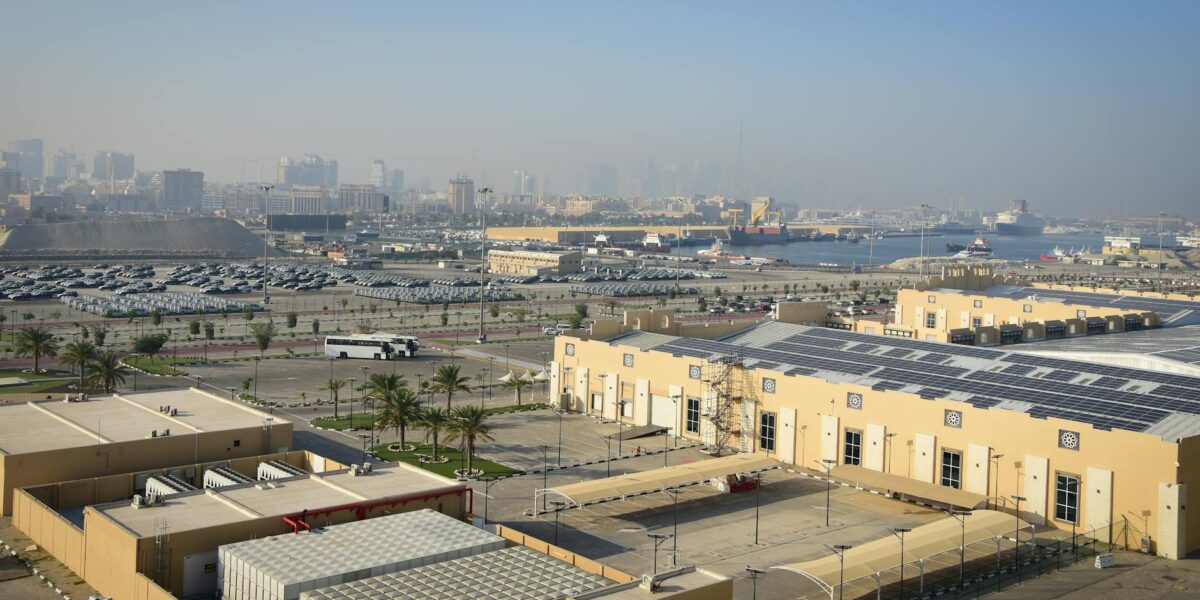
Indian stock markets suffered their worst single-day fall in months on Monday, with the Sensex plummeting over 1,400 points and the Nifty slipping below the critical 22,700 mark. The massive selloff erased approximately Rs 5 lakh crore in market capitalisation, sending shockwaves through investor portfolios and signalling deeper concerns about global stability and domestic economic resilience.
The benchmark BSE Sensex closed deep in the red, dragged down by across-the-board losses spanning all major sectors from banking and IT to auto and pharma. The NSE Nifty 50 index mirrored the sharp decline, with market breadth turning decisively negative as sellers overwhelmed buyers throughout the trading session. This marks one of the steepest single-day corrections in Indian equities this year.
The crash comes at a particularly sensitive time for Indian investors, many of whom had been riding a months-long bull run. With escalating geopolitical tensions threatening to disrupt global trade routes and commodity supplies, the India angle is impossible to ignore. The country's heavy dependence on crude oil imports makes it especially vulnerable to Middle Eastern instability, and Monday's market reaction reflects growing anxiety about what sustained conflict could mean for inflation, interest rates, and corporate earnings.
What Happened
Six distinct factors converged to trigger Monday's market bloodbath. First and most significant, the sharp escalation in tensions between Iran, the United States, and Israel over the weekend sent risk-off sentiment cascading through global markets. Reports of military posturing near the Strait of Hormuz, through which nearly 20 percent of global oil supplies transit, sparked immediate concerns about supply disruptions.
Second, the Indian rupee weakened noticeably against the dollar, breaching key psychological levels and adding to investor nervousness. A weaker rupee makes imports more expensive, particularly crude oil, which forms a major component of India's import bill. Third, foreign institutional investors turned net sellers, pulling money out of Indian equities amid the heightened geopolitical uncertainty. Fourth, concerns about rising crude oil prices began to materialise, with Brent crude futures jumping sharply in early Asian trading.
Fifth, technical factors played their part as the Nifty broke below crucial support levels, triggering stop-loss orders and algorithmic selling that accelerated the downward spiral. Sixth, disappointing corporate earnings guidance from select heavyweight companies released late Friday added fuel to the fire, though the geopolitical situation clearly dominated sentiment. The confluence of these factors created a perfect storm that even seasoned market veterans found difficult to navigate.
Why India Should Care
The Iran war oil prices India equation is straightforward and concerning. India imports roughly 85 percent of its crude oil requirements, making it one of the world's most vulnerable major economies to Middle Eastern supply disruptions. Any sustained spike in crude prices directly translates into higher petrol and diesel costs, which cascade through the entire economy via transportation and manufacturing sectors.
If the Iran-US-Israel conflict escalates further and disrupts oil flows through the Strait of Hormuz, analysts estimate crude could surge past $100 per barrel within weeks. For Indian consumers, this could mean petrol prices rising by Rs 12-15 per litre and diesel by Rs 10-12 per litre. Such an increase would devastate household budgets already stretched by inflation, force the Reserve Bank of India to reconsider its monetary policy stance, and potentially derail India's GDP growth trajectory for the fiscal year.
Beyond fuel prices, the broader economic implications are severe. Higher input costs would squeeze corporate margins across sectors, particularly for airlines, logistics companies, and paint manufacturers. The fiscal deficit could widen as the government faces pressure to absorb some of the price shock through tax cuts or subsidies. Most critically, sustained elevated oil prices could reignite inflation just as it appeared to be moderating, forcing the RBI to keep interest rates higher for longer and impacting everything from home loans to business expansion plans.
What This Means For You
For individual investors holding equity portfolios, this crash demands immediate attention but not panic. The knee-jerk reaction to sell everything is rarely the right move, but neither is ignoring the changed risk landscape. If you have significant exposure to sectors directly vulnerable to higher oil prices like aviation, paints, or logistics, it may be prudent to review those positions and consider trimming or hedging.
Conversely, this volatility creates opportunities in defensive sectors and companies that benefit from higher crude prices. Oil marketing companies with inventory gains, renewable energy firms that become more competitive as fossil fuel costs rise, and domestic consumption plays less exposed to global trade disruptions could offer relative safety. The key is distinguishing between temporary volatility and fundamental shifts in the investment thesis.
What Happens Next
The trajectory of Indian markets over the coming weeks hinges almost entirely on how the Iran-US-Israel situation evolves. If diplomatic efforts succeed in de-escalating tensions, markets could recover lost ground relatively quickly, treating Monday's crash as an overreaction. However, if military action intensifies or oil infrastructure becomes targeted, expect sustained volatility and potentially deeper corrections.
Watch three specific indicators closely. First, crude oil futures prices will signal market expectations about supply disruptions. Second, the rupee-dollar exchange rate will reflect currency market stress and capital flow trends. Third, government statements on fuel pricing policy will indicate whether New Delhi plans to shield consumers from price shocks or let market forces operate. These three metrics will determine whether Monday's crash was a one-day anomaly or the beginning of a more prolonged downturn.
Here is what I think most people are getting wrong about this crash. Everyone is focused on whether to buy the dip or stay defensive, but the real question is whether your portfolio is positioned for a sustained oil shock that could last quarters, not weeks. My eleven years at Amazon taught me to plan for multiple scenarios simultaneously, and right now, I am seeing three distinct paths forward with very different implications for your money.
First, immediately stress-test your equity portfolio against a scenario where Brent crude averages $110-120 for six months. Which of your holdings get crushed in that environment? Sell or hedge those positions this week, not after the next 1,000-point drop. Second, if you have been sitting on cash waiting for a correction, deploy 30-40 percent of it into quality large-caps that have fallen 8-10 percent but have pricing power to pass on costs. Do not go all-in yet because we genuinely do not know if the Iran war oil prices India situation deteriorates further. Third, for those with home loan refinancing plans or large purchases on EMI, lock in rates now before the RBI is forced to reverse its stance if inflation rebounds. The Iran war oil prices India correlation is real, immediate, and will hit your wallet within 30-45 days if this escalates. Act while you still have options.
