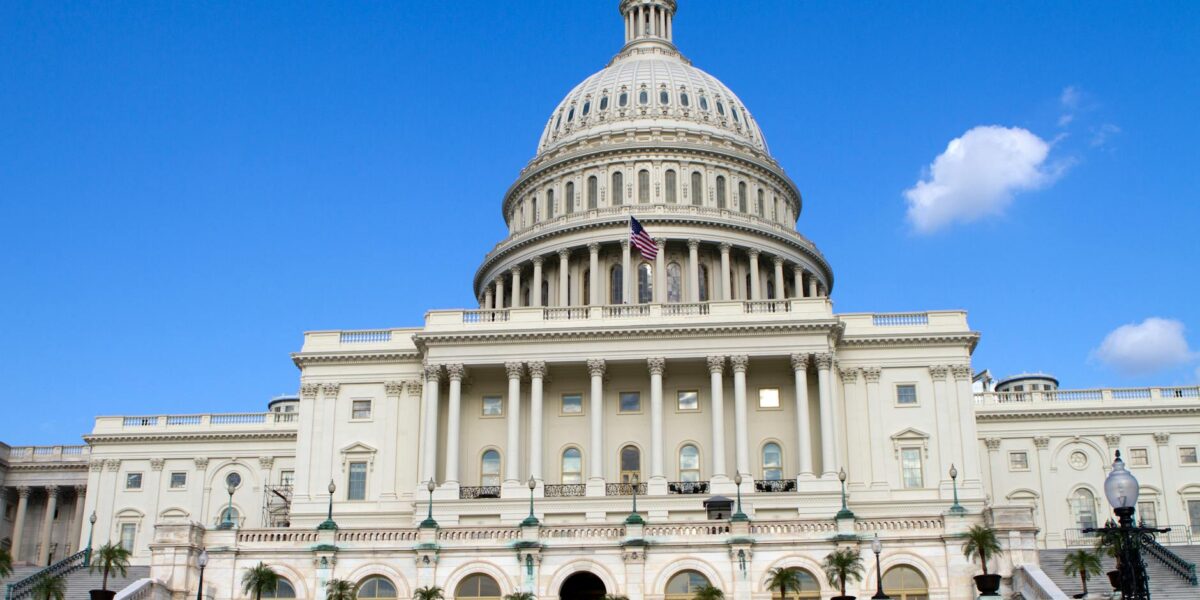
US Secret Service agents shot and killed a suspect outside the White House perimeter on Saturday evening, in what authorities are describing as a security incident that also left one bystander injured. The confrontation occurred at approximately 6:47 PM Eastern Time near the Pennsylvania Avenue checkpoint, marking one of the most serious security breaches at the presidential residence in recent years.
The incident unfolded rapidly as Secret Service personnel responded to what they initially identified as a potential threat near the northwest gate. According to preliminary reports from the US Secret Service Office of Public Affairs, agents discharged their weapons after the suspect allegedly failed to comply with multiple commands and exhibited behavior deemed threatening to the safety of White House personnel and nearby civilians. The bystander, whose identity has not been released, sustained non-life-threatening injuries and was transported to George Washington University Hospital for treatment.
What Happened
The sequence of events began when Secret Service uniformed division officers stationed at the Pennsylvania Avenue checkpoint observed an individual approaching the secure perimeter in what witnesses described as an erratic manner. Multiple sources familiar with the incident indicate that the suspect was carrying what appeared to be a weapon, though officials have not yet confirmed the exact nature of any items recovered from the scene.
Secret Service protocols require agents to issue verbal warnings and follow a graduated response procedure before deploying lethal force. According to the agency's standard operating procedures, agents are authorized to use deadly force only when they reasonably believe there is an imminent threat of death or serious bodily harm to themselves or others. The decision to shoot typically follows multiple failed attempts to de-escalate through verbal commands and other non-lethal measures.
The bystander injury appears to have resulted from either a ricochet or crossfire during the exchange, though the Secret Service has not provided specific details about how the civilian was wounded. Pennsylvania Avenue in the immediate vicinity of the White House was temporarily closed to both vehicular and pedestrian traffic for approximately three hours while investigators processed the scene. The Metropolitan Police Department of the District of Columbia is conducting a parallel investigation, as is standard procedure in officer-involved shootings in the capital.
Why It Matters For Professionals
This incident carries significant implications for security protocols and threat assessment procedures not just at the White House, but across federal facilities and corporate headquarters nationwide. Security professionals and risk management teams at major corporations will likely scrutinize the Secret Service's response procedures as they evaluate their own protocols for handling perimeter threats and unauthorized access attempts.
For professionals working in Washington DC, particularly those employed in government agencies, diplomatic missions, or lobbying firms with offices near the White House complex, this shooting serves as a stark reminder of the heightened security environment that has become increasingly common in the capital. The incident may lead to expanded security perimeters and more stringent access controls in the downtown federal district, potentially affecting commute patterns and client meeting logistics for thousands of professionals who work in the area.
Insurance and risk management sectors should pay particular attention to the bystander injury component of this incident. The fact that a civilian sustained injuries during a law enforcement action near a high-security federal facility raises questions about liability, evacuation protocols, and the adequacy of warning systems for pedestrians in areas adjacent to critical infrastructure. Companies with operations near sensitive government facilities may need to reassess their duty-of-care obligations to employees who regularly work or travel through these zones.
What This Means For You
If you work in or regularly visit areas near federal facilities, familiarize yourself with evacuation routes and shelter-in-place procedures specific to your building or regular work locations. Security incidents near critical government infrastructure can result in sudden lockdowns, road closures, and restricted movement that may last several hours. Having alternative routes and communication plans can prevent extended delays and ensure your safety during emergency responses.
For investment professionals and portfolio managers, incidents like this typically have minimal direct impact on broader markets, but they can influence sector-specific equities. Defense contractors, security technology firms, and companies providing services to federal agencies may see short-term volatility based on speculation about increased security spending. However, these effects are generally transient unless the incident is part of a broader pattern suggesting systemic vulnerabilities.
What Happens Next
The Secret Service will conduct an internal review of the shooting under its Office of Professional Responsibility, a process that typically takes between 30 to 90 days depending on the complexity of the investigation. This review will examine whether agents followed proper escalation procedures, assess the threat level presented by the suspect, and determine if the use of lethal force was justified under agency guidelines and federal law.
Simultaneously, the Metropolitan Police Department will complete its own investigation focusing on the criminal aspects of the incident and the circumstances surrounding the bystander injury. The findings from both investigations will be forwarded to the US Attorney's Office for the District of Columbia, which will determine whether any criminal charges are warranted or if the shooting was legally justified. The identity of the suspect and any potential motive will likely be released within the next 48 to 72 hours, pending notification of next of kin and completion of preliminary forensic analysis.
Congressional oversight committees, particularly the House Committee on Oversight and Accountability and the Senate Committee on Homeland Security and Governmental Affairs, may request briefings on the incident. These committees have jurisdiction over Secret Service operations and typically seek detailed explanations of security protocols following high-profile incidents near the White House. Any significant changes to public access or security perimeters around federal buildings in Washington DC would likely be announced within the next week.
3 Frequently Asked Questions
How common are shootings by Secret Service agents near the White House?
Such incidents are relatively rare but not unprecedented. The Secret Service has been involved in several shooting incidents near the White House over the past decade, though most perimeter security breaches are resolved without the use of lethal force. The agency trains extensively for threat scenarios and follows strict protocols before deploying deadly force. Each shooting incident triggers comprehensive reviews by multiple agencies.
What happens to pedestrians and businesses near the White House after a security incident like this?
Immediate security lockdowns typically last several hours while law enforcement processes the scene and ensures no additional threats exist. Businesses within the closure perimeter must remain shuttered until the all-clear is given, and pedestrians are rerouted around the affected area. Regular access usually resumes within 24 hours unless the investigation reveals ongoing security concerns requiring extended restrictions.
Can civilians injured during Secret Service operations sue for damages?
Civilians injured during federal law enforcement actions may have legal recourse under the Federal Tort Claims Act, which allows individuals to sue the government for personal injury caused by the negligent or wrongful acts of federal employees. However, these cases are complex and involve strict procedural requirements and limitations. The outcome typically depends on whether agents followed proper protocols and whether the force used was reasonable under the circumstances.
The bystander injury is the part of this story that should concern everyone, not the suspect shooting. When security protocols result in civilian casualties, we have moved beyond acceptable risk into systemic failure territory. I have walked past that Pennsylvania Avenue checkpoint dozens of times during my years covering DC policy—thousands of professionals and tourists pass through there daily.
If you work regularly in high-security zones, demand that your employer provide specific active threat training beyond the generic workplace safety presentations. Know where hard cover exists, not just fire exits. Second, if you are visiting Washington DC for business, avoid scheduling meetings within two blocks of the White House, Capitol, or Supreme Court during high-tension political periods. The marginal convenience is not worth the disruption risk.
Third, corporate risk managers need to update duty-of-care protocols for employees working near critical infrastructure. The “it is a public space so we are not liable” defense will not survive the first serious lawsuit when an employee is injured during a security incident you could have reasonably anticipated. Document your security briefings, provide alternative work locations during elevated threat periods, and revise your travel policies accordingly.

[…] of social media-driven overtourism, as Tasman Drive in Gerringong transforms from a locals' secret into an Instagram pilgrimage site. The street, dubbed Australia's "prettiest," now […]
[…] Union Public Service Commission has officially opened its recruitment portal for multiple government positions, marking […]
[…] and related sectors, this case serves as a reminder that duty of care extends beyond basic service delivery to encompass comprehensive protection […]