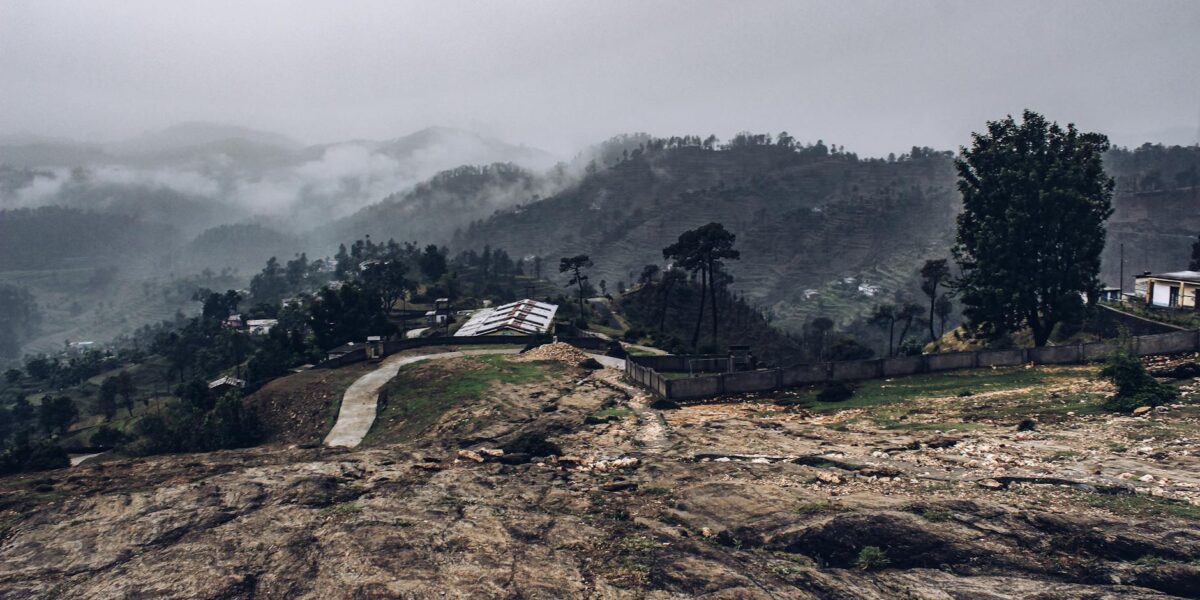
Delhi residents woke up on Sunday morning to an unusual sight more commonly associated with the depths of winter — a thick blanket of fog enveloping the capital in late March. The rare meteorological event occurred following a day of unprecedented rainfall, creating conditions typically unseen in the city at this time of year when temperatures ordinarily begin their sharp climb towards summer.
The fog, which reduced visibility across several parts of the city, emerged from a unique combination of atmospheric conditions. Meteorologists have attributed the phenomenon to residual moisture from Saturday's heavy downpour, humid wind patterns, and the radiative cooling effect of clear skies overnight — a set of circumstances that rarely align during this period of the year.
The event has sparked conversations across the capital about changing weather patterns and climate variability, with many Delhi residents sharing photographs and videos of the fog-shrouded morning on social media platforms. The India Meteorological Department has confirmed the unusual nature of the occurrence, noting that March fog events in Delhi have become increasingly rare over the past two decades.
What Happened
Delhi experienced significant rainfall on Saturday, with multiple weather stations across the city recording precipitation levels unusual for this time of year. As the rain subsided and skies cleared overnight, the temperature dropped sufficiently to create ideal conditions for fog formation. The moisture-laden air from the rainfall, combined with humid winds and the cooling effect of the clear night sky, resulted in water vapour condensing into the dense fog that greeted residents on Sunday morning.
Meteorological experts explain that fog formation requires specific conditions: high humidity levels, light winds, and a temperature drop that allows water vapour to condense. While these conditions are common during Delhi's winter months, particularly in December and January, they are exceptionally rare in March when the city typically experiences rising temperatures and drier atmospheric conditions.
The phenomenon affected several areas of the capital, with residents reporting reduced visibility during early morning hours. The fog began dissipating as solar radiation warmed the surface temperature, a process accelerated by the approaching summer season. By mid-morning, most areas had cleared, though the unusual weather event had already captured widespread attention.
Why India Should Care
Weather anomalies in major metropolitan centres like Delhi carry implications beyond mere curiosity. The capital's infrastructure, transport networks, and daily economic activities are calibrated to seasonal norms. Unexpected weather events, even relatively benign ones like March fog, can disrupt flight schedules, road transport, and outdoor economic activities. Aviation authorities monitor such conditions closely, as reduced visibility can impact flight operations at Indira Gandhi International Airport, one of the busiest aviation hubs in the country.
The broader question this event raises concerns climate variability and its impact on urban planning and infrastructure development. Indian cities have historically operated on predictable seasonal patterns, with infrastructure, agriculture, and economic planning built around these expectations. When weather events occur outside their normal windows, it signals the need for more adaptive systems. For Delhi specifically, this includes air quality monitoring systems, transport logistics, and even energy consumption patterns that typically shift from winter to summer modes by March.
The agricultural sector, particularly in the National Capital Region, also monitors such weather shifts carefully. Unexpected rainfall and fog during this period can affect crop cycles, particularly for vegetables and early summer crops. While a single event may not significantly impact agricultural output, patterns of weather unpredictability require farmers to adapt their practices and potentially invest in different crop varieties or altered planting schedules.
What This Means For You
For urban professionals living in Delhi and similar metropolitan areas, this event serves as a practical reminder to maintain flexible planning during seasonal transition periods. While March has traditionally marked the beginning of summer preparations, the possibility of unexpected weather events means keeping appropriate clothing options available and building buffer time into travel schedules, particularly for airport commutes.
Investors and business owners should note that climate variability increasingly factors into risk assessment models across sectors. Industries dependent on predictable weather patterns — from agriculture and construction to outdoor events and tourism — may need to build additional contingencies into their operational planning. Insurance products and financial instruments that account for weather-related disruptions are likely to see increased relevance.
What Happens Next
The India Meteorological Department will continue monitoring atmospheric conditions as Delhi transitions fully into summer. Meteorologists expect temperatures to rise steadily over the coming weeks, with the typical pre-monsoon heat building through April and May. However, this event underscores the importance of enhanced weather forecasting capabilities and real-time monitoring systems.
Climate scientists will likely study this phenomenon as part of broader research into weather pattern changes across North India. Understanding whether such events represent random anomalies or emerging patterns requires sustained observation and data collection. For Delhi residents, the immediate forecast suggests a return to seasonally appropriate conditions, with rising temperatures and clear skies expected through the remainder of March.

[…] that recognized menstrual health as a fundamental constitutional right. The directive, issued on 20 March 2026, mandates immediate compliance from over 27,000 CBSE-affiliated institutions […]