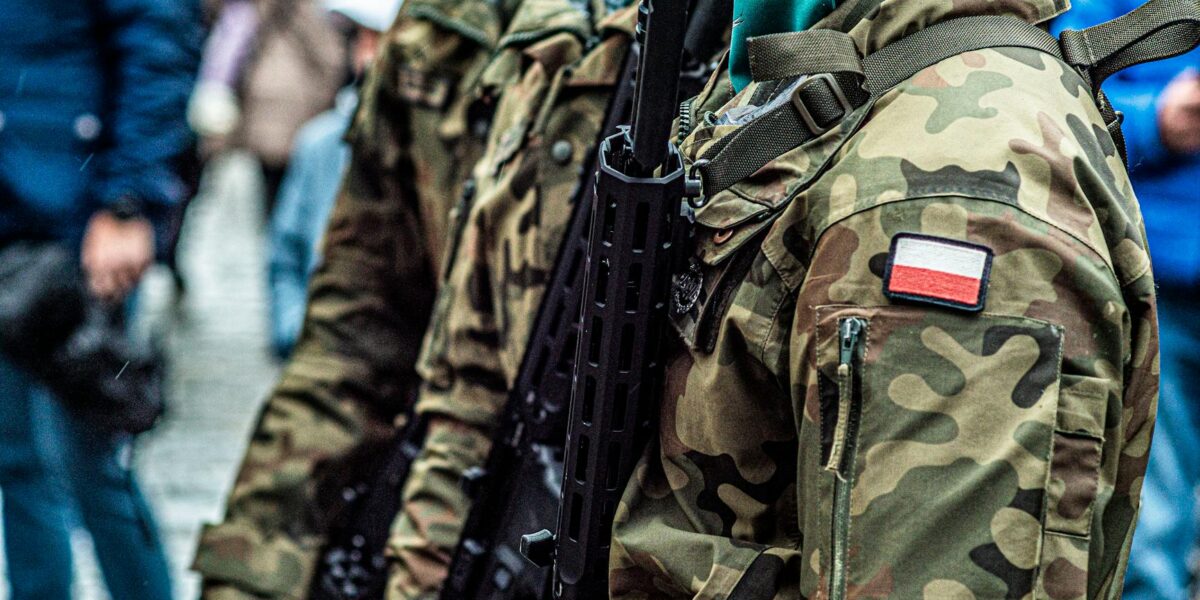
Military tensions are escalating across multiple Asian flashpoints, sending shockwaves through global markets as investors confront the possibility of armed conflict in the world's economic powerhouse. From the South China Sea to the Taiwan Strait, diplomatic failures are giving way to military posturing that threatens to disrupt supply chains responsible for over 60% of global manufacturing output.
The latest developments include increased naval deployments by multiple nations, suspended trade negotiations between major Asian economies, and emergency meetings among defense ministers across the region. Financial markets have responded with sharp selloffs in Asian equity indices, while safe-haven assets including gold and government bonds have surged as institutional investors reassess their exposure to what was once considered the world's most stable growth engine.
Indian defense officials have quietly increased surveillance along maritime trade routes, with shipping insurance rates for vessels transiting Asian waters rising 40% in the past two weeks. The rupee has strengthened against regional currencies as global investors view India as a relative safe haven within the broader Asian theater.
What Happened
The current crisis stems from a series of diplomatic breakdowns that began intensifying in early April 2026. Naval incidents in disputed waters have escalated from routine confrontations to direct military engagement, with multiple nations now maintaining heightened alert status across their armed forces. Unlike previous tensions that remained largely rhetorical, current developments involve actual deployment of military assets and suspension of key economic partnerships.
Trade flows worth approximately $800 billion annually are now at risk of disruption, according to shipping industry estimates. Major ports across the region have implemented enhanced security protocols, while several multinational corporations have activated contingency plans to relocate critical operations. The semiconductor industry, concentrated heavily in the affected region, faces particular vulnerability with chip futures prices rising 15% since tensions began escalating.
International diplomatic efforts have thus far failed to de-escalate the situation, with major powers taking increasingly rigid positions. Emergency sessions at international forums have produced no breakthrough, while military commanders on multiple sides report receiving orders to prepare for extended operations. The failure of traditional diplomatic channels has left markets pricing in scenarios previously considered remote possibilities.
Why It Matters For Professionals
Investment portfolios with significant Asian exposure face immediate recalibration as fund managers grapple with rapidly changing risk assessments. Technology stocks, heavily dependent on Asian manufacturing and assembly operations, have experienced the steepest declines as investors price in potential supply chain disruptions lasting months rather than weeks. Professional investors are now actively seeking geopolitical risk investments that can weather regional instability.
Corporate executives across industries are confronting supply chain vulnerabilities that seemed theoretical just weeks ago. Manufacturing companies with concentrated Asian operations report activating emergency protocols developed during the COVID-19 pandemic, but military conflict presents different challenges than health emergencies. The speed and coordination required to relocate complex manufacturing operations far exceeds what most contingency plans anticipated.
Financial services professionals are witnessing unprecedented volatility in currency markets as capital flows shift dramatically away from affected regions. Traditional hedging strategies designed for normal market conditions are proving inadequate for the current environment, forcing treasury departments to implement emergency risk management protocols. The interconnected nature of global finance means that even institutions with minimal direct Asian exposure are experiencing indirect effects through counterparty relationships and derivative positions.
What This Means For You
Portfolio diversification strategies require immediate review, particularly for professionals with significant exposure to Asian equity markets or emerging market funds. Traditional geographic diversification may prove insufficient if conflict disrupts global trade flows more broadly. Consider increasing allocations to defensive sectors and regions less dependent on Asian supply chains, while maintaining sufficient liquidity to capitalize on potential opportunities as situations develop.
Professional services firms should prepare for increased client demand related to supply chain restructuring and risk assessment. Legal, consulting, and financial advisory services will likely see sustained demand as companies implement contingency plans developed under crisis conditions. This represents both immediate challenges and medium-term business opportunities for professionals positioned to assist with complex restructuring requirements.
What Happens Next
Military analysts suggest the current escalation has moved beyond typical posturing phases, indicating a higher probability of sustained conflict than markets initially priced. The next 30 days will likely determine whether diplomatic solutions remain viable or whether the region enters a prolonged period of military tension with corresponding economic disruption.
Supply chain disruptions will manifest differently across industries, with technology and automotive sectors facing the most immediate impacts. Companies are already implementing rationing protocols for critical components, suggesting shortages will affect consumer markets within 60 to 90 days. Professional investors should monitor inventory levels and supplier relationships as leading indicators of which sectors will face the most severe disruptions.
3 Frequently Asked Questions
Should investors completely exit Asian markets during this crisis?
Complete exit strategies may prove counterproductive given the region's fundamental economic strength and the difficulty of timing re-entry. Instead, focus on reducing exposure to the most vulnerable sectors while maintaining positions in companies with diversified operations and strong balance sheets capable of weathering temporary disruptions.
How long might supply chain disruptions last if military conflict occurs?
Historical analysis suggests that even brief military conflicts in critical manufacturing regions can create supply chain effects lasting 12 to 18 months. However, the concentrated nature of current global supply chains means disruptions could be more severe but potentially shorter-lived as companies rapidly implement alternative sourcing strategies.
What sectors offer the best protection against Asian geopolitical risks?
Defensive sectors including utilities, healthcare, and consumer staples with primarily domestic supply chains offer relative protection. Additionally, companies in regions positioning themselves as alternative manufacturing hubs may benefit from supply chain diversification efforts, though this trend will take years to fully develop.
The market is wrong about this. Here is why. Everyone is treating this as a temporary diplomatic crisis that will resolve through traditional negotiations. But military deployments of this scale do not happen without long-term strategic planning. This represents a fundamental shift in how global powers view territorial and economic competition in Asia.
If you have concentrated Asian equity exposure right now, reduce it immediately. Not because Asian economies are fundamentally weak, but because uncertainty premiums will remain elevated for months regardless of how tensions resolve. Move those funds into defensive positions or sectors that benefit from supply chain diversification. Finally, start researching geopolitical risk investments specifically designed for this environment. Traditional portfolio theory assumes conflicts remain localized, but integrated global supply chains mean regional tensions create worldwide effects. Position accordingly.
