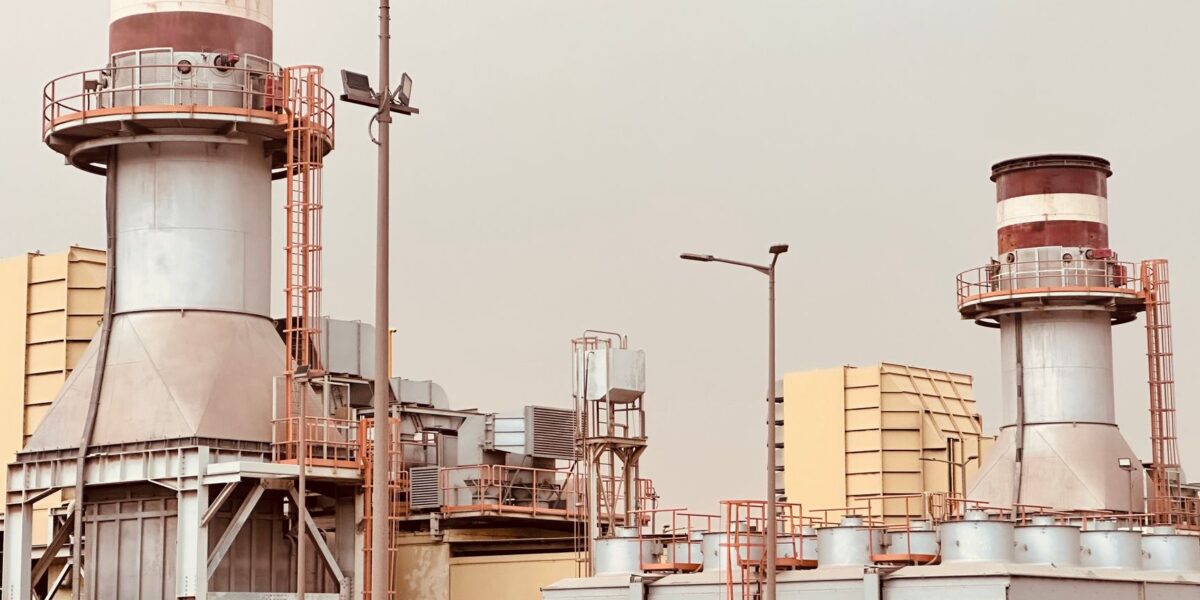
The United States Central Command confirmed early Thursday a new wave of military strikes against Iran, marking the 12th consecutive day of sustained aerial attacks. Iranian state media reported that Bushehr Province—home to Iran's only operational nuclear power plant—had been struck in what officials characterized as a "direct missile impact." The escalation follows fresh threats from the Trump administration regarding civilian infrastructure, signaling a marked shift in targeting doctrine that has alarmed energy markets and geopolitical analysts worldwide.
The strikes represent a significant intensification of tensions that began last week, with U.S. forces executing what military officials describe as a coordinated campaign against Iranian military and energy infrastructure. Bushehr Province sits on the Persian Gulf coast and houses the Bushehr Nuclear Power Plant, a 1000-megawatt reactor that has supplied approximately 2% of Iran's total electricity generation. Iranian authorities have not yet confirmed casualty figures or the extent of damage to civilian infrastructure in the province, though state media described the strike as "unprecedented in scale."
The conflict carries direct implications for India's energy security and inflation trajectory. As a nation importing over 80% of its crude oil requirements, India remains deeply exposed to Gulf region volatility. Iranian crude supplies roughly 3-4% of India's total petroleum imports, a figure that fluctuates based on sanctions regimes and geopolitical conditions. Any sustained disruption to Strait of Hormuz shipping lanes—through which roughly 20% of global seaborne oil passes—could trigger immediate upward pressure on domestic fuel prices and complicate India's inflation management efforts heading into the second half of 2026.
What Happened
The current military campaign began with initial strikes targeting Iranian ballistic missile production facilities and Revolutionary Guard Corps (IRGC) installations across central and southern Iran. U.S. Central Command characterized the first wave as a "proportional response" to Iranian missile attacks on American positions in the region. However, the campaign has progressively broadened in scope, with intelligence officials confirming strikes on power generation facilities, fuel storage depots, and telecommunications infrastructure in recent days.
Early Thursday's strike on Bushehr Province represents the most direct targeting of civilian nuclear infrastructure in the current escalation cycle. While the International Atomic Energy Agency (IAEA) maintains formal neutrality on military operations, agency officials have expressed concern regarding potential environmental and radiological impacts of strikes near nuclear facilities. Iranian officials countered that the nuclear plant itself was not directly hit, though the province sustained significant damage. U.S. officials have not explicitly confirmed targeting the nuclear facility but have indicated that military command centers and air defense systems in the region were primary objectives.
The Trump administration's new rhetoric regarding civilian targets signals a deliberate departure from previous constraints on targeting doctrine. White House officials stated that "all infrastructure supporting Iranian military capabilities" remains within scope for potential strikes, language that some military analysts interpret as potential clearance for broader civilian economic targeting. This rhetorical shift has triggered immediate backlash from European allies and United Nations officials, who have warned against violations of international humanitarian law protocols governing armed conflict.
Why It Matters For Professionals
The Iran conflict energy markets dynamic has become the primary wildcard for crude oil pricing in the second half of 2026. Brent crude jumped 4.7% to $89.20 per barrel in early Asian trading Thursday, with intraday volatility exceeding 200 basis points as traders priced in escalation risk. West Texas Intermediate crude similarly spiked 4.3% to $85.65. These moves reflect genuine supply-side concerns: Iran currently produces roughly 3.8 million barrels per day under current sanctions constraints, and any meaningful disruption could remove 4-5% of global daily supply from markets.
For equity investors with exposure to energy-intensive sectors—particularly aviation, shipping, and chemicals—the calculus has shifted materially. Indian airlines already operate under razor-thin margins with fuel costs representing 35-40% of operating expenses. Any sustained crude spike above $90 per barrel begins to pressure quarterly earnings for carriers like IndiGo and Air India, potentially requiring fare increases that could dampen demand growth. Similarly, Indian petrochemical manufacturers and refiners face margin compression if crude stays elevated while finished product demand remains soft. Portfolio managers with India-heavy equity allocations should model scenarios where Brent averages $92-95 per barrel through Q3 2026.
Fixed income investors should monitor the Reserve Bank of India's policy communications closely. The central bank has maintained a neutral stance through mid-2026, but sustained crude elevation above $90 could force inflation expectations upward, potentially accelerating any hawkish rate adjustment timeline. Indian government securities yields have already tightened 15-20 basis points this week on crude-related inflation concerns. Those holding duration exposure should consider tactical de-risking, particularly in the 5-10 year maturity bucket where rate sensitivity is most acute.
Corporate treasury professionals managing Iran and Gulf region exposures face immediate compliance questions. U.S. sanctions regimes have already expanded significantly, and each wave of strikes typically triggers secondary sanctions pressure on companies maintaining financial or trade relationships in the region. Insurance and shipping companies will likely price in higher Iran exposure costs, particularly for any business touching Iranian oil, petrochemicals, or re-export trade. Companies with existing Iran-adjacent supply chains should review counterparty exposure immediately and begin contingency planning for alternative sourcing.
What This Means For You
If you hold equity positions in Indian energy, aviation, or chemical stocks, the current situation demands active portfolio review. The Iran conflict energy markets tension creates genuine downside scenarios where large-cap oil explorers like ONGC could underperform despite crude strength (due to government price controls), while refiners like Reliance may see margin compression offset any crude inventory gains. Aviation stocks face the most direct negative risk. Consider rebalancing exposure toward defensive consumption plays and technology stocks, which carry lower energy cost pass-through.
For those with debt holdings or planning fixed-income allocations, the calculus has changed. If geopolitical escalation forces the RBI into rate-hiking mode by September, government security yields could tighten another 30-50 basis points before stabilizing. Investors planning to deploy capital into bonds should consider laddering maturities or waiting for clearer signals on the Iran situation before committing significant capital to longer-duration instruments. Short-term treasury positions (3-6 month tenors) offer better optionality if you believe this situation remains unresolved through August.
Professionals working in sectors exposed to fuel costs—logistics companies, courier services, FMCG distribution networks—should stress-test P&L assumptions with crude at $95-100 per barrel scenarios. This isn't worst-case catastrophizing; it's prudent scenario analysis given that Strait of Hormuz disruption risk has moved from "tail event" to "meaningful probability" status. Those with variable cost structures should lock in fuel surcharge agreements with customers now, before broader market-wide repricing makes renegotiation difficult.
What Happens Next
The immediate question facing markets is whether the U.S. campaign will expand further or stabilize at current intensity. Intelligence analysts note that Iran's air defenses have been progressively degraded over the 12-day campaign, theoretically making additional strikes less costly from a U.S. military perspective. However, domestic political considerations in the U.S., European pressure, and Chinese warnings about regional stability may constrain escalation. The Trump administration has not articulated an explicit end-state for the campaign, creating uncertainty regarding duration and final scope.
Iran's retaliatory options appear increasingly constrained by the current attrition of air defense capabilities, but asymmetric responses remain probable. Historical precedent suggests that Iranian proxy forces (Houthi militants, non-state actors in Iraq and Syria) could attempt disruptive actions against shipping or infrastructure in the Strait of Hormuz or Red Sea region. Any successful shipping interdiction could trigger a sharp spike above $100 per barrel and force immediate policy responses from major consuming nations including India, China, and Japan. Market participants should maintain heightened alert for any disruption reports from the strategic chokepoint over the next 7-10 days.
By early August, clearer signals should emerge regarding whether this campaign represents a definitive U.S. escalation or a bounded response aimed at degrading Iranian capability without regime change objectives. European mediation efforts are currently underway, but chances of meaningful diplomatic breakthrough appear low given current rhetorical positioning. Plan for the Iran conflict energy markets dynamics to remain elevated through at least mid-August 2026, with crude price expectations anchored in the $88-98 per barrel range until clearer resolution signals emerge.
3 Frequently Asked Questions
Could the Strait of Hormuz actually be blocked, and what would that mean for crude prices?
A: A full blockade remains unlikely given international naval presence, but partial disruptions are credible scenarios. Even a 2-3 day shipping delay affecting 2-3% of daily global crude throughput could spike Brent to $105-110 per barrel temporarily. A sustained blockade scenario (low probability but non-zero) could push crude to $120+ within days. For India, even temporary disruption would translate to immediate petrol price increases of ₹3-5 per liter and broader inflation pressure.
Why hasn't India issued any official statement on the Iran situation?
A: India's diplomatic posture emphasizes non-alignment and maintaining relationships across multiple power centers. The government has expressed "concern" about civilian casualties while carefully avoiding direct criticism of U.S. actions, reflecting the strategic balance between U.S. partnership (particularly on defense and technology) and energy security dependence on Gulf suppliers. Official statements are likely to remain calibrated and generic until either a ceasefire emerges or direct Indian interests face imminent threat.
If crude prices stay above $90 per barrel, could the RBI raise rates in 2026?
A: Yes, this is the critical risk scenario for fixed-income investors. The RBI's inflation tolerance band is 4% ± 2%, and sustained crude elevation could push headline inflation toward 5.5-6% by August-September 2026 depending on rupee depreciation and domestic cost pressures. While the RBI has flexibility due to core inflation remaining moderate, energy-driven headline inflation could force rate action even if the central bank prefers to hold. Current market pricing suggests a 40-45% probability of a 25 basis point hike by October if crude remains elevated. This scenario warrants active portfolio management for debt investors now.
Why is no one talking about the fact that this isn’t actually about deterrence anymore—it’s about signaling capability for future escalation? The Trump administration has demonstrated it can conduct 12 consecutive days of strikes deep into Iranian territory with limited international pushback. That’s not a message to Iran; that’s a demonstration to China and Russia about U.S. regional power projection. The crude price spike is real and problematic, but the geopolitical subtext is actually more consequential.
Here’s what professionals should actually do: First, if you hold energy stocks or aviation exposure, don’t wait for “clarity”—reduce position size by 25-30% now. Clarity in this situation will arrive via disruption, not messaging, and crude at $95+ changes equity fundamentals materially. Second, audit your corporate supply chain for Iran exposure or Iran-adjacent vendors immediately; secondary sanctions follow primary sanctions within weeks, and compliance violations carry real criminal consequences. Third, talk to your debt portfolio manager about rotating duration shorter if you haven’t already, because the RBI’s next move isn’t backward, and this geopolitical premium to crude changes inflation expectations in ways central banks can’t ignore. The market is pricing this with too much optimism.
