Vice President JD Vance is preparing to lead critical diplomatic negotiations in Islamabad as the United States and Iran approach the expiration of their temporary cease-fire agreement. U.S. officials confirmed Vance's expected return to Pakistan's capital, marking a high-stakes diplomatic push to prevent the resumption of hostilities between the two nations.
The timing of these talks carries significant weight as the current U.S.-Iran cease-fire arrangement nears its end, with no clear indication from Tehran whether Iranian negotiators will participate in the discussions. Pakistan's role as an intermediary reflects the complex regional dynamics at play, with Islamabad maintaining diplomatic ties with both Washington and Tehran while navigating its own strategic interests in the volatile Middle Eastern landscape.
India's position remains particularly delicate given its substantial energy imports from the region and its growing strategic partnership with the United States, even as it maintains economic ties with Iran through limited channels permitted under international sanctions frameworks.
What Happened
The diplomatic mission represents the Biden administration's continued efforts to manage tensions with Iran through multilateral engagement, utilizing Pakistan as a neutral venue for discussions. Sources within the U.S. State Department indicated that the cease-fire, implemented following escalating tensions in recent months, was always intended as a temporary measure to create space for broader negotiations.
Iran's silence regarding its participation in the Islamabad talks reflects the internal political calculations within Tehran's power structure. The Islamic Republic has historically used such diplomatic uncertainty as a negotiating tactic, keeping counterparts guessing about its intentions until the final moment. Iranian officials have not publicly commented on their negotiating team's composition or mandate for the Pakistan-hosted discussions.
The choice of Islamabad as the venue underscores Pakistan's unique position in regional geopolitics. Despite its complex relationship with Washington, Pakistan maintains functional diplomatic channels with Iran and has previously served as an intermediary in regional conflicts. Prime Minister's office sources in Islamabad confirmed that Pakistan would provide full diplomatic support for the talks, though they emphasized their role as facilitators rather than active participants in the negotiations.
Why It Matters For Professionals
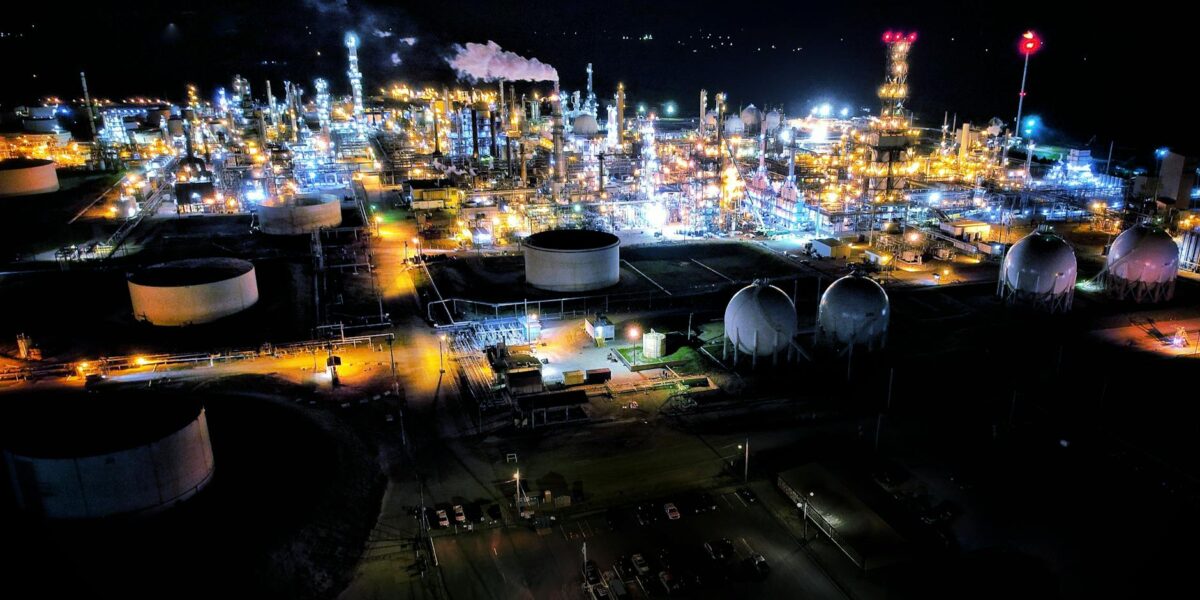
The outcome of these negotiations carries profound implications for global energy markets, with the Iran conflict energy markets showing increased volatility as traders position themselves for potential supply disruptions. Iran controls approximately 10 percent of global oil reserves and sits astride the Strait of Hormuz, through which roughly 20 percent of the world's petroleum liquids transit daily. Any escalation in U.S.-Iran tensions could trigger immediate supply chain disruptions affecting everything from petrochemicals to transportation costs.
Financial markets are closely monitoring these developments, particularly given Iran's recent threats to restrict oil shipments in response to tightened sanctions. Energy sector analysts note that even the perception of reduced Iranian cooperation could drive crude oil prices higher, impacting inflation calculations across developed economies. Companies with significant exposure to Middle Eastern operations or energy-intensive manufacturing processes should prepare contingency plans for potential supply disruptions.
The technology sector faces particular challenges, as renewed tensions could complicate supply chains for semiconductors and rare earth elements that transit through regional shipping lanes. Defense contractors and cybersecurity firms, conversely, may see increased demand for their services as both government and private sector clients reassess their risk profiles in light of potential Iranian retaliation capabilities.
What This Means For You
Investors should monitor energy stock positions and consider the potential for increased volatility in commodity-linked investments. The uncertainty surrounding Iranian cooperation in global markets creates both risks and opportunities, depending on portfolio composition and risk tolerance. Those holding positions in airlines, logistics companies, or other transportation-heavy sectors should pay particular attention to fuel cost projections.
Professionals working in international business development or supply chain management should review alternative sourcing strategies and shipping routes. The potential for disrupted Middle Eastern transit routes necessitates contingency planning, particularly for companies dependent on just-in-time inventory management systems or those with significant exposure to regional suppliers.
What Happens Next
The immediate timeline focuses on Iran's decision regarding participation in the Islamabad talks, expected within the next 48 to 72 hours. U.S. officials have indicated that Vance's mission includes multiple scenarios, from full bilateral negotiations to more limited discussions with Pakistani intermediaries if Iranian representatives fail to appear.
Should the talks proceed, key agenda items likely include the scope of sanctions relief, Iran's nuclear program compliance measures, and regional security arrangements. The current cease-fire expires within days, creating additional pressure for rapid progress or at minimum, an extension of the existing arrangement. Market participants should prepare for increased volatility as these deadlines approach, with particular attention to energy futures and regional equity markets.
3 Frequently Asked Questions
Why is Pakistan hosting these talks instead of a traditional neutral venue like Switzerland?
Pakistan maintains diplomatic relations with both the United States and Iran, making it uniquely positioned to facilitate discussions. Additionally, Pakistan's geographic proximity to Iran and its experience in regional conflict mediation provide practical advantages for conducting sensitive negotiations.
How might oil prices be affected if the cease-fire expires without a new agreement?
Historical precedent suggests that renewed U.S.-Iran tensions could drive crude oil prices up by 10-15 percent in the short term, particularly if Iran threatens or implements restrictions on Strait of Hormuz shipping traffic. The actual impact would depend on the severity of any escalation and the response from other oil-producing nations.
What role might China and Russia play in these negotiations?
While not directly participating in the Islamabad talks, both China and Russia maintain significant economic relationships with Iran and could influence Tehran's negotiating position. China's substantial Iranian oil purchases and Russia's defense cooperation with Iran give both nations considerable leverage in encouraging or discouraging Iranian participation.
This is not just a diplomatic story. This is an energy security story with immediate portfolio implications. Watch Brent crude futures over the next 72 hours and consider reducing exposure to airlines and shipping companies if you are holding significant positions. The market is underestimating the potential for supply chain disruption if these talks collapse. Move defensively on energy-intensive sectors and consider adding positions in domestic energy producers who benefit from higher global prices. Iranian negotiating tactics historically involve brinksmanship, so prepare for volatility regardless of the ultimate outcome.
