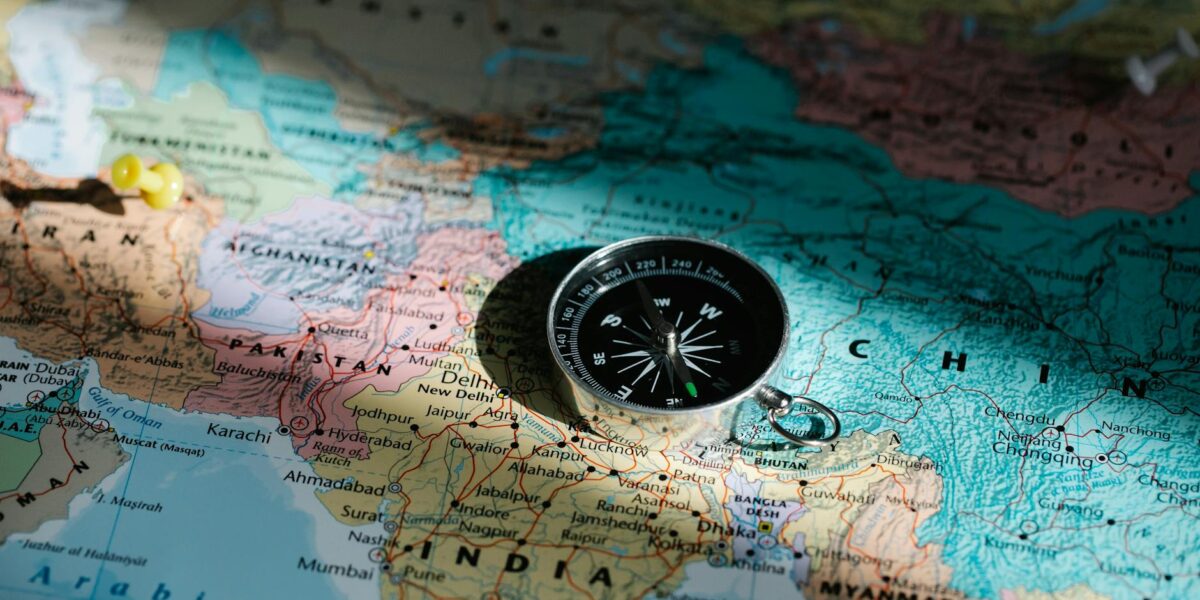
- Pakistan receives 80% of Indus river system waters under the 1960 treaty despite contributing minimal water sources
- India controls upper riparian position but accepted disproportionate water allocation in the treaty framework
- Rising cross-border tensions and infrastructure disputes threaten the treaty's long-term viability
- Any treaty breakdown could destabilize agriculture and energy sectors across both nuclear-armed nations
The 1960 Indus Water Treaty gave Pakistan 80% of the river system's waters despite India controlling most source regions. This asymmetric arrangement, created during British mediation, faces growing strain as both nations develop competing infrastructure projects. Treaty breakdown risks massive agricultural and energy disruption across South Asia.
The Indus Water Treaty stands as one of the world's most lopsided international water agreements, allocating four-fifths of the river system's flow to Pakistan while leaving India with limited access despite controlling the upper catchment areas. Signed in 1960 with World Bank mediation, the treaty has survived four wars between the nuclear-armed neighbors but now faces unprecedented strain from infrastructure disputes and deteriorating bilateral relations.
Under the treaty's terms, Pakistan gained exclusive rights to the Indus, Jhelum, and Chenab rivers, while India received the Ravi, Beas, and Sutlej. This division granted Pakistan approximately 135 million acre-feet of water annually compared to India's 33 million acre-feet, despite the rivers originating primarily in Indian-controlled territory including Kashmir.
India's acceptance of this asymmetric arrangement reflected post-independence political realities and international pressure for regional stability. Prime Minister Nehru's government prioritized diplomatic relations over hydrological equity, a decision that continues to shape water security dynamics across the subcontinent six decades later.
What Happened
The treaty emerged from urgent necessity following partition in 1947, when the new international border severed established irrigation networks serving both territories. Pakistan's agricultural heartland in Punjab depended entirely on waters flowing from Indian-controlled regions, creating immediate humanitarian concerns as India temporarily cut supplies to force negotiations.
World Bank President Eugene Black orchestrated decade-long negotiations resulting in the September 1960 agreement signed in Karachi. The treaty established detailed technical protocols for water sharing, infrastructure development rights, and dispute resolution mechanisms including binding arbitration for the most serious disagreements.
Recent tensions center on India's construction of hydroelectric projects on Pakistani-allocated rivers, particularly the Kishanganga and Ratle dams. Pakistan argues these projects violate treaty provisions by altering natural flow patterns and timing, while India maintains the facilities comply with run-of-river requirements that preserve downstream quantities.
The dispute resolution mechanism itself faces breakdown after Pakistan rejected a World Bank-appointed arbitration court in 2016, demanding instead that technical differences be resolved through less formal consultation procedures. This procedural deadlock has prevented resolution of substantive disagreements about permissible dam designs and operational requirements.
Why It Matters For Professionals
Water scarcity increasingly drives geopolitical tensions across emerging markets, making the Indus dispute a bellwether for resource conflicts worldwide. Investment professionals monitoring South Asian markets must factor water stress into long-term agricultural productivity models, particularly for Pakistan's cotton and wheat exports that depend heavily on Indus irrigation.
Any significant treaty modification or breakdown would trigger massive infrastructure investment requirements across both economies. Pakistan would need alternative water storage and efficiency systems costing potentially hundreds of billions of dollars, while India could redirect Indus flows toward domestic irrigation and industrial development projects.
Energy sector implications extend beyond immediate hydroelectric capacity to broader grid stability concerns. Pakistan's power generation mix includes substantial hydroelectric components dependent on predictable river flows, while India's renewable energy expansion plans incorporate significant hydroelectric capacity in disputed regions.
Agricultural commodity markets would face severe disruption from treaty collapse, as Pakistan's food security depends almost entirely on Indus-fed irrigation systems supporting over 100 million people. Global cotton, rice, and wheat prices could experience sustained volatility from production shortfalls in one of the world's major agricultural exporters.
What This Means For You
Investors in South Asian equity markets should monitor water-related infrastructure stocks and agricultural commodity exposure as treaty tensions escalate. Pakistani textile manufacturers, particularly cotton processors, face heightened operational risks from potential irrigation disruptions that could affect global supply chains.
Indian infrastructure and engineering companies could benefit from domestic water project acceleration if treaty constraints ease, but regional instability risks would offset much potential upside. Defense spending increases across both nations would strain fiscal resources otherwise available for productive economic development.
What Happens Next
Technical-level discussions continue through established treaty mechanisms, though political will for compromise remains limited on both sides. India has indicated willingness to consider treaty modifications that reflect changed circumstances since 1960, while Pakistan insists on strict adherence to original terms.
The next major test comes with India's completion of several disputed dam projects over the coming two years. Pakistan's response to operational commencement will signal whether the treaty framework retains sufficient flexibility to manage modern water development realities or requires fundamental restructuring.
3 Frequently Asked Questions
Why did India accept such an unequal water allocation in 1960?
India prioritized regional stability and international goodwill during early independence years. The government also expected rapid industrial development would reduce dependence on agricultural water usage, an assumption that proved overly optimistic.
Can either country legally withdraw from the treaty?
The treaty contains no explicit withdrawal provisions, making unilateral termination legally complex. However, fundamental changes in circumstances could provide grounds for renegotiation under international law principles.
How would treaty breakdown affect global markets?
Agricultural commodity prices would face immediate pressure from Pakistani production disruptions, while regional instability could trigger broader emerging market risk-off sentiment affecting capital flows across South Asia.
This is not a water story. This is a story about how political decisions from 1960 continue shaping modern economic reality across two nuclear powers.
India gave away massive strategic leverage for diplomatic goodwill that evaporated within years. Now both nations face infrastructure requirements worth hundreds of billions because neither can acknowledge the treaty needs fundamental updating for 21st century realities.
Watch three specific developments over the next 18 months. First, monitor Pakistani textile stock performance as cotton irrigation concerns intensify. Second, track Indian infrastructure spending allocations for domestic water projects as treaty constraints potentially ease. Third, observe wheat and rice futures volatility as agricultural uncertainty builds across the subcontinent. The market has not yet priced in the full implications of this six-decade-old arrangement finally reaching its breaking point.
