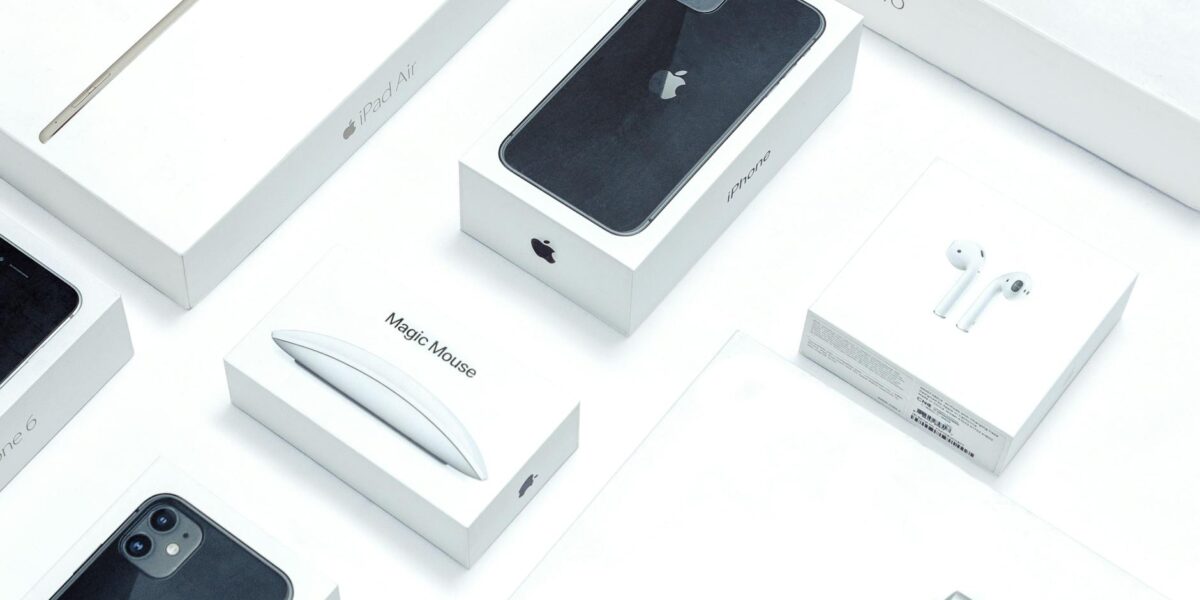
- Tim Cook transformed Apple into the world's most valuable company at $3.4 trillion market cap
- Apple's innovation pace has slowed compared to the Jobs era, with incremental product updates dominating
- The CEO succession question becomes critical as Cook approaches his 13th year leading the company
- Apple's next leader must balance Cook's operational excellence with renewed product innovation
Tim Cook has built Apple into a $3.4 trillion financial powerhouse through operational excellence and services growth, but questions mount about the company's innovation trajectory. As succession planning intensifies, Apple's next CEO faces the challenge of maintaining Cook's business success while recapturing the breakthrough innovation that defined the Steve Jobs era. The transition could reshape one of the world's most influential technology companies.
Apple stands at a crossroads that will define the next decade of global technology leadership. Tim Cook has delivered unprecedented financial success, transforming Apple from a $350 billion company when he took charge in 2011 into today's $3.4 trillion juggernaut. Yet beneath this remarkable wealth creation lies a more complex question about innovation, cultural relevance, and what made Apple special in the first place.
The succession conversation has moved from whispered boardroom discussions to industry-wide speculation. Cook, now 65, has led Apple longer than Steve Jobs ever did, but the comparison remains unavoidable. Where Jobs redefined entire product categories with the iPhone, iPad, and Apple Watch foundation, Cook's tenure has been marked by refinement, services expansion, and supply chain mastery rather than category-defining breakthroughs.
What Happened
Cook's transformation of Apple represents one of the most successful CEO tenures in corporate history, measured purely by financial metrics. The company's revenue has grown from $108 billion in fiscal 2011 to over $380 billion today. Services revenue alone now exceeds $85 billion annually, creating a recurring revenue stream that provides stability beyond hardware cycles.
The operational achievements under Cook's leadership extend far beyond top-line growth. Apple's gross margins have expanded consistently, reaching sustained levels above 45 percent. The company's cash position peaked at nearly $200 billion, enabling massive shareholder returns through dividends and buybacks totaling over $650 billion during Cook's tenure. Manufacturing capabilities expanded globally while maintaining quality standards, a feat that seemed impossible when Cook inherited the role.
However, product innovation has followed a different trajectory. The Apple Watch, launched in 2015, remains the last entirely new product category Apple successfully created. Subsequent years have brought incremental improvements to existing products rather than the revolutionary leaps that characterized the Jobs era. The much-anticipated Apple Car project was abandoned after years of development, while competitors gained ground in emerging technologies like generative artificial intelligence and virtual reality.
Why It Matters For Professionals
The leadership transition at Apple carries implications that extend well beyond Cupertino. As the world's most valuable company and a bellwether for technology trends, Apple's strategic direction influences everything from component supply chains to developer ecosystems that employ millions globally. The company's decisions on privacy, app store policies, and hardware standards ripple through the entire technology sector.
For investors, the succession question represents both risk and opportunity. Cook's steady hand delivered consistent growth and returns, but markets increasingly question whether Apple can maintain premium valuations without breakthrough innovation. The company trades at multiples that assume continued growth in saturated smartphone markets and successful expansion into new categories. A misstep in leadership transition could trigger significant valuation adjustments across technology portfolios.
The broader implications for corporate leadership are equally significant. Cook's model emphasized operational excellence, stakeholder capitalism, and measured innovation over the founder-CEO archetype that Jobs embodied. His successor's approach will signal whether large technology companies can sustain innovation at scale or whether breakthrough thinking requires different organizational structures and leadership styles.
What This Means For You
Investment portfolios heavily weighted toward Apple and technology stocks face a period of heightened uncertainty. The leadership transition, whenever it occurs, will likely create short-term volatility as markets assess the new CEO's vision and capabilities. Diversification across technology leaders and geographic regions becomes more critical as Apple's dominance faces potential challenges.
Professional services and consulting firms should prepare for shifts in Apple's vendor relationships and strategic priorities. New leadership often brings organizational changes that create opportunities for external partners while potentially disrupting existing relationships. Companies in Apple's supply chain and developer ecosystem must monitor succession developments closely.
What Happens Next
Apple's board faces the challenge of identifying and grooming Cook's successor while maintaining business continuity. Internal candidates likely include services chief Eddy Cue, hardware engineering head John Ternus, and operations leader Sabih Khan. External recruitment remains possible but would represent a significant departure from Apple's insular culture.
The timeline for transition remains unclear, with Cook providing few public signals about his departure plans. Industry observers expect the process to accelerate over the next 18 months, particularly if Apple's innovation pipeline shows signs of breakthrough products that could define a new CEO's tenure. The company's approach to emerging technologies like generative artificial intelligence and spatial computing will likely influence both timing and candidate selection.
3 Frequently Asked Questions
Who are the leading candidates to replace Tim Cook as Apple CEO?
Internal candidates include services chief Eddy Cue, hardware engineering head John Ternus, and operations leader Sabih Khan. The board could also consider external candidates, though this would break from Apple's traditional preference for internal succession.
How might a new CEO change Apple's strategy and product direction?
A new leader would likely maintain Apple's premium positioning and ecosystem approach while potentially accelerating innovation in emerging categories like artificial intelligence, augmented reality, and health technology where Cook's Apple has been more cautious.
What does Cook's succession mean for Apple's stock price and investor returns?
Leadership transitions typically create short-term volatility as markets assess new strategic direction. Long-term impact depends on the successor's ability to drive growth in new product categories while maintaining Apple's premium brand positioning and profit margins.
This is not a succession story. This is a strategy story about whether operational excellence can sustain innovation leadership in technology.
Cook proved that Apple could become a financial powerhouse through disciplined execution and services expansion. But the next phase requires something different. Apple needs breakthrough products that create new markets, not just incremental improvements to existing ones. The smartphone revolution is over. The next CEO must find Apple’s next act.
If you hold Apple stock, watch three things: artificial intelligence integration speed, new product category development, and talent retention during transition. The market will forgive temporary uncertainty if innovation pipeline shows real promise. But another decade of incremental updates will challenge premium valuations regardless of operational excellence.
